
You pull on the jeans that fit fine last spring, and suddenly there’s a new fold of softness sitting just below your belly button. Sound familiar? You’re not imagining it, and you’re definitely not alone. Somewhere between the hot flashes and the sleepless nights, many women notice their midsection changing shape in a way that feels entirely new, and frankly, a little bewildering.
This shift has a name: the menopause belly apron. It’s a common part of the midlife transition, driven largely by hormonal shifts, slowing metabolism, and natural changes in body composition.
The good news? While you can’t turn back the clock on hormones, you can work with your body rather than against it. This article breaks down exactly why the apron belly forms and walks through natural, sustainable ways to support your body through this transition. No extreme diets or fads required.
What is a Menopause Belly Apron?
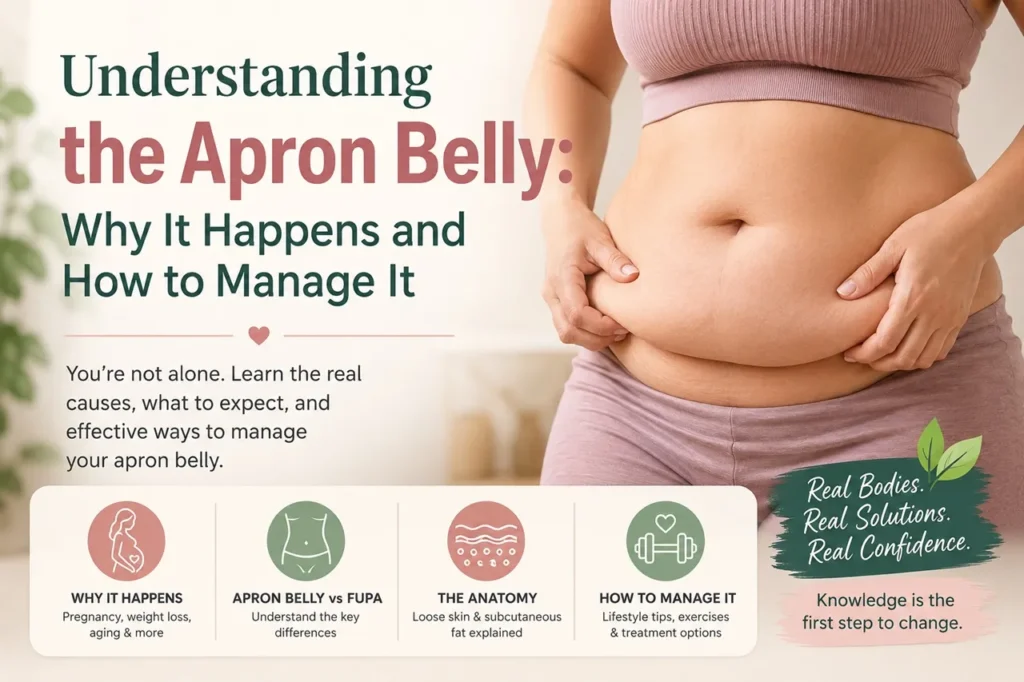
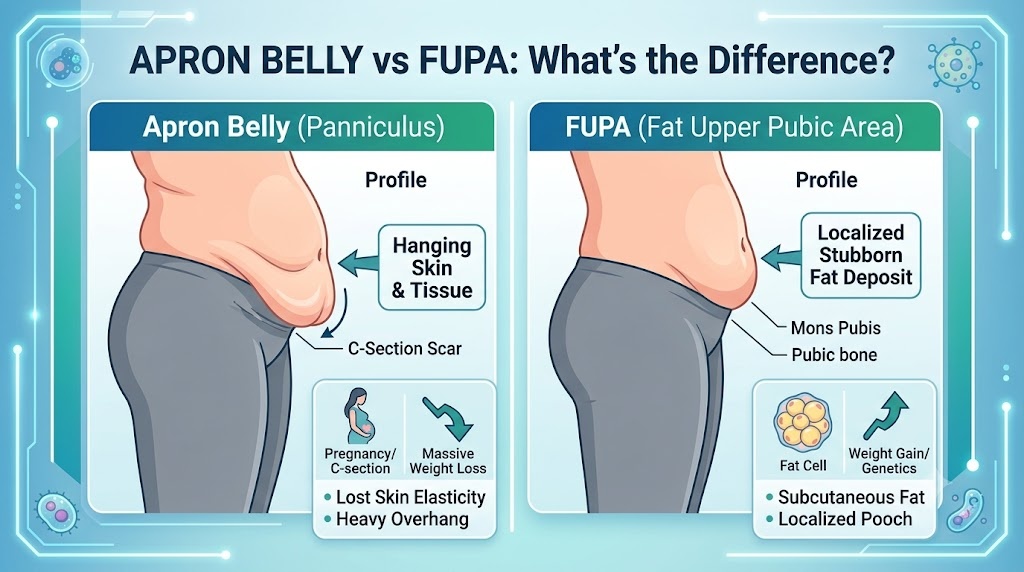
The term small belly apron (sometimes called a “pannus” in clinical settings) describes a fold of skin and fat that hangs over the lower abdomen, somewhat like an apron draped around the waist. It’s not a medical diagnosis so much as a descriptive term, and it’s far more common than most women realize.
Two things are usually happening beneath the surface. First, there’s a change in subcutaneous fat, the soft, pinchable layer sitting just under the skin. Second, there’s often an increase in visceral fat, the deeper fat that wraps around internal organs. Menopause tends to nudge fat storage away from the hips and thighs and toward the belly, which changes overall body composition even if the number on the scale barely moves.
Add in a natural decline in skin elasticity as collagen production slows with age, and you get the apron look: softer tissue, less bounce-back, and a fold that wasn’t there a decade ago.
It’s worth saying plainly: this is a normal biological process, not a personal failing. Many women experience it, and understanding why it happens is the first step toward managing it with compassion rather than frustration.
The Science Behind the Shift: Why It Happens
Hormonal Fluctuations (Estrogen & Metabolism)
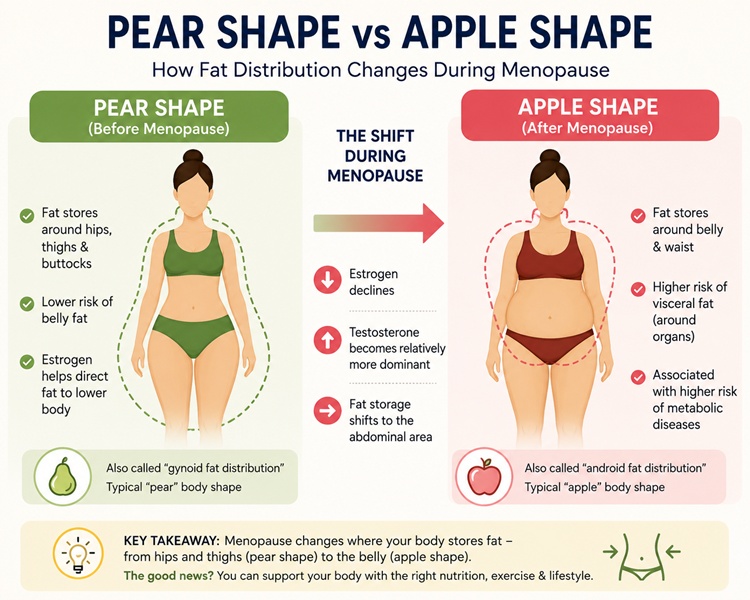
Estrogen does more than regulate your cycle. It also plays a quiet but powerful role in where your body chooses to store fat. Before menopause, higher estrogen levels tend to favor fat storage around the hips and thighs, the classic pear shape. As estrogen declines, that pattern shifts, and testosterone becomes relatively more influential in the body’s chemistry, nudging fat storage toward the midsection and gradually shifting the body from a pear shape toward more of an apple shape.
This isn’t a minor cosmetic footnote, either. Mayo Clinic-affiliated research has found that declining estrogen levels activate certain proteins that drive fat cells to store more fat while simultaneously slowing the body’s ability to burn it off. In other words, the same habits that once kept your waistline steady may no longer produce the same results, and that’s biology, not a lack of willpower.
Loss of Muscle Mass (Sarcopenia)
Alongside hormonal shifts, most women experience a gradual, age-related decline in muscle mass known as sarcopenia. Muscle tissue is metabolically active: it burns more calories at rest than fat tissue does. So as muscle mass drops, your resting metabolic rate slows right along with it.
Loss of muscle mass slows down how quickly the body burns calories, which can make maintaining a healthy weight harder, particularly if activity levels haven’t changed. It’s a quiet, compounding effect: less muscle, slower metabolism, more stored fat, especially around the abdomen.
Layer on top of this the everyday realities of midlife: elevated cortisol from chronic stress, disrupted sleep from night sweats, and the insulin resistance that tends to creep in with age. Put it all together, and it becomes clear why the apron belly isn’t about one single cause. It’s a convergence of several systems shifting at once: the endocrine, metabolic, and nervous systems, all recalibrating together.
Is It Mostly Fat, Loose Skin, or Both?
Before choosing where to focus your effort, it helps to work out what’s actually driving your particular apron. Fat-dominant folds tend to feel soft, warm and fairly uniform, and they respond noticeably to a sustained calorie deficit combined with resistance training that rebuilds abdominal muscle tone. Skin-dominant folds feel thinner, cooler, and more like a drape of loose tissue; they’re far less responsive to diet and exercise alone, because the fat underneath has often already reduced while the skin itself hasn’t retracted.
Most women are dealing with some combination of both, which is exactly why a single approach, whether that’s diet alone or exercise alone, tends to disappoint. Matching your effort to the actual cause, rather than assuming it’s “just fat,” saves months of frustration.
Natural Solutions to Manage Your Midsection
Here’s the encouraging part: while you can’t reverse menopause, you absolutely can influence how your body responds to it. The goal isn’t to chase your 30-year-old body. It’s to support the body you have now.
Nutrition Strategies for Hormonal Balance
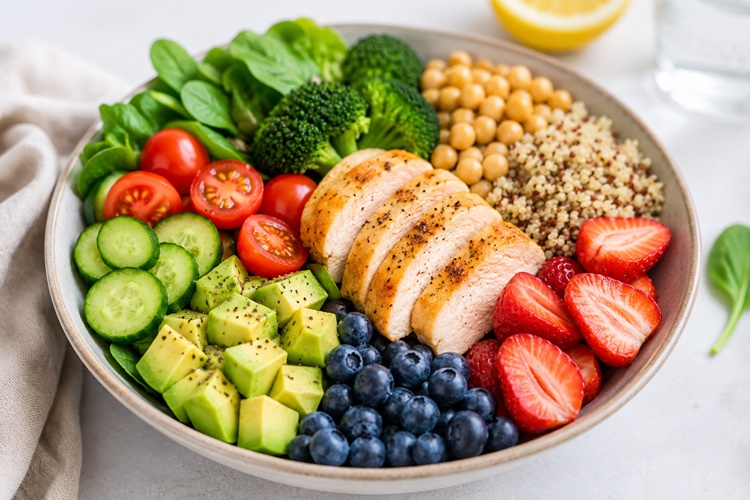
Food becomes a more powerful lever after menopause, partly because your metabolic cushion for mistakes has shrunk. A few evidence-backed shifts tend to make the biggest difference:
- Prioritize protein at every meal. Lean protein (think fish, eggs, poultry, legumes, and Greek yogurt) helps preserve muscle mass and keeps you fuller for longer, which matters even more once metabolism slows.
- Lean into anti-inflammatory foods. Colorful vegetables, berries, fatty fish, olive oil, and nuts help counter the low-grade inflammation that tends to rise with age and stress.
- Watch refined carbs and added sugar. These spike blood sugar and insulin levels, which can encourage fat storage, particularly around the abdomen.
- Don’t fear healthy fats. Avocados, olive oil, and fatty fish support hormone production; remember, hormones are literally built from fat.
Small, consistent changes to your blood sugar regulation habits tend to outperform any short-term “detox” or crash diet.
The Role of Strength Training
If you only have energy for one type of exercise, make it strength training. Cardio burns calories in the moment, but resistance training builds the muscle that keeps your metabolism elevated around the clock, a much better long-term investment during a life stage when muscle loss is already working against you.

- Aim for 2 to 3 resistance sessions per week, targeting all major muscle groups.
- Bodyweight exercises, resistance bands, or free weights all count. Consistency matters more than intensity.
- Pair strength training with core-focused work (planks, dead bugs, bird dogs) to support posture and abdominal muscle tone, which can help with the “apron” appearance even before major fat loss occurs.
- Keep some cardio in the mix for heart health, but don’t let it crowd out resistance work.
Pro-Tip: If you’re new to strength training, two sessions a week is enough to start seeing benefits within 8 to 12 weeks. You don’t need a gym membership; a set of resistance bands at home works just fine.
Stress Management & Cortisol Control
Chronic stress keeps cortisol elevated, and cortisol has a well-documented tendency to promote fat storage, particularly in the abdominal area. Add in the sleep disruption so many women experience during menopause, and you’ve got a cycle that can feel hard to break.
- Prioritize sleep hygiene. A consistent bedtime, a cool room, and limiting screens before bed can meaningfully improve sleep quality.
- Build in daily decompression. Even 10 minutes of mindfulness, gentle walking, or deep breathing can measurably lower cortisol over time.
- Watch alcohol and caffeine, both of which can interfere with sleep and amplify stress hormones.
Managing stress isn’t a luxury here. It’s a direct, physiological lever on abdominal fat storage.
Tips for Improving Skin Elasticity
Alongside fat redistribution, softer, less elastic skin contributes to the apron look. Supporting skin health won’t undo the changes overnight, but it does help.
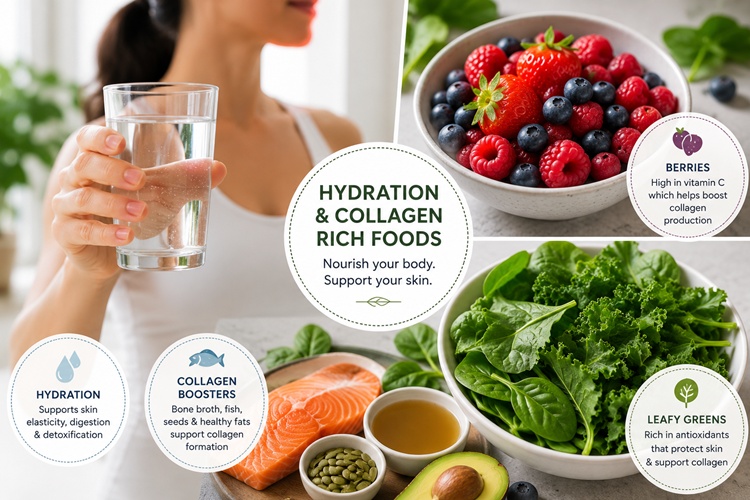
- Stay well hydrated. Skin cells, like everything else, need water to maintain plumpness and elasticity.
- Eat collagen-supporting foods, such as bone broth, citrus fruits (vitamin C is essential for collagen synthesis), and leafy greens.
- Consider a topical routine with retinoids or peptides, which have some evidence for supporting collagen production over time.
- Protect your skin from sun exposure, since UV damage accelerates collagen breakdown.
These steps support skin quality and overall skin health, working alongside, not instead of, the nutrition and exercise strategies above.
When to Consult a Professional
Most menopause-related belly changes are gradual and expected. But certain signs deserve a conversation with your healthcare provider rather than a wait-and-see approach:
- Sudden or rapid weight gain that doesn’t match your usual pattern
- Abdominal swelling accompanied by pain, bloating that doesn’t resolve, or changes in bowel habits
- Weight gain paired with fatigue, hair changes, or other symptoms that feel out of the ordinary.
A healthcare provider can help rule out underlying health conditions, such as thyroid changes, and may discuss options like hormone therapy if appropriate for your situation. There’s no need to navigate this alone, and getting medical advice early is always a reasonable choice.
Conclusion
The menopause belly apron isn’t a sign that something’s gone wrong. It’s a natural, well-documented response to the hormonal and metabolic shifts of midlife. Nutrition, strength training, stress management, and a little patience with your skin go a long way, but this is a gradual process. Consistency, not perfection, is what moves the needle over months, not days.
Have you tried any of these natural methods? Share your experience in the comments below, and if you found this helpful, subscribe for more midlife health tips, or explore our other articles on hormonal health and nutrition.
Frequently Asked Questions (FAQs)
A menopause belly apron forms from a combination of declining estrogen, natural muscle loss (sarcopenia), and reduced skin elasticity. As estrogen drops, fat storage shifts from the hips and thighs toward the abdomen, while slower metabolism and looser skin contribute to the “apron” appearance.
Yes, natural strategies like strength training, a protein-rich anti-inflammatory diet, stress management, and better sleep can meaningfully reduce abdominal fat and improve skin tone over time. Results are gradual, so consistency matters more than any single quick fix.
Not entirely. Menopause belly fat includes both subcutaneous fat (the soft, pinchable layer under the skin) and visceral fat (deeper fat around the organs). Visceral fat carries more health risk, which is why lifestyle changes during menopause matter for more than just appearance.
Hormone therapy may help redistribute fat away from the abdomen and improve sleep for some women, but it isn’t specifically prescribed for weight loss. It’s best discussed with a healthcare provider based on individual symptoms and health history.
See a doctor if weight gain is sudden or rapid, accompanied by abdominal pain or swelling, or paired with other symptoms like fatigue or hair changes. These could signal an underlying condition, such as a thyroid issue, that’s separate from typical menopausal changes.
This article is for informational purposes only and does not constitute medical advice.