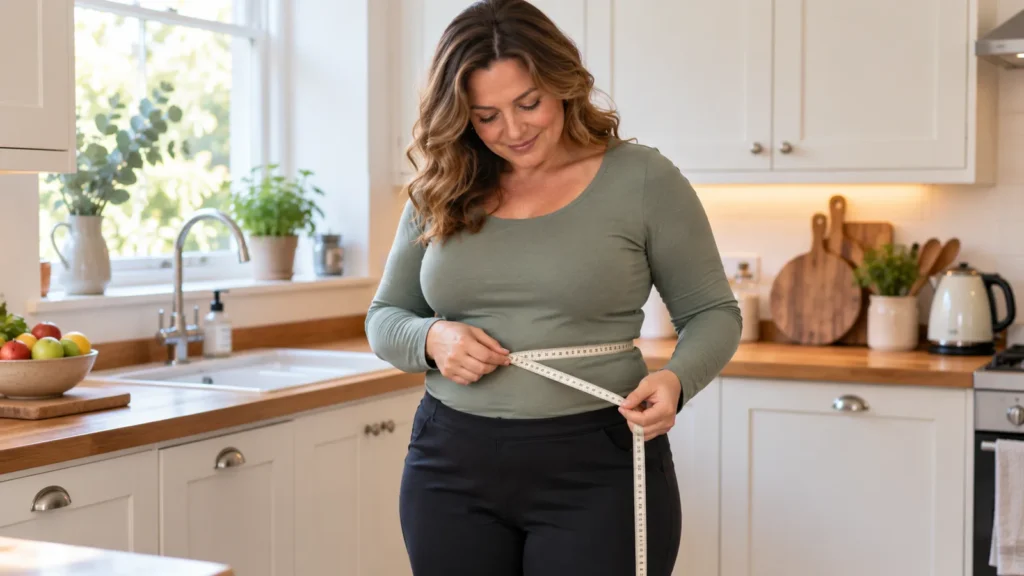

Apron belly before and after exercise: what changes and what doesn’t
Consistent exercise changes more about an apron belly than most people expect — and less than most people hope.
Finding the best tips for apron belly can feel overwhelming when there’s so much conflicting advice online. That’s exactly why this page exists. Here, you’ll find honest, practical guidance covering everything from what causes an apron belly to realistic ways to manage it through diet, exercise, clothing and, where relevant, medical options. Our goal is to give you the best tips for apron belly without judgement, unrealistic promises, or confusing medical jargon. Whether you’re dealing with changes after pregnancy, weight loss, or simply want to understand your body better, these guides are written to be clear and genuinely useful. Alongside apron belly advice, you’ll also find dedicated guides on FUPA and belly pooch, since many people experience a mix of these body changes together. Browse by topic below to find the guidance that fits exactly what you’re looking for right now.
Consistent exercise changes more about an apron belly than most people expect — and less than most people hope.
Apron belly before and after is one of the most searched phrases in this space, and it is easy to understand why.
Exercise involving controlled movement is one of the most misunderstood tools in apron belly management.
If you have noticed a new fold of skin or fat hanging below your waistline since perimenopause began, you may be trying to work out exactly what you are looking at — and what, if anything, to do about it.
Sitting at a desk for hours compresses the abdomen, slows peristalsis, and leaves many people feeling bloated and backed up by mid-afternoon.
If you’ve landed here wondering whether changing what you eat can actually make a difference to an apron belly, the short answer is: it depends on what’s driving yours.
The terms people use online for lower-abdominal fullness are often swapped around without much precision.
Eating well on a tight budget is one of the most practical nutrition challenges most people in the UK actually face.
Feeling blocked up is uncomfortable, and the instinct to reach for movement and exercise as a first response is well-founded.
Fat loss is rarely about willpower. More often it comes down to whether your nutrition and diet habits keep you full enough to stay consistent. These six habits focus on satiety and sustainability, not perfection.