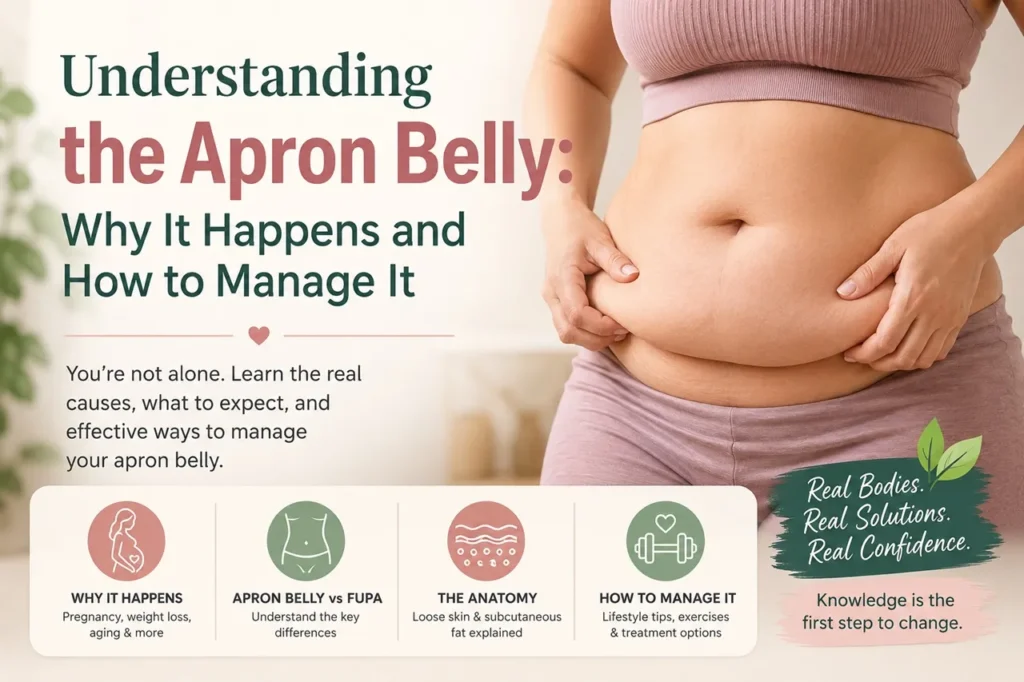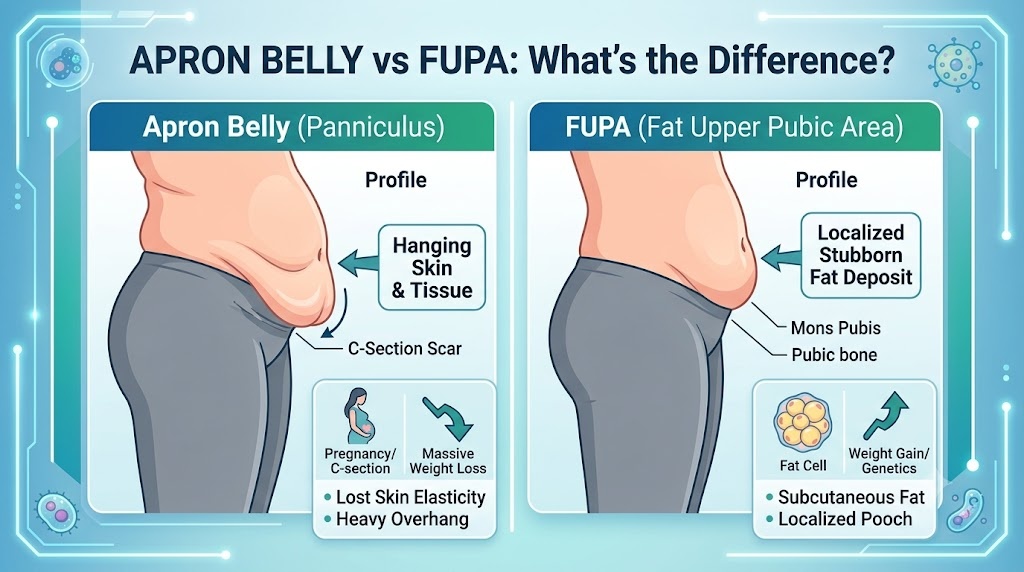

Bringing a baby into the world changes everything. Your body did something incredible. But afterward, many new moms look down and see something unexpected: a soft, hanging pouch of skin above the C-section scar. This is often called an apron belly after c section, and if you’re dealing with it, you are far from alone.
First, let’s be clear about something important. This is not a flaw. It’s not a failure. It’s a normal result of pregnancy, surgery, and healing. However, that doesn’t mean you have to just accept it forever. With patience, the right approach, and realistic expectations, you can absolutely make progress. This guide walks you through exactly how.
What is an Apron Belly After a C Section?
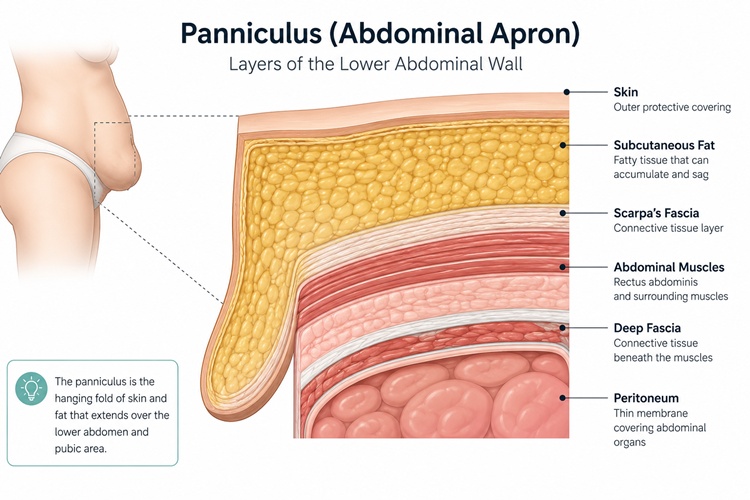
Let’s start with the basics. An apron belly, medically referred to as a panniculus, is a fold of skin and fatty tissue that hangs over the lower abdomen. Sometimes it drapes right over your C section scar. It can feel heavy, look uneven, and, honestly, be frustrating to see every day.
So why does it happen? During pregnancy, your skin stretches dramatically to make room for your growing baby. Meanwhile, your body stores extra fat to support breastfeeding and recovery. After birth, that stretched skin doesn’t always snap back. Additionally, a C-section incision cuts through several layers of tissue, which can affect how your abdominal muscles reconnect and function.
Several factors play a role here:
- Rapid skin stretching during pregnancy
- Hormonal shifts that loosen connective tissue
- Weight gained during pregnancy
- Diastasis recti, or separation of the abdominal muscles
- Reduced skin elasticity, especially with age or multiple pregnancies
Understanding these causes matters. Why? Because it helps set realistic goals. This isn’t simply “belly fat” you can burn off with crunches. It’s a combination of skin, fat, and muscle changes working together.
Is It Just Fat? Understanding the Underlying Causes
Here’s something many women don’t realize. An apron belly usually isn’t just about fat. It’s far more complex than that.
During a C-section, surgeons cut through skin, fat, and the abdominal wall to reach the uterus. This surgical process can temporarily weaken the connection between your core strength and your abdominal wall. As a result, your midsection may feel unstable or “disconnected” for a while after surgery.
Hormones also play a surprisingly big role. A hormone called relaxin increases during pregnancy to loosen your ligaments for childbirth. Unfortunately, relaxin also affects collagen production throughout your body, including your skin. Lower collagen means less elasticity, which makes it harder for skin to tighten back up naturally.
Your pelvic floor matters too. It works closely with your deep core muscles. If it’s weak or strained from delivery, your entire midsection can feel less supported. This often makes the apron belly appear more prominent than it actually is.
So, what’s really going on beneath the surface? Usually, it’s a mix of:
- Subcutaneous tissue buildup
- Loose or stretched skin
- Weakened core and pelvic floor muscles
- Possible diastasis recti
- Reduced skin elasticity
Knowing this helps you approach recovery from multiple angles, not just one.
When Can You Start Working on Your Apron Belly?
This is where patience becomes essential. Rushing this process can genuinely hurt you.
Most doctors recommend waiting six to eight weeks before beginning any structured exercise. This is your doctor’s clearance checkpoint, and it’s non-negotiable. Your incision needs time to heal internally, not just on the surface. Beneath the skin, your muscles and tissues are still repairing themselves.
Why does timing matter so much? Because pushing too hard, too soon, can lead to complications. These include hernias, incision reopening, or worsened diastasis recti. Nobody wants that.
Instead, focus on gentle activities in the early weeks:
- Short, slow walks
- Deep belly breathing
- Rest whenever your body asks for it
- Proper posture while sitting or feeding your baby
Once you get medical clearance, you can gradually introduce a safe exercise timeline. Start slow. Listen to your body. Progress will come, but it comes in stages, not overnight.
Effective Strategies to Reduce Apron Belly
Now let’s talk solutions. This section covers exercise, nutrition, and lifestyle changes that genuinely help.
Safe Exercises for Core Recovery
Forget crunches for now. They can actually worsen diastasis recti if done too early. Instead, focus on gentle, targeted movements that rebuild strength from the inside out.
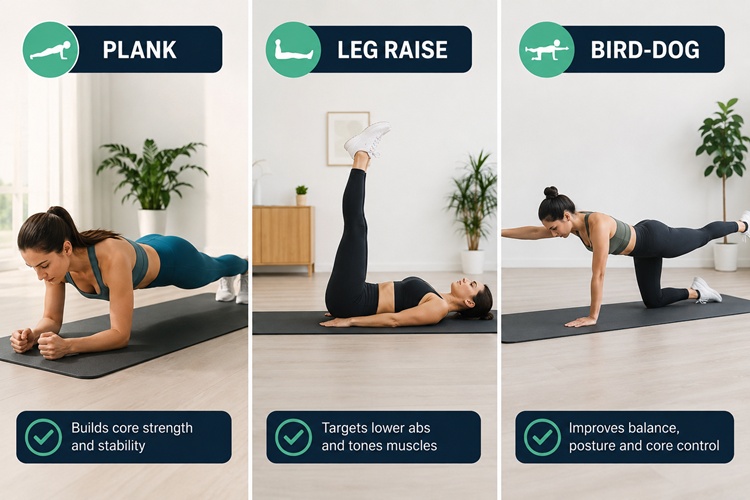
Try these pelvic floor exercises and core stabilization moves:
- Pelvic tilts: Lie on your back, knees bent, and gently tilt your pelvis upward.
- Plank: Practice diaphragmatic breathing to reconnect with your core.
- Leg Rise: Slowly slide one heel out while keeping your core engaged.
- Bird-dog stretches: Once cleared, this builds stability without straining your incision.
Low-impact cardio, like walking or swimming, also supports postnatal workouts without overwhelming your healing body. Consistency matters more than intensity here. Even ten minutes daily adds up over time.
Nutrition for Healing and Fat Loss
What you eat directly affects how well your body heals. It’s not just about losing weight. It’s about giving your body the tools it needs to repair itself.
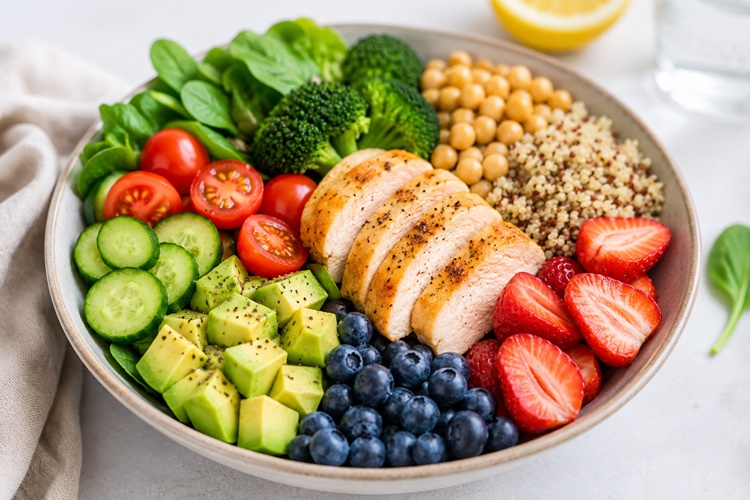
Prioritize whole foods like lean proteins, vegetables, and healthy fats. Protein especially supports tissue repair and muscle rebuilding. Meanwhile, staying hydrated helps your skin maintain elasticity and supports overall metabolic health.
A few simple nutrition tips:
- Eat protein with every meal
- Stay hydrated throughout the day
- Limit processed foods and added sugars
- Include fiber-rich foods to support digestion
This isn’t about crash dieting. Breastfeeding mothers especially need adequate calories. Instead, think of food as fuel for healing, not just a number on a scale.
Posture and Lifestyle Adjustments
Believe it or not, posture makes a visible difference. Slouching pushes your abdomen forward, which can make an apron belly look more pronounced.
Practice standing tall, with shoulders back and core gently engaged. When sitting, especially during long feeding sessions, use a pillow for lower back support. This encourages proper spinal alignment and reduces strain on your midsection.
Some women also find abdominal support garments helpful during recovery. These can offer gentle compression and support as your core rebuilds strength. However, always check with your doctor before using one after surgery.
When to Consult a Specialist
Sometimes, an apron belly is more than just skin and fat. It’s important to know when to seek professional help.
If you notice a visible bulge that worsens with coughing or straining, this could indicate an abdominal hernia. This requires medical attention, not just exercise. Similarly, severe diastasis recti, where your abdominal muscles remain widely separated, may require physiotherapy.
Signs you should see a medical professional:
- Persistent pain around your incision
- A bulge that changes with movement or pressure
- Ongoing back pain despite lifestyle adjustments
- No improvement after several months of consistent effort
A pelvic floor physiotherapist can also assess your diastasis recti diagnosis and create a personalized recovery plan. There’s no shame in asking for help. Sometimes, professional guidance makes all the difference.

Conclusion
Recovering from a C-section takes time. An apron belly, while common, doesn’t have to be permanent or something you simply live with forever. Through safe exercise, proper nutrition, good posture, and patience, real improvement is possible.
Remember, consistency beats intensity every single time. Small, steady efforts compound over weeks and months. Your body just went through something remarkable. Give it the grace and time it deserves.
If you’re navigating an apron belly after c-section, know this: you’re not alone, and progress is possible. Trust the process, celebrate small wins, and don’t hesitate to reach out to a specialist if something feels off. Your recovery journey is uniquely yours, and it’s worth honoring.
Frequently Asked Questions (FAQs)
Exercise can significantly improve muscle tone and reduce the appearance of an apron belly. However, loose skin may not fully resolve without additional interventions. For some women, exercise alone provides great results.
This varies widely from person to person. Some women see noticeable changes within six months. Others may take a year or longer, especially depending on skin elasticity and overall healing.
Postpartum support belts can help during early recovery. Always ask your doctor before using one after a C-section, since timing and fit matter for proper healing.
Avoid crunches, sit-ups, and heavy lifting in the early weeks. These can strain your incision and worsen diastasis recti. Always get clearance before increasing exercise intensity.
Medical Disclaimer: Always consult your doctor before starting any postpartum exercise or recovery routine. Every C-section recovery is different. This article is for general information only and does not replace personalized medical advice.