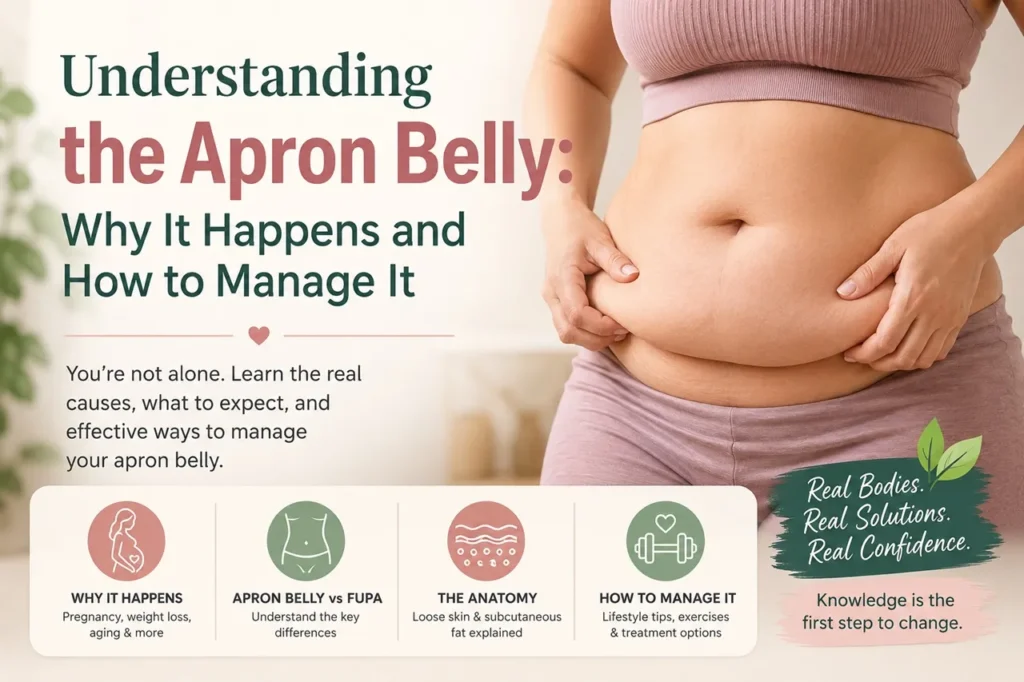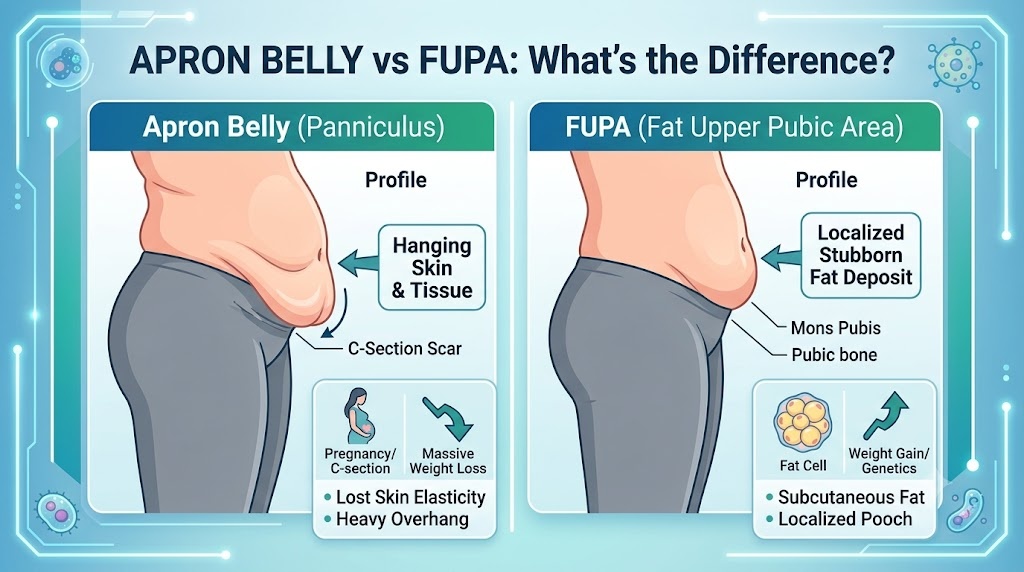

Menopause apron belly is a fold of lower abdominal fat and skin that develops when falling estrogen levels shift fat storage from the hips and thighs to the abdomen. Managing it requires a combination of strength training, nutrient-dense eating, cortisol regulation, and consistent movement, not crash diets or endless cardio.
You eat well. You move your body. And yet, somewhere in your mid-to-late forties or fifties, a soft, stubborn layer of fat settles around your midsection and refuses to budge. Sound familiar? You’re not imagining it, and you’re certainly not failing.
This is what many women call a menopause apron belly, a change in body shape that arrives alongside perimenopause and menopause, driven largely by hormonal shifts that are completely outside your control. It’s one of the most common midlife body changes women experience, yet it’s still widely misunderstood.
The frustrating part isn’t just the physical change itself. It’s that the strategies that used to work cutting calories, doing more cardio, often stop delivering the same results. That’s because menopause belly fat during this life stage operates differently, and managing it requires a different approach.
This guide breaks down exactly why the menopause apron belly develops, what’s happening in your body at the hormonal and metabolic levels, and which evidence-based strategies actually make a difference. Whether you’re newly perimenopausal or well past your last period, this is a practical, judgment-free starting point.

What Is a Menopause Apron Belly?
The term “menopause apron belly,” sometimes called a menobelly or menopot, refers to a visible accumulation of fat in the lower and central abdominal area that becomes more pronounced during the menopausal transition. It may present as a rounded midsection, a soft lower belly overhang, or a noticeable increase in waist circumference that seems resistant to diet and exercise.
To understand why it forms, it helps to know the difference between the two main types of abdominal fat:
- Subcutaneous fat sits just beneath the skin. It’s the soft, pinchable layer that you can feel. While it contributes to visible belly size, it’s generally less harmful from a health perspective.
- Visceral fat sits deeper, surrounding your internal organs. You can’t see or feel it directly, but it’s metabolically active in ways that raise concern. According to Harvard Health, elevated visceral fat is associated with increased risk of cardiovascular disease, type 2 diabetes, and metabolic syndrome.
During menopause, the body tends to accumulate more visceral fat, which is why increasing waist circumference is used as a key marker for cardiometabolic health risk. A waist measurement above 35 inches in women is considered a warning sign by many clinical guidelines.
The Science Behind the Shift: Why Menopause Changes Where Fat Is Stored
How Does Estrogen Decline Affect Fat Distribution in Women?
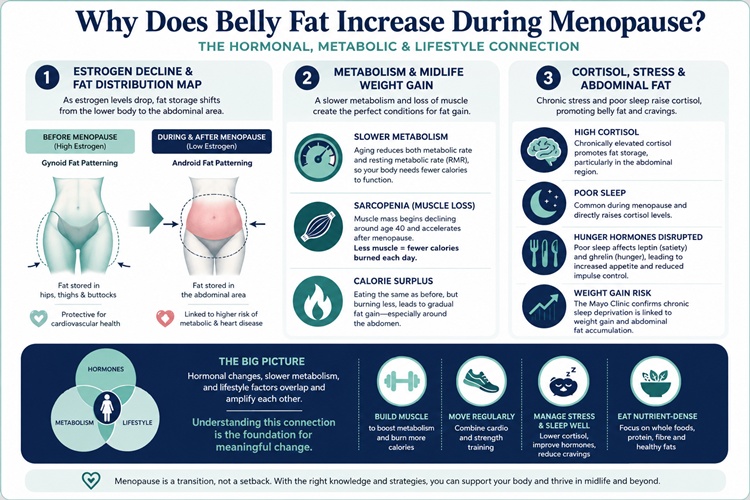
Before menopause, estrogen plays a key role in directing where the body stores fat, primarily in the hips, thighs, and buttocks. This fat distribution pattern (known as gynoid fat patterning) is partly protective for cardiovascular health.
As estrogen levels decline during perimenopause and into menopause, this protective signal weakens. The body begins shifting toward android fat patterning, the kind more commonly seen in men, where fat accumulates in the central abdominal region. The result is a measurable change in body composition and waist circumference, even when overall body weight remains relatively stable.
What Role Does Metabolism Play in Midlife Weight Gain?
Aging naturally reduces both metabolic rate and resting metabolic rate (the calories your body burns at complete rest). A slower metabolism means your body requires fewer calories to function, so previous eating habits can lead to gradual fat gain over time.
Compounding this is sarcopenia, the progressive loss of muscle mass that begins in earnest around the age of 40 and accelerates after menopause. Muscle tissue is metabolically expensive to maintain, meaning the more muscle you have, the more calories you burn throughout the day. As muscle mass declines, so does calorie expenditure, creating the conditions for fat to accumulate, particularly in the abdomen.
How Does Cortisol Contribute to Belly Fat During Menopause?
Cortisol, the body’s primary stress hormone, is another major player. Chronically elevated cortisol specifically promotes fat storage in the abdominal area, making stress management a genuine factor in body composition, not just a wellness cliché.
During the menopause transition, many women also experience sleep disturbances, which directly raise cortisol levels. Poor sleep disrupts leptin and ghrelin, the hunger hormones that regulate appetite and satiety, often leading to increased food intake and reduced impulse control around food choices. According to the Mayo Clinic, chronic sleep deprivation is consistently linked to weight gain and abdominal fat accumulation.
The hormonal, metabolic, and lifestyle factors at play here overlap and amplify each other. Understanding that is the foundation for making meaningful change.
Effective Strategies to Manage Menopause Apron Belly
Nutrition for Metabolic Health: What Should Women Eat During Menopause?
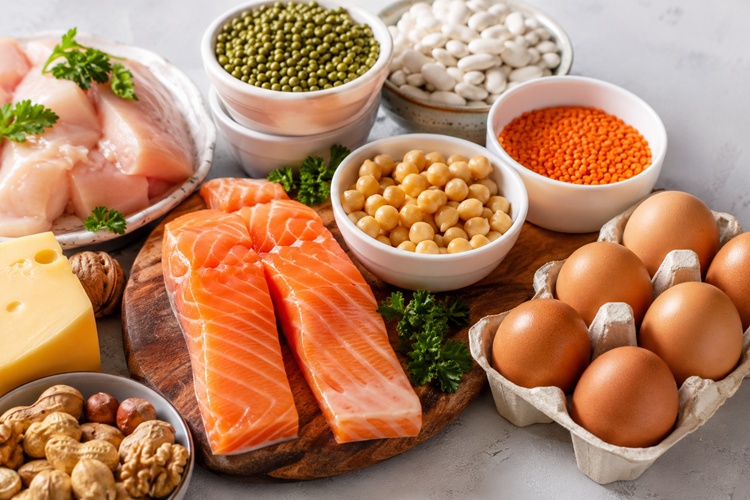
Food choices during menopause serve a different purpose than they did at 30. The goal shifts from calorie restriction to supporting metabolic health, blood sugar control, and insulin sensitivity.
Here’s what the evidence supports:
- Prioritize protein at every meal. Adequate protein intake helps preserve lean muscle mass, supports satiety, and has a high thermic effect (meaning your body burns more energy digesting it). Aim for 25–30g of protein per meal from sources such as eggs, fish, legumes, poultry, and Greek yogurt.
- Focus on blood sugar stability. Rapid blood sugar spikes trigger insulin release, which promotes fat storage. Swap refined carbohydrates for whole grains, vegetables, and legumes. Pair carbohydrates with protein or healthy fat to slow glucose absorption.
- Reduce ultra-processed foods. These are often calorie-dense but nutrient-poor, and their consumption is strongly linked to visceral fat accumulation.
- Support gut health. A diverse, fibre-rich diet supports the gut microbiome, which plays a role in estrogen metabolism and body weight regulation.
- Limit alcohol. Alcohol is often overlooked but contributes significantly to belly fat during menopause, particularly because the liver prioritizes processing alcohol over burning fat.
This isn’t about eating less. It’s about eating in a way that works with your changed hormonal environment rather than against it.
The Power of Strength Training: Why Building Muscle Matters After Menopause

If there’s one thing women going through menopause consistently underuse, it’s resistance training. The evidence is clear: strength training is the most effective tool for counteracting sarcopenia, improving insulin sensitivity, and shifting body composition.
Building muscle does several things simultaneously:
- Raises your resting metabolic rate, so you burn more calories at rest.
- Improves glucose uptake in muscle tissue, reducing insulin resistance
- Supports bone density, which also declines post-menopause
- Strengthens the core and improves posture, which affects how the abdomen looks and feels
Aim for at least two to three resistance training sessions per week, targeting major muscle groups. You don’t need a gym; bodyweight exercises, resistance bands, and dumbbells at home are all effective.
For women already dealing with a lower belly overhang or a pronounced abdominal fold, our guide to effective belly fat exercises offers a safe, week-by-week plan that accounts for core health and muscle separation.
Managing Cortisol: What Are the Best Ways to Reduce Stress-Related Belly Fat?

Cortisol regulation deserves a dedicated approach, not just a footnote. Here are practical steps that have genuine physiological impact:
- Protect your sleep. Seven to nine hours of quality sleep is one of the most powerful things you can do for hormonal balance and belly fat management. Establish a consistent bedtime, keep your room cool and dark, and limit screen exposure in the hour before bed.
- Incorporate restorative movement. Yoga, tai chi, and slow walks in nature have measurable effects on cortisol reduction. These aren’t inferior to intense workouts during high-stress periods; they may actually be more beneficial.
- Practice intentional stress management. Breathwork, meditation, journaling, and social connection all reduce cortisol over time. Even ten minutes a day creates a meaningful cumulative effect.
- Avoid over-exercising. Intense, prolonged exercise raises cortisol. During menopause, this can work against you if training volume is too high without adequate recovery.
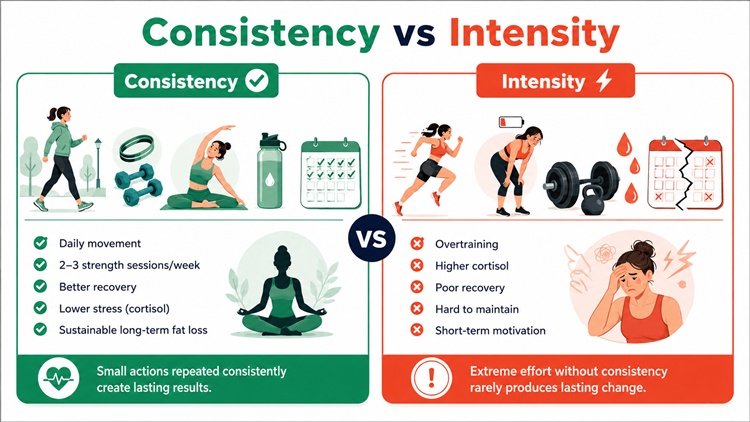
Movement: Why Consistency Beats Intensity for Managing Menopause Belly Fat
The instinct is to do harder workouts, more sweat, more effort. But the relationship between exercise and fat loss during menopause is more nuanced than that.
Chronic high-intensity training without adequate recovery raises cortisol, which can actually promote abdominal fat storage. What works better is a sustainable combination:
- Daily low-intensity movement walking, swimming, and cycling keeps your metabolism active and cortisol in check.
- Two to three strength training sessions per week build and preserve muscle.
- One to two moderate-intensity cardio sessions, such as brisk walking, dancing, or hiking, support cardiovascular health without overtaxing your system.
Consistency over months and years is far more powerful than periodic bursts of intense effort. For a broader lifestyle guide for women navigating midlife body changes, we’ve compiled non-surgical and lifestyle-based approaches in one place.
Common Myths vs. Facts About Menopause Belly Fat
Myth: You Can Spot-Reduce Belly Fat
There is no exercise, device, or technique that burns fat from a specific area of the body. Fat loss is systemic; your body draws from fat stores based on genetics and hormones, not based on which muscles you’re working. Abdominal exercises strengthen the muscles beneath the fat but don’t directly reduce the fat layer itself. This applies to belly fat during menopause just as much as it does at any other life stage.
Myth: A Strict Diet Will Fix It Quickly
Fad diets, extreme calorie restriction, cleanses, and elimination protocols often backfire during menopause. Severe caloric restriction can accelerate muscle loss, further slow metabolism, and increase cortisol levels, all of which worsen the conditions that lead to belly fat. Long-term weight management relies on sustainable eating patterns, not temporary interventions.
What About “Menobelly” or “Menopot”?
These terms are widely used on social media and sometimes dismissed as trivial. They don’t describe a real, physiologically driven phenomenon. The problem is that their casual use can make women feel their concerns aren’t serious, or conversely, that this change is purely cosmetic. The truth is that visceral fat accumulation during menopause carries genuine metabolic health implications, and addressing it is an act of health care, not vanity.
When Should You Consult a Doctor About Menopause Belly Fat?
Some aspects of this journey genuinely require professional input. Speak to your GP or a specialist if:
- Your waist circumference has increased significantly, and you have additional risk factors for cardiovascular disease or type 2 diabetes.
- You’re experiencing severe sleep disturbances, mood changes, or hot flashes that are significantly affecting your quality of life.
- You want to explore hormone replacement therapy (HRT), which some evidence suggests may help reduce visceral fat accumulation and support body composition during menopause.
- Diet and lifestyle changes over several months have produced no measurable improvement.
- You’re concerned about whether the tissue in your lower abdomen is predominantly fat or involves a significant skin fold that may benefit from other forms of best support for apron belly.
Your cardiometabolic health is worth taking seriously, and a doctor can order blood panels including fasting glucose, insulin, lipids, and hormonal markers that provide a far clearer picture of what’s actually happening in your body.
Your Next Step Starts With Understanding, Not Restriction
Menopause apron belly is not a sign of laziness, poor discipline, or a body that has turned against you. It’s a predictable biological response to one of the most significant hormonal transitions a woman’s body undergoes.
The path forward doesn’t involve eating less and doing more of the same things that stopped working. It involves understanding the hormonal and metabolic shifts at play, then addressing them with targeted strategies, such as strength training to counter sarcopenia, nutrient-dense eating to support insulin sensitivity, cortisol regulation to prevent stress-driven fat storage, and consistent movement that doesn’t push your nervous system into overdrive.
This is about long-term wellbeing, how you feel, how you move, and how you support your health for the decades ahead, not just how your midsection looks in the mirror.
Frequently Asked Questions (FAQs)
Menopause apron belly is a layer of abdominal fat that accumulates and may hang over the waistline, becoming more pronounced during or after menopause. It primarily develops because declining estrogen levels cause the body to redirect fat storage from the hips and thighs to the abdomen.
Yes. While it requires a targeted approach, reducing belly fat after menopause is achievable. Combining resistance training (to rebuild muscle mass), a protein-rich, blood-sugar-stabilising diet, and cortisol management through better sleep and stress reduction produces measurable improvements in body composition over time.
Belly fat increases during menopause primarily because declining estrogen levels shift the body’s fat storage pattern from the hips and thighs to the abdomen. Simultaneously, a natural drop in metabolic rate and the onset of sarcopenia (muscle loss) reduce calorie expenditure, creating conditions for fat accumulation.
Yes. Chronically elevated cortisol, a common result of stress, poor sleep, and over-exercise, promotes fat storage specifically in the abdominal area. During menopause, many women experience increased cortisol due to sleep disturbances and hormonal fluctuations, making stress management a key part of managing belly fat.
It can be. The concern lies specifically with visceral fat, the deep abdominal fat that surrounds internal organs. According to Harvard Health, elevated visceral fat is associated with increased risk of cardiovascular disease, type 2 diabetes, and metabolic syndrome. Monitoring waist circumference and speaking to a doctor about cardiometabolic health is advisable.
Conclusion
Menopause apron belly is not a sign of laziness, poor discipline, or a body that has turned against you. It is a predictable biological response to one of the most significant hormonal transitions a woman’s body undergoes. You have the power to influence how your body navigates this shift by moving away from unsustainable habits and toward approaches that respect your metabolic and hormonal health.
The path forward doesn’t involve eating less and repeating the same routines that stopped working years ago. Instead, it involves targeted strategies: strength training to counter sarcopenia, nutrient-dense eating to support insulin sensitivity, cortisol regulation to prevent stress-driven fat storage, and consistent movement that supports your nervous system rather than taxing it.
This journey is about long-term well-being how you feel, how you move, and how you support your health for the decades ahead, rather than just how your midsection looks in the mirror. You are not alone in this, and with the right evidence-based approach, you can reclaim your confidence and your health.