
Apron Belly Health Risks
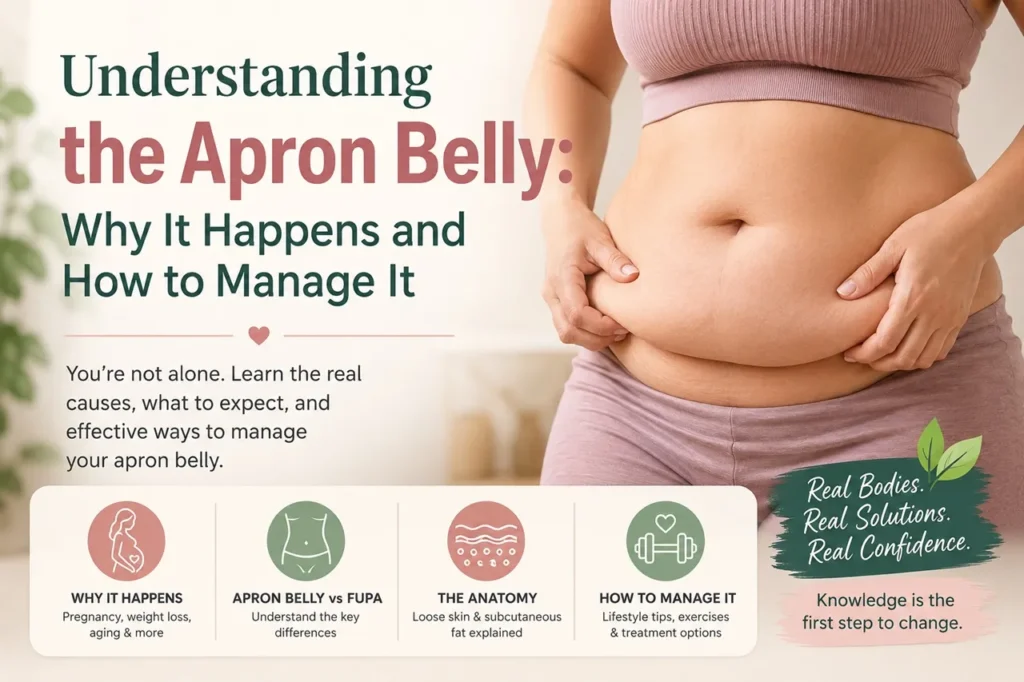
Many women treat a hanging tummy as a looks problem, but apron belly health risks reach further. An apron belly, also called a panniculus or abdominal pannus, can affect skin, posture, movement and long-term health.
The fold forms when excess skin, loose skin and subcutaneous fat gather over the lower abdomen. Pregnancy, weight loss and falling skin elasticity with age are the usual causes. Folds range from slight to heavy.
Whether you call it a mother’s apron, a pannus stomach or a stomach overhang, it is not just cosmetic. This guide covers eight problems, plus the red flags that mean you should see a GP.

1. Skin Rashes and Fungal Infections
The crease under the fold stays warm and damp, and the skin rubs every time you move. This mix of trapped moisture and friction triggers intertrigo, an inflamed rash that develops in deep skin folds.
Intertrigo shows as redness, itching and a raw, shiny patch. When yeast thrives in this warm moist environment, fungal infections appear with small spots at the edges and a musty odour. Bacterial infections can follow.
Wash the crease daily, dry it fully and separate it with a cotton liner. Pharmacists suggest antifungal creams, while a barrier cream with zinc oxide stops chafing. Our apron belly rash treatment guide has more.
2. Cellulitis, Skin Breakdown and Ulcers
Broken, damp skin lets bacteria travel deeper. Cellulitis is an infection of the deeper skin layers, and it can spread fast. Watch for skin around the fold that turns hot, swollen, tender and increasingly red.
Cellulitis needs antibiotics, and the NHS cellulitis guidance advises urgent help when these signs appear. Call NHS 111 or go to A&E if you also feel feverish, shivery or confused, as infection may be spreading.
Heavy aprons can also cause skin breakdown, cracking, raw areas, open sores, drainage and painful ulcers. Recurrent infections and chronic infections need wound care from a nurse or dermatologist, with medicated creams or advanced dressings.
3. Back Pain and Posture Strain
A heavy fold shifts your centre of gravity and pulls the body forward. Your spine arches to compensate, so lower back pain and poor posture build through the day and often feel worst by evening.
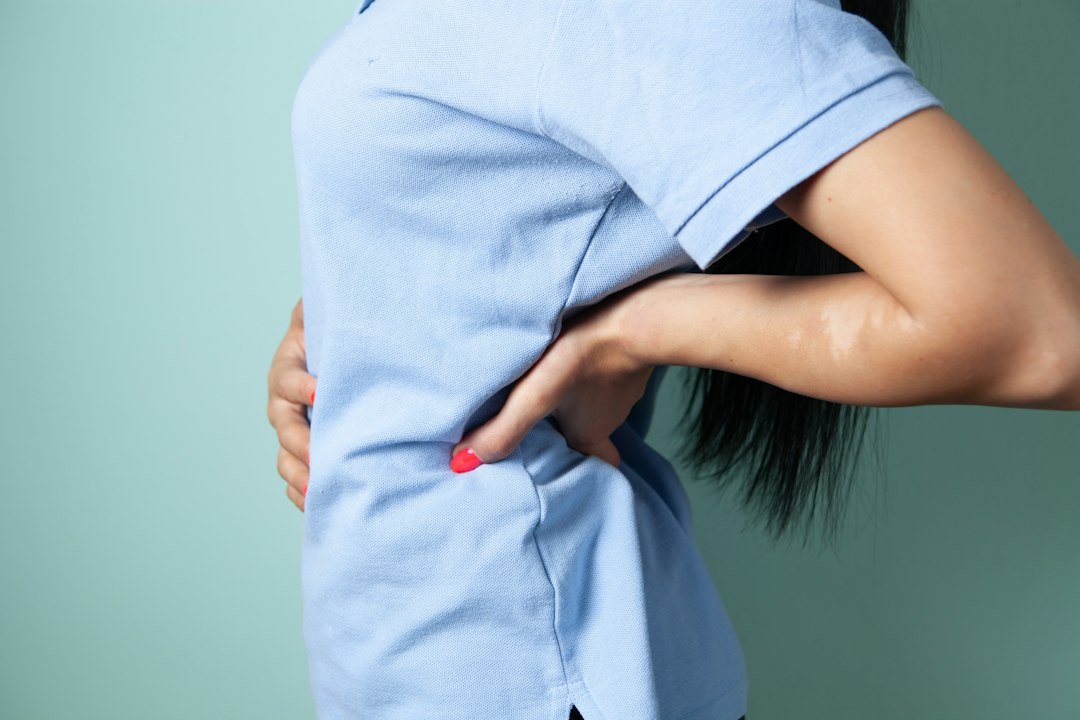
This postural strain does not stop at the spine. Many people also feel back strain that travels into the hips and knees, because poor alignment changes how you stand, walk and climb stairs every day.
Core strengthening trains the deep abdominal muscles to support your spine from within. Well-fitted support garments or abdominal binders lift the fold and ease the load. Learn whether an apron belly can cause back pain.
4. Reduced Mobility and Daily Hygiene
Larger aprons, especially at the higher apron belly grades, often lead to reduced mobility. Bending, walking longer distances and climbing stairs feel harder, and the fold can rub the thighs or bounce with each step.
Limited mobility lowers exercise tolerance and raises fatigue. Over time, a sedentary lifestyle brings muscle weakness and further weight gain, which makes movement harder still. Breaking this cycle early protects your strength, balance and independence.
Hygiene difficulties are common too, because reaching and drying the crease takes effort. Daily hygiene aids such as long-handled sponges help. Poor clothing fit and tight waistbands trap moisture, so choose soft, high-rise styles instead.
5. Hidden Hernias
Extra weight raises pressure inside the tummy, which can push tissue through weak spots in the abdominal wall. The result is a hernia, often found at the belly button or along an old C-section scar.
Prior abdominal surgery, scar tissue and diastasis recti all weaken the muscle wall. A large apron may hide a small bulge, so a lump in stomach tissue can go unnoticed without a proper physical exam.
Check for a soft lump that grows when you cough or strain and flattens when you lie down. Surgeons sometimes combine ventral hernia repair with fold removal. Get urgent help for a painful, firm hernia.
6. Lymphoedema and Panniculus Morbidus
In rare cases, usually with a large panniculus linked to severe obesity, fluid cannot drain properly from the fold. The tissue swells, feels heavy and firm, and may hang down towards the mid-thigh or beyond.
Doctors call this advanced form panniculus morbidus, or abdominal wall lymphoedema. The skin may thicken, darken or develop a rough, cobbled surface. It appears most often at Grade 5, where obesity has lasted many years.
The NHS lymphoedema page lists swelling, heaviness and repeated infections as key signs, and these need specialist care. Lipoedema is a separate condition affecting mainly the legs and hips, so ask your GP which applies.
7. Metabolic and Heart Health Risks
The fold itself is mostly surface fat. The bigger concern is visceral fat, which sits around your liver and gut. Excess abdominal fat of this kind often rises alongside an apron and increases metabolic risks.
Visceral and stubborn belly fat raise your chances of type 2 diabetes, high blood pressure, heart disease and certain cancers. Weight around the middle also makes sleep apnoea more likely, where breathing pauses during sleep.
Try a quick waist-to-height check at home. Your waist should measure less than half your height. Steady weight management and 150 minutes of moderate activity each week, as the NHS recommends, steadily lower these risks.
8. Emotional Wellbeing and Body Image
Physical problems are only one part of the picture. Many women feel self-conscious in fitted clothes or swimwear, and ongoing embarrassment can slowly chip away at body image, self-esteem and everyday confidence in social settings.
Some people avoid gyms, beaches or intimate moments, which can gradually lead to social isolation. Repeated emotional distress may feed anxiety or low mood, and this often affects work, relationships, sleep and overall mental well-being.
These feelings are common and valid. Talking to your GP, a counsellor or a peer support group can help. Your body has carried you so far, and it deserves kindness as well as practical care.
Red Flags: When to See a GP or Call NHS 111
Most apron belly problems build slowly, but some need prompt care. See your GP within days if you notice persistent pain, a new lump, worsening symptoms or a rash that keeps returning despite good care.
Get same-day help for signs of infection, such as hot, spreading redness or a fever. Rapid weight gain, increased thirst and frequent urination may point to diabetes, so book a blood test with your GP.
Shortness of breath, chest discomfort or sudden severe tummy pain need immediate medical attention, so call 999. Before any appointment, track symptoms and take clear photos of rashes, which also supports a future surgical referral.
How to Lower Your Risk Day to Day
Daily skin care prevents most fold problems. Use gentle cleansing with mild, unscented soap, then dry thoroughly, perhaps with a cool hairdryer. Moisture-absorbing powders and breathable clothing in cotton keep the crease cooler and calmer.

Compression garments support the fold during daily walks and cut rubbing. Aim for weight stability first, then gradual weight loss through a balanced diet, because repeated gain and loss stretches the skin further each time.
Strength training twice a week protects your muscles and joints. Start with pelvic tilts, bridges and modified planks, then progress slowly. After pregnancy, a women’s health physical therapist can build a safe plan for you.
Frequently Asked Questions
Is an Apron Belly Dangerous?
An apron belly is not automatically dangerous. A small fold at a healthy weight rarely causes more than an occasional sweat rash. The medical risks rise with severity, so a heavy fold needs closer attention.
Doctors grade aprons from Grade 1, which reaches the pubic hairline, up to Grade 5, which reaches the knees. Higher grades bring more infections, back strain and movement problems, plus greater odds of visceral fat.
The real danger usually comes from what sits alongside the fold. Deep belly fat affects your heart and blood sugar. Regular GP checks help you spot problems early and keep your long-term health on track.
Can an Apron Belly Cause Infections?
Yes. The crease traps sweat, heat and friction, which causes skin irritation and makes infection far more likely. Intertrigo is the most common problem, and it often develops within days during hot, humid summer weather.
Candidiasis, a yeast infection, causes a bright red rash with small satellite spots. Bacteria can also cause cellulitis, which needs antibiotics. A recurrent rash that returns every few weeks deserves a review with your GP.
Prevention works for most people. Wash and dry the crease daily, wear cotton next to the skin and change damp clothing quickly. Keeping the fold lifted and aired breaks the cycle of moisture and irritation.
Can Weight Loss Get Rid of an Apron Belly?
Weight loss shrinks the fat within the fold, which often makes it lighter and less troublesome. However, stretched skin may not retract fully, especially after years of carrying extra weight or after several full-term pregnancies.
Massive weight loss, including after bariatric surgery, often leaves a heavy, loose apron behind. Losing weight gradually gives skin more time to adapt, although genetics, age and sun damage also shape how well it recovers.
Surgeons prefer a stable weight for several months before removing a fold, because further loss can change the result. Focus first on the health gains, then judge how much loose skin remains on your body.
Can Exercise Shrink an Apron Belly?
Exercise cannot remove loose skin, and spot reduction is a myth, so sit-ups will not target the fold. Fat loss happens across the whole body when you move more and eat well consistently over time.
Low-impact exercise such as walking, swimming and cycling burns extra energy without jarring your joints. Strength work builds muscle tone, which firms the area underneath and supports posture, even when the skin itself stays loose.
Regular movement also improves blood sugar, mood and sleep, which reduces the wider health risks. Start small, perhaps with walking for an apron belly for ten minutes daily, then build up as your fitness improves.
Can Hormones Cause an Apron Belly?
Hormones rarely cause an apron belly on their own, but they shape where your body stores fat. During menopause, falling oestrogen shifts fat towards the tummy, so many women notice a larger fold after fifty.
Hormonal changes also reduce collagen and elastin, the proteins that keep skin firm and springy. With less support, skin sags far more easily, and an existing fold can grow heavier even without any weight gain.
Conditions such as PCOS and an underactive thyroid can also encourage tummy fat. If your shape changes suddenly, ask your GP about blood tests to check hormone levels. Our menopause belly apron guide explains more.
When Is Surgery Needed for an Apron Belly?
Surgery becomes an option when the fold causes repeated infections, skin breakdown or real problems with movement, despite good care. Surgeons usually consider it once weight has stayed steady and other measures have not worked.
A panniculectomy removes the hanging skin and fat, and the NHS may fund it when it is medically necessary. An abdominoplasty, or tummy tuck, also tightens the muscles and is normally a private cosmetic procedure.
Liposuction removes fat but cannot remove loose skin, so it is rarely enough alone. Recovery takes several weeks and needs careful planning ahead. Our apron belly surgery cost guide covers NHS criteria and private prices.