
Quick Answer
Yes, running with an apron belly is very doable for most people. Support the fold, protect the skin from rubbing and build up gradually, because running is higher impact than walking.
- Wear high-waisted leggings or a support band
- Start with walk-run intervals, such as NHS Couch to 5K
- Stop and get checked if anything feels painful
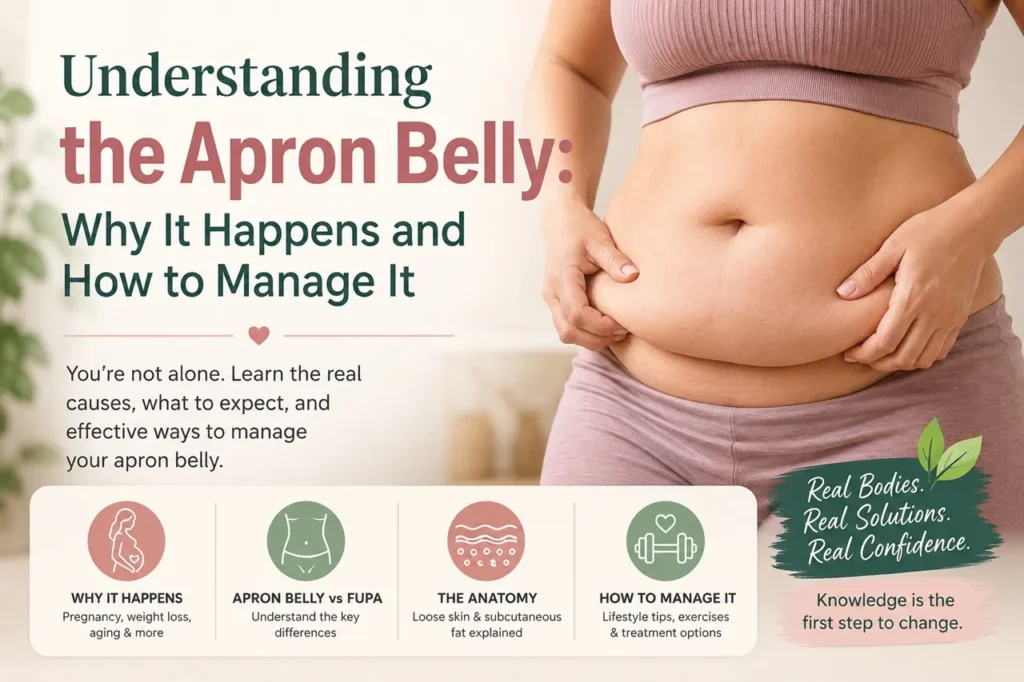
Running with an apron belly is absolutely possible, and many people with a heavier lower belly run regularly, from gentle jogs to full marathons. The challenge is usually comfort. A fold that bounces, rubs or traps sweat can turn a good run into a sore one.
The right support, kit and build-up can solve most of these problems. This guide explains how to stay comfortable and supported while running with an apron belly, from what to wear to how to start safely. It also covers skin care after a run and the signs that mean you should stop and get checked.
Can You Run With an Apron Belly?
Yes. Most people can run with an apron belly if they support the fold, protect the skin from rubbing and build up gradually. Running is a good way to boost fitness and mood. However, it is higher impact than walking, so a slower start makes sense.
Benefits of running
Running strengthens your heart, lungs and legs. It burns a fair amount of energy for the time it takes, which can support fat loss alongside good eating habits. Many people also find it clears their head and lifts their mood. It will not tighten loose skin, but it can help reduce the fat that adds to the overhang.
Is running the right choice for you?
If you are new to exercise, have joint pain, or carry a lot of extra weight, walking or cycling may be a kinder start. Our guide to walking for apron belly is a good place to begin. You can add running later, once walking feels easy.
Why Running Feels Different With an Apron Belly
Understanding the problems helps you fix them.
Bounce and movement
With each stride, the lower belly moves up and down. An unsupported fold can bounce, pull on the skin above it and feel uncomfortable. Some people also feel a dragging sensation in the lower back.
Chafing and sweat
Skin rubbing on skin, combined with heat and sweat, can quickly cause soreness. The crease under the fold and the inner thighs are the most common spots.
Pressure on the pelvic floor
Running puts repeated impact through the pelvic floor. If these muscles are weak, for example after pregnancy, you may notice leaks or heaviness. Our guide to apron belly and bladder leaks explains how to strengthen them.

What to Wear for Running With an Apron Belly
Good kit makes the biggest difference to comfort. You do not need to spend a fortune, but a few items are worth investing in.
High-waisted support leggings
Running leggings with a tall, wide waistband can hold the fold gently in place. Look for a firm, smooth fabric that does not roll down. Leggings that close above the fold, rather than in the crease, are usually most comfortable.
Belly support bands and garments
Some people wear a light support band or a high-waisted support short under their leggings. These lift the fold and reduce bounce. Make sure they are breathable and not too tight, since you need to breathe deeply when running. Our guide to apron belly support belts and binders compares options.
Moisture-wicking fabrics
Choose technical fabrics that move sweat away from the skin. Cotton holds sweat and can rub when wet. A thin moisture-wicking liner tucked under the fold can help on longer runs.
A supportive sports bra
A well-fitted, high-impact sports bra makes running more comfortable for anyone with a larger chest. Get fitted if you can, because the right size reduces bounce and back strain.
Running shoes
Cushioned shoes that fit well help absorb impact. A specialist running shop can watch you run and suggest suitable pairs. Replace them when the cushioning feels flat.
Protect Your Skin Before and After a Run
Skin care is a big part of running comfortably with an apron belly.
Before you run
Make sure the skin under the fold is clean and fully dry. Apply an anti-chafe balm to the crease and inner thighs. Avoid perfumed products on the area, as they can sting on sweaty skin.
After you run
Shower as soon as you can and dry the fold thoroughly. A cool hairdryer works well in deep creases. Change out of sweaty clothes quickly rather than sitting in them.
If your skin gets sore
Mild redness often settles in a day or two. If you notice a shiny, itchy, smelly or broken rash, take a break from running and see a pharmacist. Our guide to apron belly rash treatment explains common causes and remedies.
How to Start Running Safely
A gradual build-up gives your joints, muscles and pelvic floor time to adapt.
Start with walk-run intervals
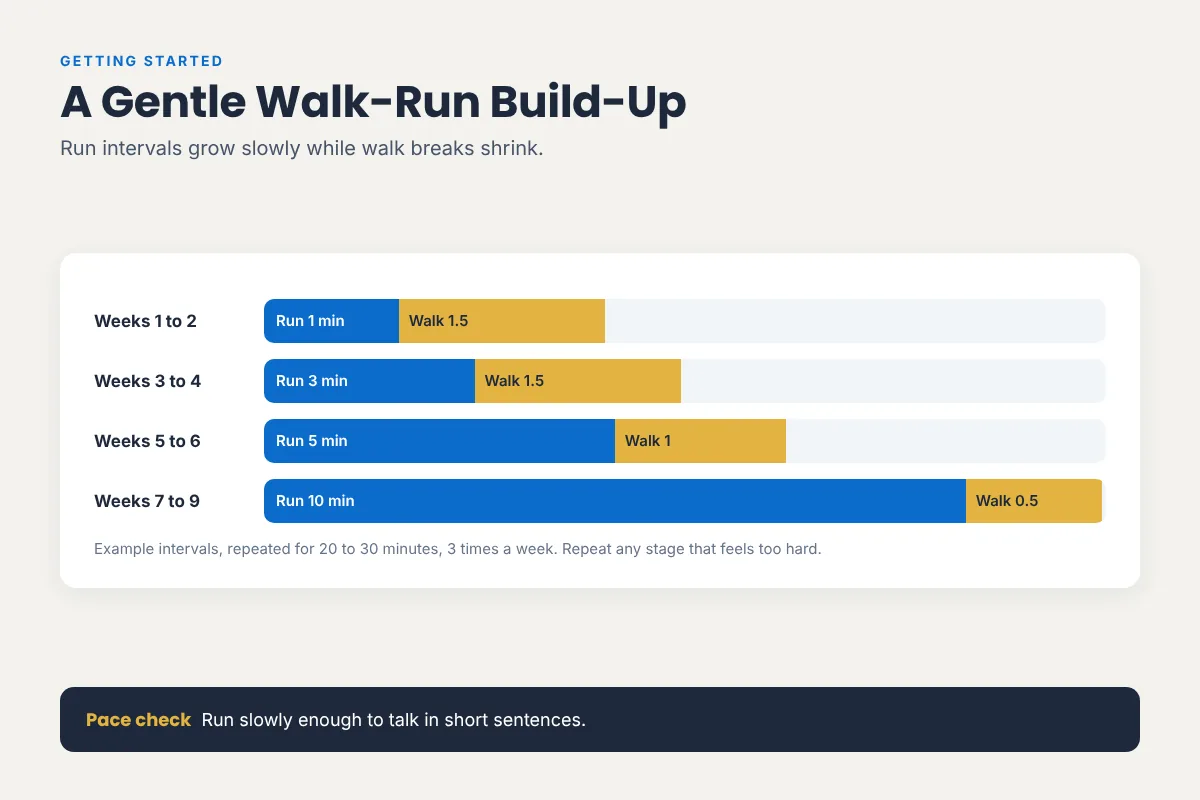
Begin with short bursts of slow running between longer walks. For example, run for one minute and walk for one and a half minutes, repeated for 20 to 30 minutes. The NHS Couch to 5K plan uses this approach over nine weeks and is free to follow.
Keep it slow
Run at a pace where you can still talk in short sentences. Running too fast too soon is a common reason beginners give up. Slow running still counts.
Rest days matter
Run on three non-consecutive days a week to start. Rest days let your body recover and adapt. Walking, swimming or gentle strength work on other days is fine.
Running Technique Tips
Small changes to how you run can reduce bounce and impact.
Shorter, quicker steps
Taking shorter steps keeps your feet landing under your body rather than out in front. This usually reduces impact through your joints and belly.
Run tall
Keep your chest lifted and your shoulders relaxed. Look ahead rather than down. Avoid leaning back, which can push the belly forward.
Choose softer surfaces
Grass, park paths and treadmills are gentler than pavements. A treadmill also gives you privacy and control over speed if you feel self-conscious at first.
Feeling Self-Conscious When You Run
Many new runners worry about being seen, especially with a larger body. These feelings are common and usually fade with time.
Choose your time and place
Early mornings, quiet parks and treadmills feel less exposed when you are starting out. As your confidence grows, you can try busier routes if you want to.
Run with others
Beginner running groups and friendly community events welcome all paces and sizes. Many people find running with others makes it more fun and easier to stick with. Walking is also accepted at many community runs.
Focus on how you feel
Notice your breathing, the music in your ears or the scenery around you. Most people out running are thinking about their own run, not watching you.
Fuel and Hydration
You do not need special sports products for short runs. Simple habits keep you feeling good.
Before and after
Eat a light snack an hour or two before running if you feel hungry, such as a banana or toast. After a run, have a meal or snack with protein and carbohydrate to help recovery.
Drink to thirst
Drink water through the day and have a drink after your run. On hot days or longer runs, take a small bottle with you.
Running After Pregnancy
If your apron belly developed after having a baby, timing matters. The body needs time to heal before high-impact exercise.
When to return
UK guidelines for professionals suggest waiting until at least 12 weeks after birth before returning to running, and longer if you had a difficult birth or a caesarean. Before that, focus on walking, pelvic floor exercises and gentle core work.
Check for diastasis recti and pelvic floor problems
If you have leaks, heaviness or a bulge down the middle of your tummy, ask your GP for a referral to a pelvic health physiotherapist. Our guide to apron belly and diastasis recti explains how to check for a gap.
Strength Work That Helps Runners
Strength training makes running easier and helps prevent injury.
Simple moves to add
Squats, glute bridges, step-ups, calf raises and side planks all support running. Two short sessions a week are enough to start. Deep core breathing and pelvic floor exercises are also worth doing daily.
Build gradually
Start with bodyweight and add resistance slowly. Stop any exercise that causes pain, leaking or a bulge in your tummy.
A sample beginner week
Monday: walk-run session. Tuesday: 15 minutes of strength work and pelvic floor exercises. Wednesday: rest or an easy walk. Thursday: walk-run session. Friday: strength work. Saturday: walk-run session or a community run at walking pace. Sunday: rest. Adjust the days to fit your life, but keep at least one rest day between runs at first.
Listen to your body
Some muscle ache in the first weeks is normal. Sharp pain, pain that changes how you move, or soreness that lasts more than a few days is a sign to rest and get advice.
When to Stop and Get Checked
Running should feel challenging but not painful.
Warning signs
Stop running and see your GP if you have pain in your belly, groin or around a scar, a new bulge, leaks that are getting worse, a feeling of heaviness in the pelvis, or chest pain and breathlessness that seem unusual for you. Call 999 for severe chest pain.
Frequently Asked Questions
Is running good for an apron belly?
Running can help reduce body fat and improve fitness, which may make an apron belly smaller and lighter. It will not tighten loose skin, but it can be part of a healthy routine alongside strength work and good food habits.
How do I stop my apron belly bouncing when I run?
Wear high-waisted support leggings or a light support band to hold the fold in place. Shorter, quicker steps and running tall can also reduce bounce.
What should I wear under my running leggings?
Moisture-wicking, seam-free underwear or high-waisted support shorts work well. Avoid cotton, which holds sweat and can rub.
How do I stop chafing under my belly when running?
Make sure the skin is dry before you run, apply anti-chafe balm, wear moisture-wicking fabrics and shower and dry the fold straight after.
When can I run after having a baby?
UK guidance for professionals suggests waiting at least 12 weeks after birth, and longer after a caesarean or complicated birth. Build up walking and pelvic floor strength first.
Can I do Couch to 5K with an apron belly?
Yes. Couch to 5K uses gradual walk-run intervals, which suit beginners well. Repeat any week that feels too hard before moving on.
The Bottom Line
Running with an apron belly is very doable with the right support. Wear high-waisted leggings or a support band, keep the skin dry and protected, and build up slowly with walk-run intervals. Add strength work, look after your pelvic floor, and stop if anything feels painful or wrong.
Your next step
Put together your basic kit: supportive leggings, a good sports bra and anti-chafe balm. Then try your first walk-run session this week, keeping the pace slow enough to chat.