You’ve booked the flights, sorted the hotel and counted down the days. Then, somewhere between choosing a suitcase and checking the forecast, the little worries start. Will the seatbelt fit comfortably? Will I be sore after five hours in a seat? What happens to my skin when it’s thirty degrees and I’m walking around all day? And what on earth do I wear on the beach?
If you’re travelling with an apron belly, those questions are completely normal, and you’re far from alone in asking them. The good news is that most of the discomfort people expect from a trip can be planned for. A few smart choices before you leave, a small comfort kit in your bag and some simple habits on the road can turn a stressful holiday into a relaxed one.
This guide covers flights, car and train journeys, hot weather, skin care, swimwear, packing and what to do if something doesn’t feel right while you’re away. It’s general information, not medical advice, so check with your GP if you have a health condition that affects travel.
Before You Go: A Little Planning Goes a Long Way
The most useful thing you can do is think about comfort at the booking stage, not at the airport gate.
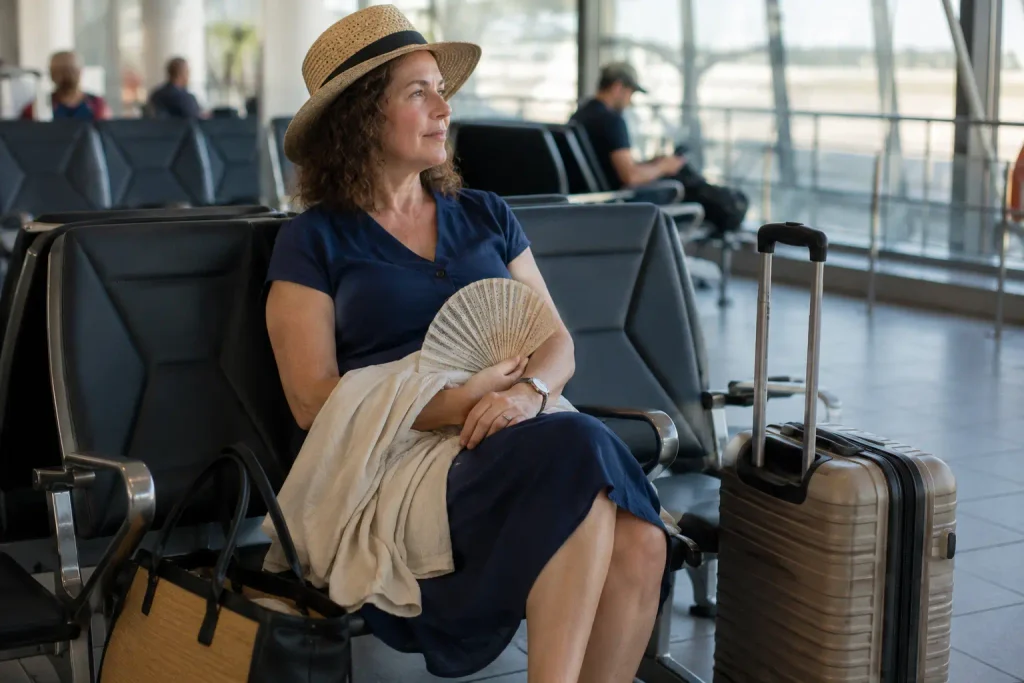
Choose your seat on purpose. If you can, pick an aisle seat so you can stand up and stretch without climbing over anyone. Seats with extra legroom, such as exit rows or bulkhead seats, give you more room to shift position, although airlines sometimes charge extra for them. A seat beside a window is better for leaning and resting, but it can feel more cramped.
Ask about a seatbelt extender. Most airlines will give you one on request, and you can ask a member of cabin crew discreetly once you’re seated. Using one is nothing to be embarrassed about. It simply sits more comfortably across your lap instead of pressing on the fold.
Book travel insurance and declare anything relevant. If you have a medical condition, or you’re recovering from surgery or planning any, tell your insurer so you’re properly covered.
Check the climate. A trip to a cool city and a week in a humid resort need very different preparation, and knowing what to expect helps you pack the right fabrics and skin care.
If you’ve had abdominal surgery recently, speak to your surgeon before booking, as they’ll usually give you advice about when flying is safe.
Flying With an Apron Belly
Flights are where most people feel the squeeze, quite literally. Seats are narrow, you’re sitting still for hours and the cabin air is dry. A few habits make a big difference.
Wear the right clothes
Choose soft, stretchy, breathable clothing with a wide waistband that sits gently over your belly. Tight jeans or waistbands that dig in can cause pressure marks, discomfort and a sore back after a long flight. Layers help too, because cabins can swing between chilly and stuffy. Skip tight shapewear on long journeys, since it can trap heat and press on the skin for hours.
Support your belly in the seat
A small cushion or rolled-up jumper placed behind your lower back can ease the strain from sitting. Some people also place a soft scarf or small pillow across their lap to take the weight of the fold off the seatbelt. When the seatbelt sign is off, shifting position every so often keeps your hips and back from stiffening up.
Keep your circulation moving
Long periods of sitting can slow circulation in the legs, and anyone can be affected on a long flight. The NHS guidance on deep vein thrombosis explains the risks and the signs to look out for. Simple habits help: get up and walk the aisle when it’s safe, flex and point your feet while seated, and avoid crossing your legs for long stretches. Ask your GP or pharmacist whether compression socks would suit you, particularly on flights longer than a few hours.
If sitting is already uncomfortable for you in daily life, our advice on sitting all day with an apron belly has set-up tips and movement ideas that carry over nicely to a flight.
Watch for swelling
Mild ankle swelling after a flight isn’t unusual, but if you’ve noticed heaviness, firmness or ongoing swelling in your belly or legs, it’s worth knowing the signs. Our guide to apron belly and lymphoedema explains what to look out for and when to get it checked before you travel.
Drink water and go easy on the extras
The air on a plane is very dry, so sip water regularly. Too much alcohol, caffeine or salty snacks can leave you feeling puffy and dehydrated, which doesn’t help comfort or sleep.
Car, Train and Coach Journeys
Road and rail trips are easier in one way, because you can stop and stretch whenever you like, but they bring their own challenges.
If you’re driving, plan a break every couple of hours so you can get out and walk around. Adjust the seat so your hips sit slightly above your knees, and use a small lumbar cushion behind your back. Seatbelts should sit low across your hips, with the strap lying across your chest, not pulling into the fold. If the belt rubs, a thin, soft cover or folded cloth on the strap can reduce friction.
On trains and coaches, a seat with a table can be awkward, so pick one with a little extra space if you can. Keep a bottle of water and a light snack handy, and walk up and down the carriage when you’re able to.
Coping With Hot Weather
Heat is the biggest comfort issue for many people with an apron belly. Skin touching skin traps warmth and moisture, which makes irritation much more likely.
Keep the fold dry. Pat the area thoroughly after showering, swimming or sweating, then give it a couple of minutes to air before you get dressed. A cornstarch-based powder or a light barrier balm can reduce rubbing. A clean, soft cotton cloth tucked lightly into the fold can wick away sweat, but swap it out as soon as it feels damp.
Change out of damp clothes quickly. Wet swimwear or sweaty underlayers sitting against the skin for hours are the usual culprits behind rashes on holiday.
Know the warning signs. Redness, itching, soreness or a sour smell can point to friction or a yeast infection. Our guide to apron belly rash and skin irritation explains what to look for. If something isn’t improving within a few days, a local pharmacist can advise, and a doctor can help if it’s more serious.
Protect your skin from the sun. Apply sun cream carefully, including the areas around the fold, then let it dry before covering up. Reapply regularly, especially after swimming.
Stay cool and hydrated. Wear loose, light-coloured natural fibres, take shade breaks, carry a small fan if you like and drink plenty of water. Plan your busiest sightseeing for the cooler parts of the day.
Swimwear and Beach Days
The beach can feel like the hardest part of a holiday, so it’s worth finding something you feel good in. You don’t have to wear anything you don’t like, and comfort matters more than anyone else’s opinion.
Many people find a swimsuit with ruching, a wrap-around style or a supportive panel across the middle the most comfortable. High-waisted bikini bottoms with a looser top can also work, as can a swim dress or tankini. Shorts with a swimsuit top are a good option too. Look for fabrics that dry quickly, and bring a second set so you can change out of a wet one.
A sarong or lightweight kaftan is great for walking to and from the water, and it doubles as shade. If you prefer to cover up, rash vests and swim tops give extra sun protection and cut down on rubbing.
What to Pack: A Comfort Checklist
Here’s a practical packing list built around comfort. Tick off what applies to you.
- Loose, breathable tops and dresses in cotton, linen or bamboo blends.
- Soft, wide-waistband trousers or shorts that don’t dig in.
- A spare pair of swimwear and a quick-dry towel.
- Cornstarch-based powder or a light barrier balm for the fold.
- Soft cotton cloths or squares for wicking moisture.
- Sun cream, a hat and a lightweight cover-up.
- A small cushion or rolled scarf for back support.
- Compression socks, if your GP or pharmacist recommends them.
- A refillable water bottle and some healthy snacks.
- Any regular medication, plus a short list of what you take.
- Comfortable, supportive walking shoes and a spare pair of sandals.
- A small first-aid kit with plasters, antiseptic wipes and pain relief.
Try to pack light. Heavy suitcases strain the back and the stomach muscles, and it’s easy to overdo it when you’re lifting bags onto a conveyor belt. If you have a weak spot or a bulge near the tummy button, take extra care with lifting, and read our guide on apron belly or hernia so you know what to check. Wheeled cases and luggage trolleys are your friends.
Sightseeing and Walking All Day
Long days on your feet can leave the fold rubbing and your back aching. Wear supportive shoes, take regular rest stops and carry a small bag across your body instead of a heavy shoulder bag. If chafing is an issue on your inner thighs, anti-chafe balm or shorts under a dress can help.
Build in a slower day now and then. Holidays are meant for resting, and your body will thank you.
Sleeping Well in a Hotel Bed
A different bed can throw off your comfort. Bring a small pillow from home, or ask the hotel for an extra one, and use it between your knees or under your belly for support. Keep the room cool with the air conditioning or a fan, and choose light nightwear. If the mattress feels too soft, a folded blanket under the lower back can help.
Managing Travel Stress
Travel can be tiring and a bit nerve-racking, especially if you’re anxious about how your body will feel. Plan ahead, give yourself plenty of time at the airport and remember that most people are far too busy thinking about their own trip to notice anyone else. Slow breathing and short breaks can calm things down. Our post on stress, cortisol and apron belly shares more ideas for easing the mental load.
If Something Doesn’t Feel Right Abroad
Keep your insurance details and an emergency contact number somewhere easy to find. If you develop a rash that isn’t settling, a painful lump, a fever or any symptom that worries you, don’t wait until you get home. A local pharmacist is a good first stop for minor skin problems, and a doctor or emergency service is the right call for anything severe, such as sudden intense abdominal pain, a hot, red, spreading patch of skin with a fever, or a painful bulge you can’t push back.
Frequently Asked Questions
Can I fly with an apron belly?
Yes. An apron belly doesn’t stop you from flying. Choose comfortable clothing, ask for a seatbelt extender if you need one and move regularly during the flight.
How do I stop sweating and rubbing in the heat?
Keep the skin clean and dry, use a barrier balm or cornstarch-based powder, wear breathable fabrics and change out of damp clothes quickly.
What should I wear on a long flight?
Soft, stretchy, breathable layers with a wide, comfortable waistband. Avoid anything tight around the middle.
Is it safe to travel soon after surgery?
That depends on the operation and your recovery. Always ask your surgeon before booking, because the advice varies from person to person.
Do I need to cover up on the beach?
Not at all. Wear whatever helps you feel comfortable, whether that’s a swimsuit, a swim dress or a rash vest. Protect your skin from the sun either way.
Final Thoughts
Travelling with an apron belly doesn’t have to mean putting up with discomfort or sitting out the fun. With a supportive seat, the right clothes, good skin care in the heat and a well-packed comfort kit, you can enjoy your trip and focus on what matters, which is the time away.
Start with a few small changes, pack with your own comfort in mind and be kind to yourself along the way. If you’re ever unsure about a health concern before you travel, a quick chat with your GP is always worth it. Safe travels, and enjoy every minute.
This article is for general information and isn’t a substitute for personal medical advice.