

1. Start with the outcome you actually need
Before picking a movement, get clear on the goal: gentle stimulation of gut motility, not a workout. Exercise helps bowel movement by encouraging the natural wave-like contractions of the intestines, called peristalsis, especially when done shortly after eating.
The mistake most people make is confusing “more intense” with “more effective.” A brisk walk does more for digestion than a hard run right after a meal. Keep intensity low and consistent.

2. Set up the simplest workable system
You do not need equipment or a gym. A short walking route, a clear ten-minute window after meals, and comfortable clothing are enough to start using exercise to stimulate bowel movement reliably.
Pick a consistent time, ideally 10 to 20 minutes after finishing eating, so digestion has already begun before you move. Avoid starting immediately, which can cause cramping in some people. Check that your route or space allows unhurried, easy pacing.

3. Follow the process without overcomplicating it
The core sequence is simple: finish eating, wait briefly, then walk at a relaxed pace for 10 to 15 minutes. This is the most accessible exercise to help bowel movement for most adults, requiring no special skill or planning.
Steps in order:
- Finish your meal and sit upright for 10 minutes
- Begin a slow, steady walk
- Maintain a pace where you can still talk comfortably
- Stop if you feel cramping or urgency and rest before continuing
Avoid rushing this sequence or skipping the rest period, since both increase the chance of discomfort rather than relief.

4. Check what is working and what is not
After a week or two, review whether the routine is actually helping. If bloating persists or bowel movements remain irregular, the problem may not be intensity but timing or consistency.
Track a simple log: meal time, walk length, and how you felt afterward. If nothing improves after consistent effort, the issue may be dietary rather than related to movement, and it is worth reviewing fibre and fluid intake alongside your diet guidance rather than increasing exercise further.

5. Adjust when your situation changes
Life does not always allow a post-meal walk. On days with limited time or mobility, shorter movement still counts. Even standing, light stretching, or a slow lap around a room qualifies as exercise to encourage bowel movement when a full walk is not possible.
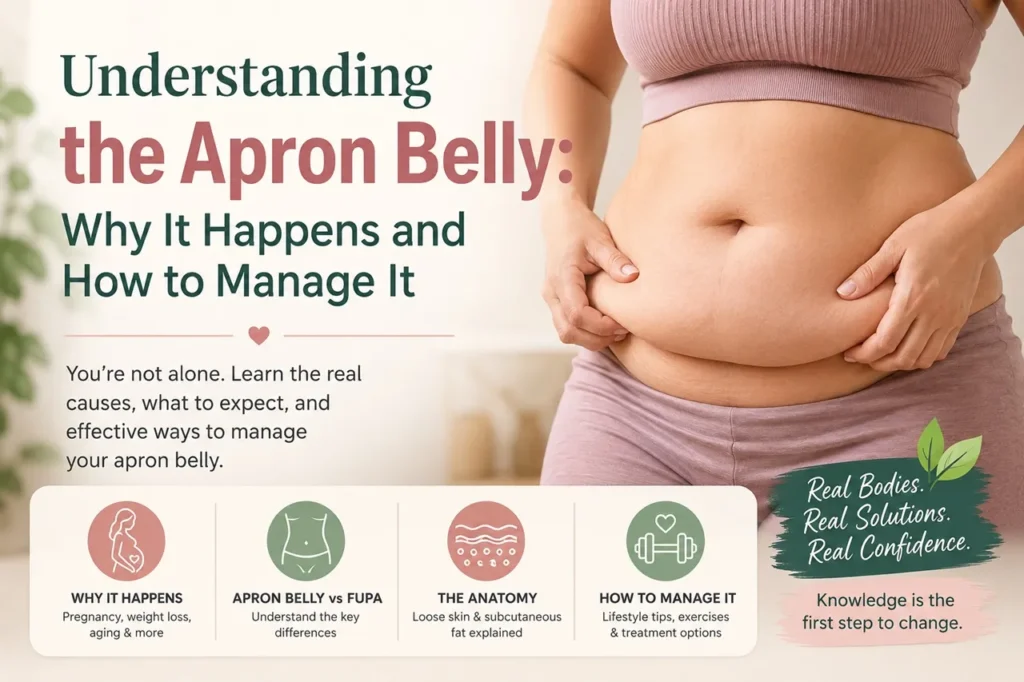
If you are managing bloating tied to apron belly or a persistent belly pooch, avoid twisting or high-intensity core work right after eating, as this can increase abdominal pressure rather than ease it. Scale movement to comfort, not habit.

6. One more thing that makes a difference
Posture during and after eating matters as much as movement itself. Slouched sitting compresses the abdomen and can slow the effect of any exercise to encourage bowel movement you attempt afterward.
Sit upright while eating, and avoid reclining immediately after. This small adjustment often makes post-meal walks noticeably more effective, since the digestive tract has more room to work.

7. Another angle worth knowing
Breathing pattern during a post-meal walk is an underused lever. Slow, deep breaths engage the diaphragm, which gently massages nearby organs and can support digestion alongside movement.
For example, someone who walks daily but breathes shallowly due to stress may see little change until they consciously slow their breathing pace to match their steps, pairing physical and nervous system calm.
FAQ about exercise to encourage bowel movement
What is the best exercise to stimulate my bowels?
Gentle walking after meals is widely considered the most accessible exercise to stimulate bowel movement, since it supports peristalsis without straining the digestive system.
How do you stimulate a bowel movement quickly?
A short, brisk-but-comfortable walk combined with upright posture and adequate hydration is a practical way exercise helps bowel movement in the short term.
What is the 3-3-3 rule for bowel movement?
The 3-3-3 rule is a rough guide suggesting that anywhere between three bowel movements a day and three a week falls within the normal range. It is a reference point rather than a clinical standard, so a change from your own usual pattern matters more than the exact number.
Can exercise replace diet changes for constipation?
Movement supports digestion, but it works alongside diet and hydration, not instead of them, so treat exercise to encourage bowel movement as one part of a routine.
How do you choose a routine you will stick with?
Choose based on comfort and consistency; a short daily walk you can sustain is more useful than an intense session you avoid or dread.
What mistakes cause cramping after a post-meal walk?
Avoid starting intense movement immediately after eating, skipping rest periods, or ignoring cramping, since these reduce the benefit of exercise to help bowel movement.
Is a daily walk after meals worth it?
Yes, for most people a brief daily walk after meals is a low-risk habit that supports regularity without requiring much time or effort.
What matters more: timing, intensity or type of exercise?
Compare timing, intensity, and consistency across a few routines, since these factors matter more than the specific type of movement chosen.
Recommended next steps
If post-meal walks feel manageable, the next step is pairing them with broader lifestyle review, including how clothing choices affect comfort during movement. Restrictive waistbands can discourage consistent walking, so it is worth checking our clothing guidance for options that support an active routine.
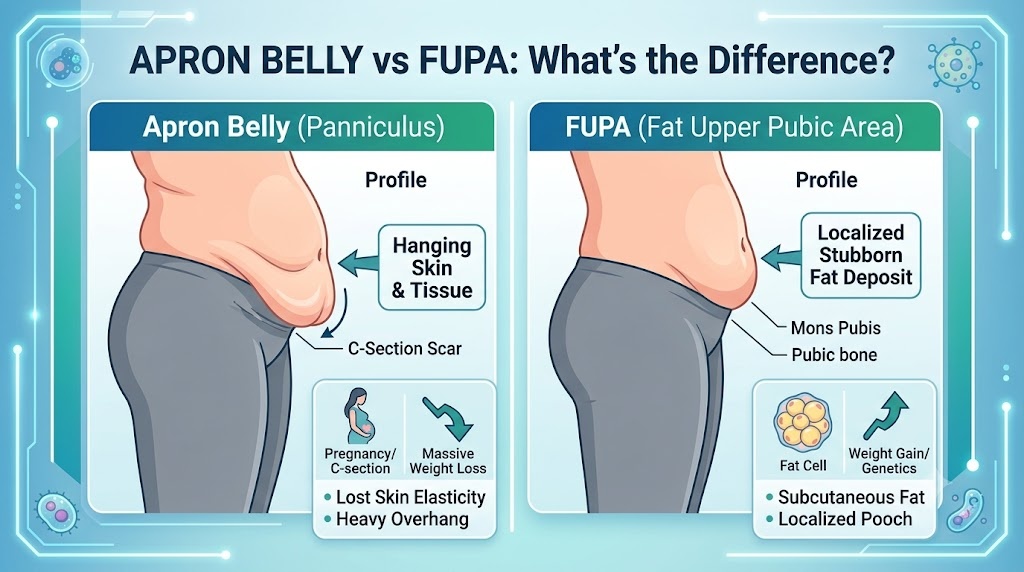
For readers dealing with a persistent apron belly or FUPA alongside digestive sluggishness, understanding the underlying causes can clarify whether exercise alone will help. Our causes overview explains common contributing factors in plain terms.
Finally, revisit this routine every few weeks. What works as exercise to encourage bowel movement now may need small adjustments as your schedule, diet, or comfort levels change, and starting again from the Apron Belly homepage is a simple way to review the full picture whenever needed.
Rachel has spent over a decade writing about women’s health, body composition, and post-pregnancy recovery for UK-based digital publications and NHS-adjacent health platforms. She holds a postgraduate certificate in science communication and has worked closely with physiotherapists and dietitians to translate clinical research into plain, usable advice. Her approach is straightforward: lead with what the evidence actually says, flag the limitations honestly, and skip the language that makes readers feel like a problem to be solved. She writes for people who have already Googled the optimistic version and want someone to level with them.