
Movement and digestion are more connected than most people realise. When you walk, jog, or even do gentle stretching, your gut responds: muscles contract, transit time shifts, and things start moving. But exercise helps bowel movement in ways that depend heavily on what type you do, when you do it, and how your body is already functioning.
This complete guide answers the most common questions plainly, so you can make informed choices rather than guessing.
Quick answers: how exercise helps bowel movement
The short version: yes, physical activity generally supports healthy bowel function. Exercise stimulates the muscles of the intestinal wall, speeds up gut transit time, and reduces the sluggishness that often leads to constipation. Even modest activity, such as a 20-minute walk, can make a noticeable difference for many people.
That said, not all movement works the same way. High-intensity exercise can temporarily divert blood flow away from the digestive system, which sometimes causes cramping or urgency rather than relief. Timing matters too. Exercising immediately after a large meal can cause discomfort, while morning movement on an empty stomach often produces the most reliable results for people trying to encourage a bowel movement.
Hydration is a factor that many people underestimate. Exercise increases fluid loss through sweat, and if you are not replacing that fluid, stools can become harder and more difficult to pass, which is the opposite of what you want. Drinking water before, during, and after exercise is part of making physical activity work for your gut, not against it.
Individual variation is real. People with irritable bowel syndrome, inflammatory bowel conditions, or pelvic floor dysfunction may find that certain exercises trigger symptoms rather than relieve them. If your gut is sensitive, the type and intensity of exercise matters more, not less.
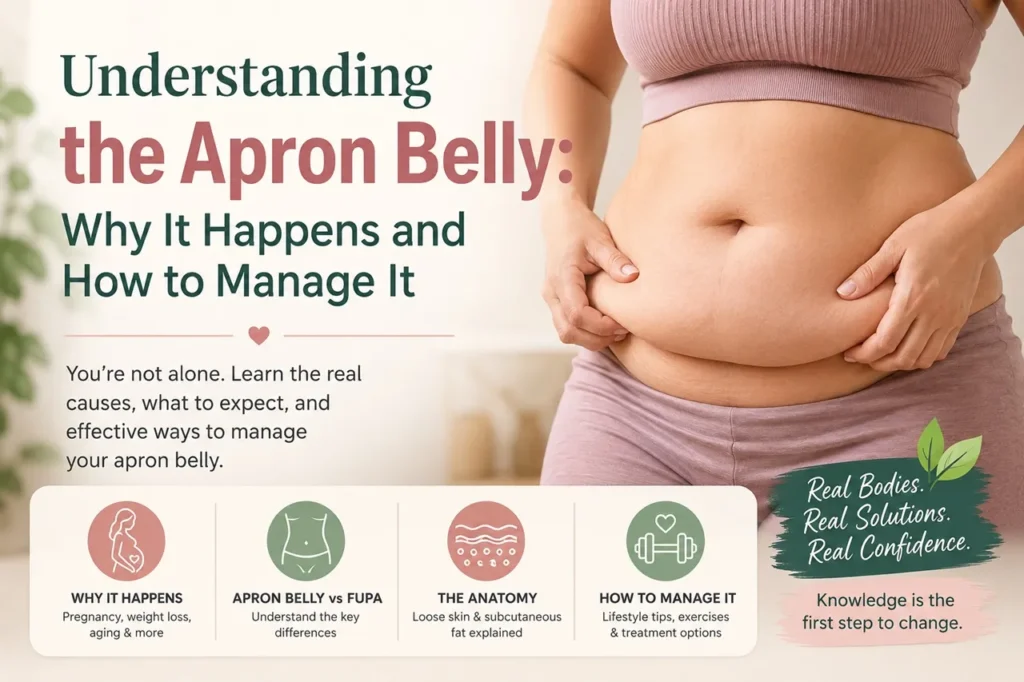
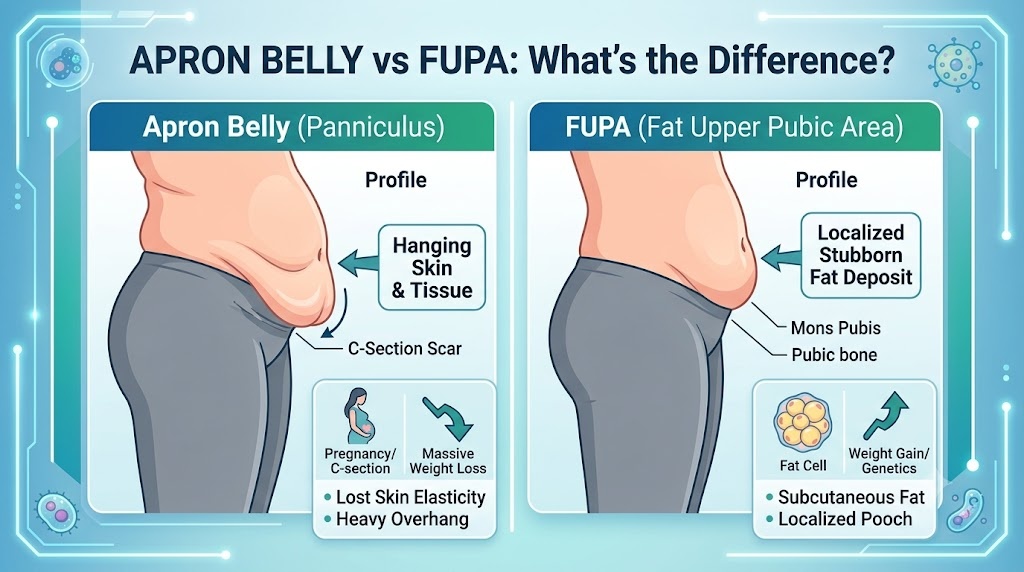
For a broader look at how lifestyle factors interact with abdominal concerns, Apron Belly: Understanding How to Manage provides useful context on the relationship between body composition, movement, and digestive health.
Common questions about exercise and bowel movement
How does exercise help bowel movement?
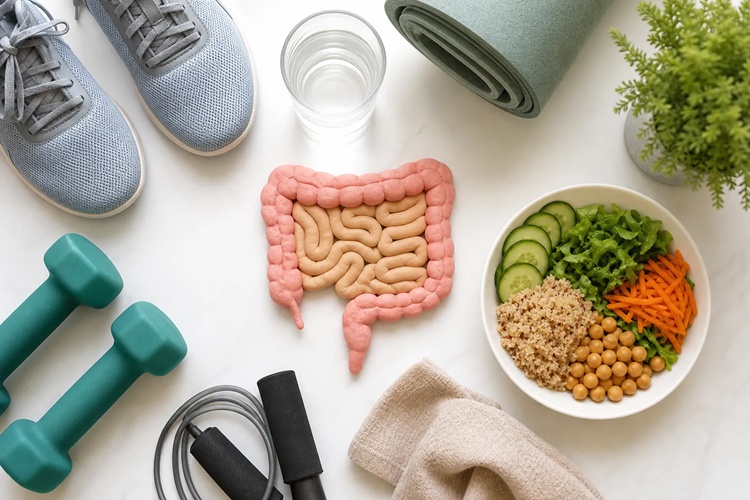
The most important baseline fact is that exercise helps bowel movement primarily by stimulating peristalsis, the wave-like muscle contractions that push food and waste through the digestive tract. This is a mechanical effect, not a placebo. Low-to-moderate intensity aerobic exercise tends to be the most consistently effective category. Walking, cycling, swimming, and light jogging all encourage gut motility without placing excessive stress on the body.
These activities are accessible to most people and carry a low risk of triggering the kind of gut distress that more intense exercise sometimes causes. Core-engaging movements also play a role. Exercises that activate the abdominal muscles, including certain yoga poses, diaphragmatic breathing exercises and gentle Pilates movements, can massage the intestines from the outside, helping to move gas and stool along.
This is why some people find that a short yoga session in the morning is more effective for bowel regularity than a hard run. Timing your exercise to help bowel movement is worth experimenting with. Many people find that morning activity, particularly before breakfast, aligns with the body’s natural gastrocolic reflex, the wave of gut activity that occurs after waking and after eating. Working with this reflex rather than against it can make exercise more effective for digestive purposes.
Consistency matters more than intensity. A daily 20-minute walk will do more for long-term bowel regularity than occasional intense gym sessions. The gut responds to routine, and building movement into your daily schedule creates a predictable stimulus that the digestive system can adapt to.
How do you choose the right approach?
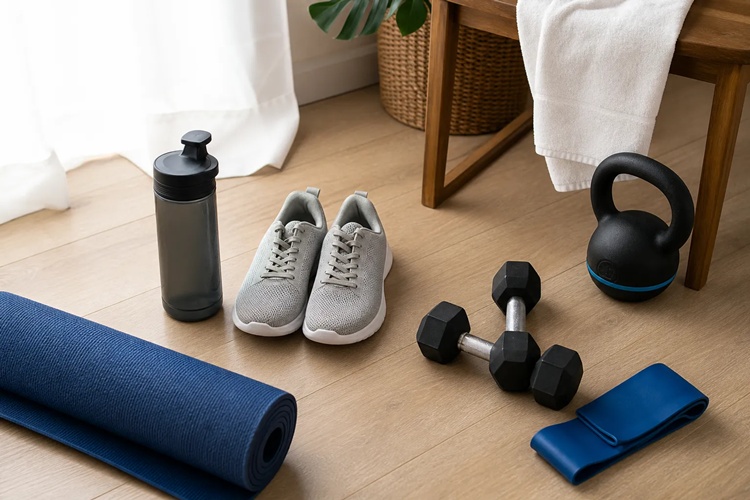
Choosing the right exercise to stimulate bowel movement depends on three practical criteria: your current fitness level, the nature of your digestive issue, and how your body responds to different intensities. If you are dealing with general sluggishness or mild constipation, walking is the most evidence-supported starting point. It is low-risk, easy to build into a routine, and effective for most people. Aim for at least 20 to 30 minutes at a brisk pace.
If walking alone is not producing results, adding some abdominal-focused movement, such as knee-to-chest stretches or gentle twisting yoga poses, can increase the effect. If you are already active but still experiencing irregularity, look at timing and hydration before changing your exercise type.
Many active people are mildly dehydrated, which counteracts the gut benefits of exercise. Shifting your workout to the morning and increasing fluid intake around exercise are often more effective adjustments than switching to a different activity entirely. If you have a diagnosed gut condition, speak with a healthcare professional before using exercise as a primary intervention.
Some conditions respond well to gentle movement and poorly to high-impact activity. Others may require specific pelvic floor work that a physiotherapist can guide you through. For a practical breakdown of specific movements and how they work, the guide on exercise to stimulate bowel movement covers seven targeted options with clear explanations of why each one works.
What mistakes should you avoid?
The most common mistake is exercising too intensely and expecting it to help. Vigorous exercise, particularly running at high effort, can cause the gut to slow down or become irritable during the session, leading to cramping, urgency, or diarrhoea rather than a comfortable, regular bowel movement. This is not the same as the gentle stimulation that moderate exercise provides. Exercising immediately after eating is another frequent error.
The digestive system needs blood flow and time to process a meal. Jumping into activity too soon competes with that process and can cause nausea, bloating, or discomfort. A gap of at least 60 to 90 minutes after a substantial meal is a reasonable guideline for most people. Neglecting hydration is a mistake that undermines everything else. If you are using exercise for bowel movement support but not drinking enough water, the net effect on stool consistency may be negative.
Fluid intake is not optional. It is part of the mechanism. Expecting immediate results from a single session is also unrealistic for most people. Exercise helps bowel movement most reliably when it is a consistent habit. One walk will not fix chronic constipation, but a week of daily walks often will.
Finally, ignoring red flags is a serious mistake. If you experience rectal bleeding, severe abdominal pain, unexplained weight loss, or a sudden change in bowel habits that does not resolve with lifestyle changes, these are not problems that exercise will solve. They require medical evaluation.
Recommended next steps
If you are looking to use exercise to help bowel movement more effectively, the practical next step is to start with consistency over intensity. A daily walk is a better foundation than occasional high-effort sessions. Add hydration, pay attention to timing, and give the approach at least one to two weeks before drawing conclusions.
For readers who want more specific guidance on which movements to try, the article on exercise to help bowel movement covers what the evidence supports and how to structure a simple routine around digestive health goals.
If you are also managing abdominal concerns such as an apron belly or lower belly pooch alongside digestive issues, it is worth understanding how these factors interact. Movement that supports gut health often overlaps with movement that supports core function and abdominal tone, making a consistent routine valuable on multiple levels.