
Exercises for better digestion and bowel health work because physical activity stimulates gut motility, the rhythmic muscular contractions that push waste through the large intestine. Moderate, consistent movement like a post-meal walk is more effective than a single intense workout.
Feeling blocked up is uncomfortable, and the instinct to reach for movement and exercise as a first response is well-founded. Physical activity has a real, measurable effect on how your gut moves waste along, and understanding that relationship helps you choose the right approach rather than simply hoping a random stretch will do the trick. This guide explains how exercise to help bowel movement actually works, what types of movement are most effective, and when the problem calls for something beyond a gentle walk around the block.
What does exercise to help bowel movement mean in practice?
Exercise to help bowel movement means using physical activity to stimulate gut motility and relieve sluggishness, bloating, or constipation. Even low-intensity movement, such as a brisk walk, can prompt the wave-like contractions that move stool toward the rectum.
When people search for exercise to help bowel movement, they are usually dealing with one of a few situations: they feel sluggish and bloated, they have not had a bowel movement in a day or two, or they experience chronic constipation that disrupts daily life. The good news is that movement and exercise do influence gut motility, the rhythmic muscular contractions that push waste through the large intestine.
The mechanism is fairly straightforward. Physical activity increases blood flow throughout the body, including the digestive tract, and it stimulates the enteric nervous system, the network of nerves embedded in the gut wall. This stimulation encourages peristalsis, the wave-like contractions that move stool toward the rectum. Even low-intensity movement, such as a brisk walk, can be enough to prompt this response.
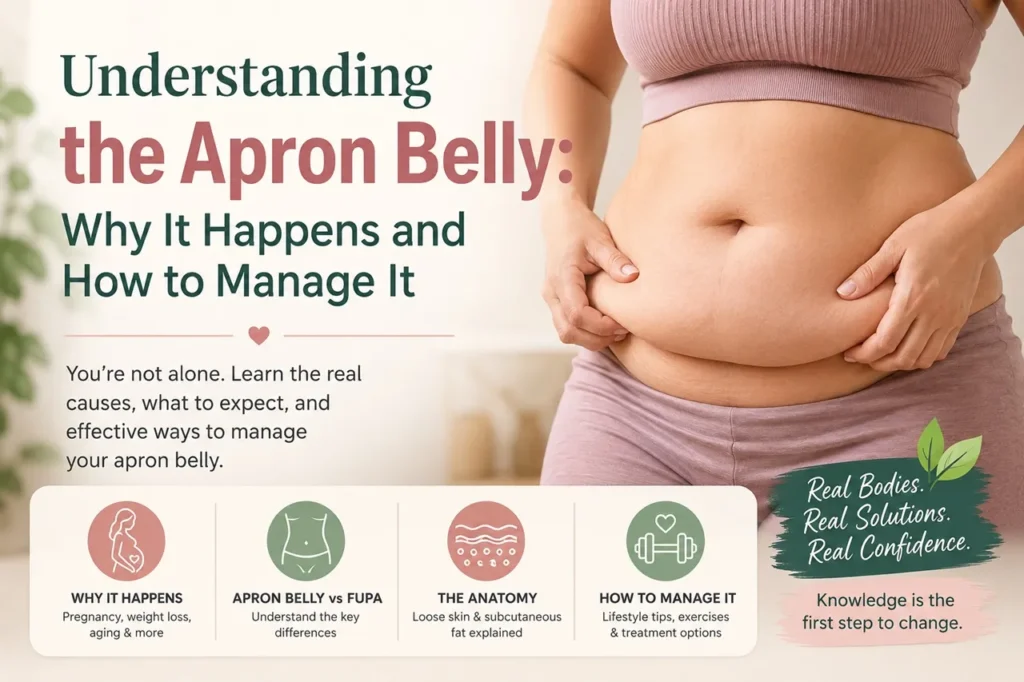
It is worth noting that the gut is sensitive to the whole body’s state. Stress, dehydration, a sedentary lifestyle, and a low-fibre diet all suppress motility. Exercise helps bowel movement partly by countering these factors directly: it reduces cortisol over time, encourages deeper breathing, and prompts people to drink more water. If you are also managing abdominal changes such as an apron belly, our guide to what an apron belly is explains the basics in plain English.
The key practical point is that exercise to stimulate bowel movement does not require intensity. High-intensity exercise can actually divert blood away from the gut temporarily, which is why marathon runners sometimes experience digestive distress mid-race. For most people dealing with constipation or sluggishness, moderate, consistent movement is more effective than a single hard workout.
How should you think about exercises for better digestion and bowel health?
The best approach depends on your current activity level, the nature of your constipation, and how you time your movement relative to meals. Understanding a few underlying principles matters more than following a fixed list of moves.
The core problem to understand

The large intestine has its own internal clock. Motility tends to be highest in the morning, particularly after waking and after the first meal of the day, a reflex called the gastrocolic response. This is why many people feel the urge to use the bathroom shortly after breakfast. Exercise to stimulate bowel movement is most effective when it works with this natural rhythm rather than against it.
If you are sedentary for most of the day, the colon slows down accordingly. Prolonged sitting compresses the abdomen, reduces core muscle engagement, and dampens the nerve signals that keep things moving. This is the core problem: it is not that your gut is broken, it is that it is responding rationally to a low-stimulation environment.
Exercise helps bowel movement by reintroducing the physical cues the gut is waiting for. A 20-minute walk after breakfast, for instance, combines the gastrocolic response with increased abdominal movement, upright posture, and diaphragmatic breathing, all of which encourage transit. The effect is cumulative too: people who exercise regularly tend to have faster overall gut transit times compared with those who are sedentary.
The practical decision criteria

Choosing the right exercise to help bowel movement depends on a few practical factors. First, consider intensity. Gentle to moderate aerobic exercise, such as walking, cycling at a comfortable pace, swimming or light jogging, is consistently well-supported for improving gut motility. These activities engage the core, promote diaphragmatic breathing, and increase circulation without diverting blood away from the digestive system.
Second, consider timing. Moving within 30 to 60 minutes after a meal takes advantage of the gastrocolic response. A short walk after lunch or dinner is a simple habit that many people find reliably effective. Exercising on an empty stomach in the morning can also work well, particularly if you drink a glass of water first, since hydration is a strong trigger for motility in its own right.
Third, consider specificity. Certain movements target the abdominal and pelvic region more directly. Gentle spinal twists, knee-to-chest stretches, and yoga-style poses such as the supine twist or wind-relieving pose apply mild pressure to the ascending and descending colon, which can help dislodge stool that has become sluggish. These are not a replacement for aerobic movement, but they are a useful addition, particularly for people who cannot walk long distances.
If you are managing both digestive concerns and changes to your abdominal shape, our guide to telling an apron belly from bloating is useful context.
Common mistakes to avoid
The most common mistake people make when using exercise to help bowel movement is treating it as a one-time fix rather than a consistent habit. A single yoga session will not resolve chronic constipation. The gut responds to patterns, not isolated events. Building a daily routine, even just a 15 to 20 minute walk, is far more effective than occasional bursts of intense activity.
A second mistake is ignoring hydration. Exercise to stimulate bowel movement works much better when you are adequately hydrated. Fibre in the diet absorbs water to form soft, bulky stool; without sufficient fluid intake, even a high-fibre diet can worsen constipation rather than relieve it. Drinking water before and after exercise supports both motility and stool consistency.

A third mistake is choosing the wrong intensity at the wrong time. Vigorous exercise immediately after a large meal can cause nausea and cramping, and it does not reliably improve motility in the short term. Similarly, very high-intensity training sessions can temporarily suppress gut function. If you are specifically trying to use movement and exercise to relieve constipation, moderate intensity is the right target.
Finally, some people focus entirely on abdominal stretches while remaining sedentary the rest of the day. Stretches and yoga poses have a role, but they are most effective as a complement to regular aerobic movement, not a substitute for it.
How do you apply exercises for better digestion and bowel health?
Start with a short walk after your first meal, add gentle abdominal stretches, and stay consistently hydrated. This approach requires no gym membership and works for most adults, including those who are not currently active.
Start with a short walk after your first meal of the day. Even 10 to 15 minutes is enough to engage the gastrocolic response and get things moving. If you can extend this to 20 to 30 minutes, the effect is stronger. Aim to do this consistently rather than occasionally, because regularity matters more than duration.
Then add a short routine of gentle abdominal movement in the morning or evening. The seven moves below take about ten minutes in total. Work through them in order. Each one suits most fitness levels, but stop if you feel sharp pain.
- Knee-to-chest pulls: lie on your back and draw one knee towards your chest. Hold for five seconds, then switch sides. Continue for one minute.
- Seated torso twists: sit upright in a chair and rotate slowly to the left, then to the right. Complete ten repetitions on each side.
- Cat-cow: on all fours, slowly arch your spine and then round it. Keep cycling for 90 seconds.
- Diaphragmatic breathing: lie flat and breathe deeply into your belly for two minutes. Let your abdomen rise and fall with each breath.
- Standing hip circles: stand with your feet shoulder-width apart. Circle your hips slowly in each direction for one minute.
- Brisk walk: even ten minutes counts. The gentle up-and-down motion of walking helps nudge the colon along.
- Child’s pose: kneel, then fold forward with your arms extended. Hold for 60 seconds to release tension across the abdomen.
The twists and knee pulls apply light pressure along the colon. The breathing and child’s pose help your body relax into a rest-and-digest state. Repeat the routine daily, because consistency matters more than intensity.
Toilet posture
How you sit on the toilet also affects how easily stool passes. Resting your feet on a small footstool raises your knees slightly above your hips. This straightens the anorectal angle, so you can empty your bowels with less straining.
A footstool does not replace regular movement, but it complements it well. After your morning routine, a better seated position gives your body every mechanical advantage. It is also a cheap change that is easy to keep up.
The Role of Yoga
If you practise yoga or are open to trying it, poses such as the seated forward fold, the supine twist, and the child’s pose are commonly recommended for digestive support. They combine gentle abdominal compression with deep breathing, which activates the parasympathetic nervous system, the rest-and-digest state that supports gut motility.
Drink water consistently throughout the day, and particularly before and after exercise. Most adults should aim for around 1.5 to 2 litres of fluid a day, unless a doctor has advised otherwise. When you are short of fluid, the colon draws extra water from stool. This makes it harder and slower to pass. A glass of warm water or warm herbal tea first thing in the morning is a simple habit that many people find helpful for regularity.
Adjusting the routine when your situation changes
Travel, illness or a change in diet can easily disrupt your rhythm. When that happens, scale back rather than stopping altogether. A short walk and a few minutes of breathing exercises are often enough to keep the habit going.
If you are recovering from surgery or have a pelvic floor condition, some floor-based moves may need changing. A pelvic health physiotherapist can suggest safe alternatives. After an operation, check with your surgeon or GP before you restart exercise.
One important caveat: if you have been constipated for more than a week, if you notice blood in your stool, if you have unexplained abdominal pain, or if constipation is a new and persistent symptom, these are reasons to speak to a GP rather than try another stretch routine. Exercise helps bowel movement in the context of functional, lifestyle-related sluggishness. It is not a treatment for underlying medical conditions.
How to tell if the routine is working
After a week, note whether your bowel movements feel easier, more comfortable or more frequent. Change is usually gradual rather than dramatic. Signs that the routine is helping include:
- Less bloating after meals
- More predictable timing
- Less straining on the toilet
Review your progress after 10 to 14 days of consistent effort. Full results can take two to three weeks, but you should notice some early signs by then. If nothing has changed, look again at your fluid intake, fibre and daily activity. If you notice worsening discomfort, blood in your stool or unexplained weight loss, stop self-managing and see your GP promptly.
FAQ about exercises for better digestion and bowel health
How do you stimulate a bowel movement quickly?
A short brisk walk combined with a glass of water is one of the most reliable quick approaches. Gentle knee-to-chest stretches or a seated spinal twist can also help by applying mild pressure to the colon.
What is the 3-3-3 rule for bowel movement?
The 3-3-3 rule is a rough guide suggesting that anywhere between three bowel movements a day and three a week falls within the normal range. It is a reference point rather than a clinical standard, so a change from your own usual pattern matters more than the exact number.
Where to press to stimulate bowel movement?
Gentle abdominal massage along the colon, starting at the lower right abdomen and moving upward, across and down the left side, follows the direction of waste transit and can encourage movement. Always use light pressure only.
What will trigger a bowel movement?
Common triggers include eating a meal, physical movement, a warm drink and good hydration. Eating sets off the gastrocolic reflex, which increases contractions in the colon. A short walk after food combines several of these triggers at once.
When is the best time to exercise for a bowel movement?
Gentle movement after meals works well for most people. Eating triggers the gastrocolic reflex, which naturally increases activity in the colon. A 10 to 20 minute walk within an hour of eating builds on that response. Keeping to a similar time each day also helps.
Does exercise intensity matter for digestion?
Consistency matters more than intensity. Regular moderate movement, such as daily walking, has a stronger effect on gut motility than occasional vigorous exercise sessions.
Which type of exercise should you start with?
Match the exercise to your current fitness level and daily schedule. Walking after meals is the most accessible starting point; yoga-style twists and stretches are a useful addition for targeted abdominal stimulation.
What mistakes reduce the benefit of exercise for digestion?
Avoid treating exercise as a one-off fix, neglecting hydration, and substituting abdominal stretches for regular aerobic movement. All three reduce how effective exercise to stimulate bowel movement can be.
Is daily exercise worthwhile for bowel health?
Yes. Daily moderate movement is one of the most evidence-consistent lifestyle habits for supporting regular bowel function, and it carries no meaningful downside for most healthy adults.
What else should you look at besides exercise?
Compare your current activity level, hydration habits, and diet before adding new exercises. Often, addressing one of these factors alongside movement and exercise produces a noticeably better result than exercise alone.
How long does it take for exercise to improve bowel health?
Most people should allow two to three weeks of consistent daily movement before judging results. The gut responds to sustained patterns, so improvements in transit time and regularity tend to appear gradually rather than overnight.
Which is best for digestion: walking or yoga?
Walking is best for systemic stimulation because it engages the whole body and triggers the gastrocolic response after meals, while yoga twists are best when you want targeted abdominal compression. Combining both gives you aerobic circulation and localised colon stimulation in one routine.
Recommended next steps
If you are dealing with occasional sluggishness, the most practical starting point is a consistent post-meal walk combined with adequate daily hydration. Add a short routine of gentle abdominal stretches in the morning, and give the habit at least two to three weeks before judging its effectiveness, because the gut responds to patterns, and change tends to be gradual.
If you want to go further, use the seven-move routine above to target the colon more directly. Building a short daily movement routine that combines aerobic activity with targeted stretches gives you the best of both approaches: systemic stimulation from walking or cycling, and localised support from twists and compression poses.