You cannot burn fat from your FUPA alone, but you can make it smaller. Lose overall body fat with a steady calorie deficit. Add deep core exercises and strength training, and manage stress. If the bulge is mostly loose skin after pregnancy or weight loss, exercise will not remove it. Surgery or other treatments may then help.
Key takeaways
- A FUPA is a layer of fat that sits above the pubic bone.
- You cannot spot-reduce it. Losing overall body fat makes it smaller.
- Pelvic tilts, dead bugs and low planks strengthen the deep core beneath it.
- Protein, fibre, water and stress control all support steady fat loss.
- If the bulge is loose skin, exercise alone may not remove it.
The good news is that a FUPA isn’t something you have to accept forever. In many cases, reducing excess lower abdominal fat comes down to combining full-body fat loss with the right strength training, deep core exercises, and healthy lifestyle habits. However, if the bulge is due to loose skin after pregnancy or major weight loss, exercise alone may not eliminate it.
This guide explains what a FUPA really is, why it develops, and the science behind losing stubborn lower ab fat. You’ll also learn which exercises strengthen your core, how nutrition supports fat loss, and how to tell whether you’re dealing with fat, loose skin, or a combination of both. By the end, you’ll have a realistic, evidence-based plan to build a stronger core and achieve lasting results.
What Exactly Is a FUPA?
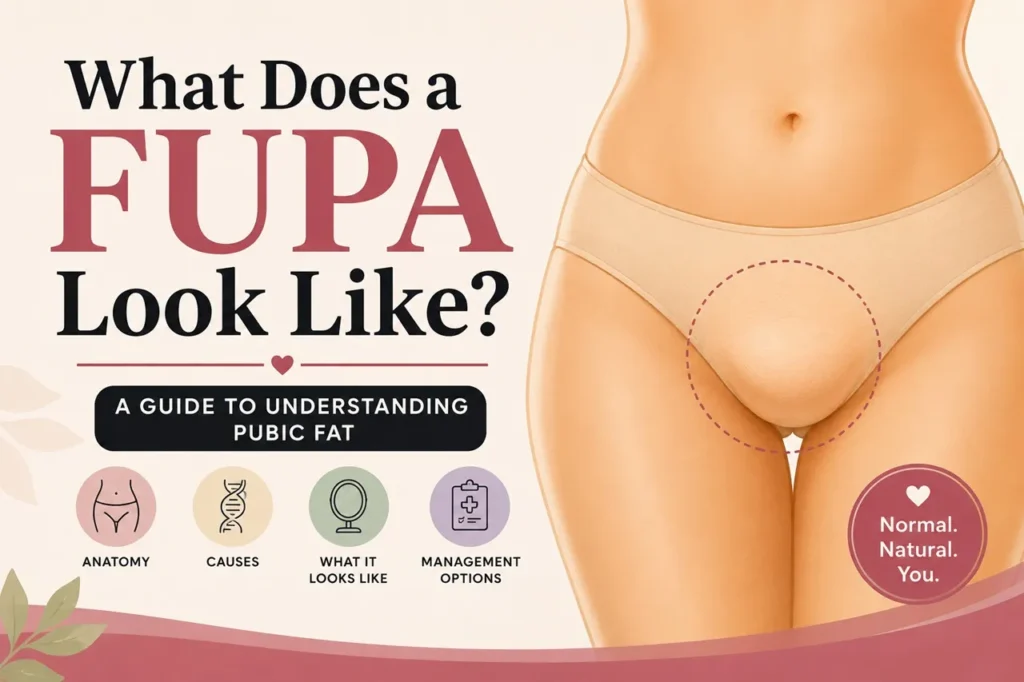
A FUPA stands for Fat Upper Pubic Area. It refers to the layer of subcutaneous fat that sits above the pubic bone and below the lower abdomen.
Unlike visceral fat, which surrounds internal organs, a FUPA is made up mainly of subcutaneous fat stored beneath the skin. This is why the area often feels soft and can remain even after you’ve lost weight.
Many people confuse a FUPA with general lower belly fat, but the pubic fat pad is a specific area influenced by genetics, hormones, and body composition.

Why Do You Have a FUPA?
A FUPA usually comes from a mix of genes, hormones, pregnancy changes and weight gain. There isn’t one single cause.
Genetics
Your genes play a major role in where your body stores fat. Some people naturally carry more weight around the lower abdomen and pubic region.
Hormonal Changes
Hormones influence fat distribution. High cortisol levels caused by chronic stress may encourage the body to store more fat around the abdomen.
Diastasis Recti
Pregnancy may separate the abdominal muscles, a condition called diastasis recti. This can make the lower abdomen appear larger even when body fat is relatively low.
Weight Gain
Consuming more calories than your body burns over time leads to fat storage, including around the lower stomach.
Can You Really Spot-Reduce a FUPA?
The simple answer is no.
The idea that hundreds of sit-ups will burn fat from one specific area is known as the spot reduction myth. Research consistently shows that your body decides where it loses fat first based on genetics and hormones.
The most effective approach is creating a moderate calorie deficit through healthy eating while increasing daily activity and strength training. As your overall body fat percentage decreases, your FUPA usually becomes smaller too. In the meantime, shapewear for a FUPA can smooth the area under clothing while lifestyle changes take effect.
The Best Exercises to Strengthen Your Lower Core

Exercise won’t burn FUPA fat only from your lower stomach, but it will strengthen the muscles beneath and improve your overall body composition.
1. Pelvic Tilts
Pelvic tilts engage the deep abdominal muscles and improve pelvic stability. They’re especially useful after pregnancy.
Recommended: 2 to 3 sets of 12 to 15 repetitions.
2. Dead Bugs
Dead bugs target the transverse abdominis, the deepest core muscle responsible for stability.
Keep your lower back pressed into the floor throughout each repetition.
3. Low Planks
Low planks improve core stability and strengthen the entire abdominal wall without putting excessive strain on your back.
Hold for 20 to 60 seconds.
4. Reverse Crunches
Reverse crunches place greater emphasis on the lower abdominal muscles than traditional crunches.
Perform the movement slowly and avoid using momentum.
5. Walking and Strength Training
Daily walking combined with resistance training is one of the most effective ways to reduce body fat.
Aim for:
- 8,000 to 10,000 steps most days
- Two to four strength-training sessions each week
- Progressive overload as you become stronger
Diet and Lifestyle Adjustments for Lasting Results
Doing FUPA exercises alone isn’t enough. Nutrition plays the biggest role in reducing body fat.
Prioritise Protein
Protein helps preserve muscle while you’re losing weight and keeps you feeling full for longer.
Include lean meat, fish, eggs, Greek yoghurt, beans, or tofu in your meals.
Eat More Fibre
High-fibre foods improve satiety and support digestive health.
Choose vegetables, fruit, oats, lentils, and whole grains regularly.
Stay Hydrated
Water supports normal bodily functions and may help reduce unnecessary snacking due to thirst.
Manage Stress
Long-term stress raises cortisol, which can influence appetite and make healthy habits harder to maintain.
Simple habits like walking, meditation, deep breathing, or spending time outdoors can help.
Fat or Loose Skin?
Sometimes the bulge isn’t caused entirely by fat.

If you’ve lost a large amount of weight, you may be dealing with post weight loss skin laxity rather than excess fat.
When Exercise Isn’t Enough
If loose skin causes discomfort or hygiene problems, medical treatments may be worth discussing with a healthcare professional.
Possible options include:
- Non-invasive body contouring
- Liposuction (for suitable candidates)
- Panniculectomy
- Tummy tuck (abdominoplasty)
These procedures address different concerns, so a qualified surgeon can advise which option, if any, is appropriate.
Frequently Asked Questions
Most people notice gradual changes over 3 to 6 months. Consistency with nutrition and exercise matters more than quick fixes.
Yes, walking increases calorie expenditure and supports overall fat loss, especially when combined with a balanced diet.
No. Crunches strengthen abdominal muscles but don’t specifically burn fat from the pubic area.
Yes. Men can develop excess fat above the pubic bone due to weight gain, genetics, or ageing.
A FUPA specifically refers to an upper pubic fat pad sitting right above the pubic bone, whereas regular belly fat covers the entire midsection.
Final Thoughts
Learning how to get rid of a FUPA starts with realistic expectations. You can’t target fat loss in one area, but you can reduce overall body fat through a sustainable calorie deficit, regular strength training, daily movement, and better lifestyle habits.
Stay patient, focus on consistent progress rather than perfection, and remember that if your lower belly is mostly loose skin after pregnancy or major weight loss, exercise alone may not eliminate it. In those cases, speaking with a qualified healthcare professional can help you understand the available treatment options.