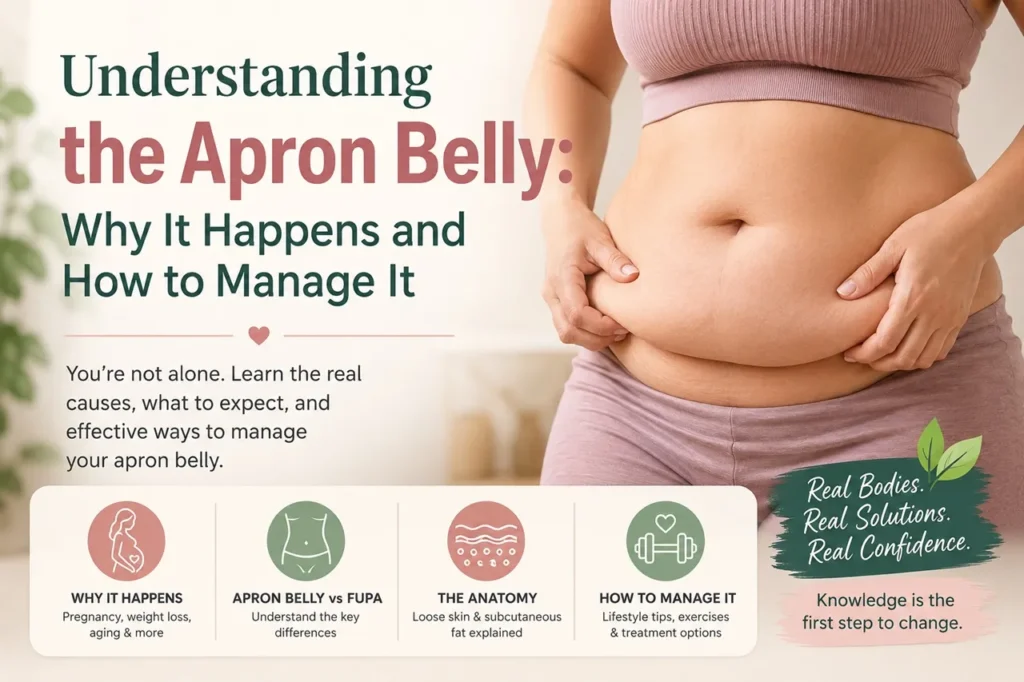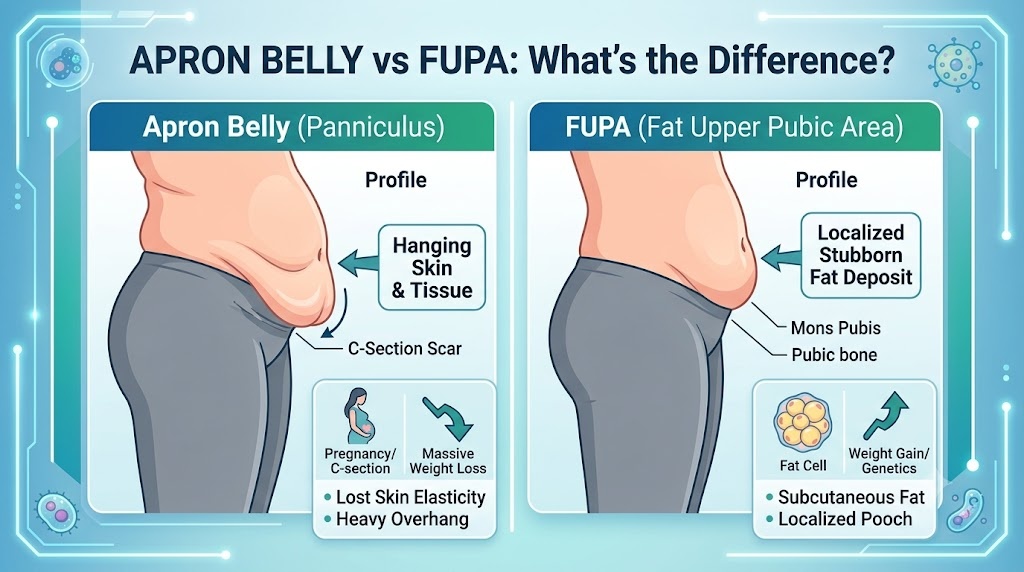


A heavy, low-hanging lower belly often makes fast or jarring exercise feel wrong, even when you still want to move your body and support your core. Exercise involving controlled movement offers a middle path: slow, deliberate work that builds strength and stability without the strain of jumping, twisting, or crunching. This approach pairs naturally with movement and exercise habits already recommended for apron belly concerns, and many people find that gentle, rhythmic apron belly exercises also support digestion, since exercise helps bowel movement by encouraging regular abdominal contraction and blood flow. This guide walks through a practical, step-by-step way to build a controlled-movement routine, check whether it is helping, and adjust it as your body changes.
Quick answer: how to approach exercise involving controlled movement
The short version: start with breath-led bracing, move through slow ranges of motion, and prioritise consistency over intensity. Exercise involving controlled movement is not about doing less; it is about doing the right amount of tension, in the right sequence, without shock loading a heavy lower belly.
In practice, this looks like:
- Begin each session with two to three minutes of diaphragmatic breathing while lying down or seated.
- Layer in a gentle abdominal brace, holding it through slow, supported movements like pelvic tilts or heel slides.
- Progress to standing or seated stability work once the brace feels automatic, not effortful.
- Finish with a short walk or gentle mobility sequence to encourage circulation.
This sequence reflects how movement and exercise should build gradually for anyone managing a heavy or apron-style belly. A common pitfall is skipping the breathing step and jumping straight to movement, which often reintroduces the bearing-down sensation that controlled work is designed to avoid. Check in after each session: if you feel more tension or heaviness than before you started, the pace was likely too fast rather than too slow.
Step-by-step process for exercise involving controlled movement
Controlled-movement training works best as a repeatable sequence rather than a one-off session. The following steps are designed to be followed in order, each time you exercise.
Prepare the right setup

Before any apron belly exercises begin, set up your space so that pace and support are easy to maintain. Choose a firm, flat surface such as a yoga mat on hard flooring rather than a soft bed, since a stable surface makes it easier to feel your own bracing.
- Wear clothing that does not dig into the lower abdomen, as tight waistbands can distort your sense of core engagement.
- Have a cushion or rolled towel nearby to support your lower back during floor work.
- Set a timer for five to ten minutes rather than aiming for a fixed number of repetitions.
- Decide in advance which two or three movements you will do, so you are not improvising mid-session.
A common early mistake is starting on an unstable surface, like a sofa cushion, which forces small stabilising muscles to overwork before the main exercise even begins. If your setup feels wobbly or rushed, pause and adjust it before continuing; this preparation stage matters as much as the movement itself for exercise involving controlled movement.
Follow the core process

Once your setup is ready, move through the sequence slowly and in a fixed order rather than skipping around.
- Start lying on your back with knees bent, feet flat, and hands resting on your lower belly.
- Inhale through the nose, letting the belly rise gently without forcing it.
- Exhale slowly while drawing the navel in and slightly up, as if bracing for a light tap on the stomach.
- Hold that brace for three to five seconds, then release fully before repeating.
- Add movement only once the brace feels steady: try a pelvic tilt, a single heel slide, or a supported bridge, always exhaling on the effort phase.
- Repeat each movement for six to eight slow repetitions, resting between sets rather than rushing through them.
This is the heart of apron belly exercises built around movement and exercise principles: tension is created through breath and control, not speed. It is also worth noting that this kind of rhythmic, low-impact core work is often mentioned alongside general activity guidance because exercise helps bowel movement, particularly when done consistently rather than sporadically. A frequent pitfall here is holding the breath during the brace, which increases intra-abdominal pressure rather than building real core support; keep exhaling steadily through each effort phase instead.
Check whether it is working

Progress with controlled-movement training is usually felt before it is seen, so build in simple checks rather than waiting for visible change.
- After two weeks, note whether the brace feels easier to find and hold without conscious effort.
- Pay attention to whether standing posture feels more supported by midday, when heaviness often peaks.
- Track whether digestion feels more regular, since exercise helps bowel movement for many people through consistent, gentle core activation.
- Compare how your lower belly feels immediately after a session versus before; mild lightness is a good sign, while increased strain is not.
If none of these checks show improvement after three to four weeks of steady practice, it is a signal to revisit form rather than assume the approach itself has failed. Common pitfalls at this stage include increasing repetitions too quickly instead of refining technique, which can stall progress in movement and exercise routines built for a heavy lower belly.
Avoid the common mistakes
Even well-intentioned controlled-movement routines can go wrong in predictable ways. A frequent problem with controlled movement is treating slow as synonymous with easy, then unconsciously rushing once fatigue sets in.
- Do not hold your breath through effort; this raises pressure on the lower belly rather than relieving it.
- Avoid returning to crunch-style sit-ups too early, since these often feel counterproductive for a heavy or overhanging belly.
- Do not skip the cool-down walk or gentle stretch, as abrupt stopping can leave muscles tight rather than relaxed.
- Watch for compensating with the neck or shoulders instead of the core; this usually means the brace has been lost.
Checking your form against these points every few sessions helps keep apron belly exercises effective and comfortable, rather than something you dread doing. If you are unsure how heaviness relates to your specific situation, it can help to read more broadly about apron belly causes before adjusting your routine further.
When to adjust your controlled movement routine
Controlled movement is not a fixed prescription; it should shift as your body responds. Adjust your approach if any of the following apply.
- If bracing feels effortless and boring after several weeks, gradually extend hold times or add light resistance, such as a resistance band, rather than switching to high-impact work.
- If a session leaves you feeling sore in the back rather than the core, reduce range of motion and revisit your setup and posture cues.
- If digestion or bowel regularity has not improved despite consistent practice, consider pairing movement and exercise with broader lifestyle factors like hydration and fibre intake, which are covered in more detail on pages about diet and apron belly management.
- If clothing feels uncomfortable during or after sessions, it may be worth revisiting guidance on supportive clothing for apron belly so that garments are not restricting movement.
The goal is to keep exercise involving controlled movement responsive to how your body actually feels each week, not locked to a routine that no longer fits. A helpful check is a monthly review: if nothing has changed in comfort, strength, or regularity, that is the moment to revisit intensity, frequency, or supporting habits rather than pushing harder on the same plan.
FAQ about exercise involving controlled movement
Why does controlled movement suit a heavy lower belly?
It prioritises breath and bracing over speed, making it suitable when jumping or crunching feels uncomfortable. Movement and exercise here focus on control, not intensity, which supports steady apron belly exercises.
Which movements should you start with?
Start with breathing and gentle bracing, then add movements only once the brace feels stable and pain-free. Choose apron belly exercises that match your current comfort level, adjusting pace rather than skipping steps.
What are the most common form mistakes?
Avoid holding your breath during effort and rushing through repetitions instead of maintaining slow control. These mistakes can undermine both movement and exercise progress and reduce how much exercise helps bowel movement.
Can you do controlled movement work every day?
Yes, for most people it is sustainable daily or near-daily, since the low-impact nature suits a heavy lower belly better than high-intensity training. Consistency matters more than duration for lasting results.
How do you know if controlled movement is right for you?
Compare how your body responds to controlled work versus higher-impact routines, focusing on comfort, soreness, and digestion. This comparison helps confirm whether apron belly exercises built around movement and exercise are the right fit.
Recommended next steps
Begin with a short, consistent controlled-movement routine this week: five to ten minutes of breath-led bracing and slow, supported movements, checked against the pitfalls outlined above. As comfort builds, extend hold times or add gentle resistance rather than switching to high-impact training.
Because exercise involving controlled movement works best alongside broader habits, it is worth exploring related guidance on the Apron Belly homepage for a fuller picture of causes, diet, and clothing considerations that support movement and exercise over time. Keep sessions steady rather than sporadic, since exercise helps bowel movement most reliably when practised consistently, and revisit your routine every few weeks to make sure it still matches how your body feels.
Rachel has spent over a decade writing about women’s health, body composition, and post-pregnancy recovery for UK-based digital publications and NHS-adjacent health platforms. She holds a postgraduate certificate in science communication and has worked closely with physiotherapists and dietitians to translate clinical research into plain, usable advice. Her approach is straightforward: lead with what the evidence actually says, flag the limitations honestly, and skip the language that makes readers feel like a problem to be solved. She writes for people who have already Googled the optimistic version and want someone to level with them.