

 20 Aug 2026
 8 min read
Sitting at a desk for hours compresses the abdomen, slows peristalsis, and leaves many people feeling bloated and backed up by mid-afternoon. The good news is that targeted movement and exercise can nudge a sluggish gut back into action without requiring a gym visit or a dramatic routine overhaul. This guide walks through a realistic, office-and-home approach to using exercise for bowel movement relief — one that fits around a working day rather than disrupting it.
Quick answer: how to approach exercise for bowel movement
When your gut feels stalled after long periods of sitting, the priority is restoring blood flow to the digestive tract and gently stimulating the muscles that drive waste through the colon. Exercise helps bowel movement primarily by increasing intestinal contractions — a process called peristalsis — and by reducing the intra-abdominal pressure that builds up when you sit hunched over a screen.
The most effective starting point is not a high-intensity workout. A brisk ten-minute walk, combined with deliberate abdominal breathing and adequate water intake, is enough to shift things for most people. Movement and exercise do not need to be strenuous to be effective; consistency and timing matter more than intensity.
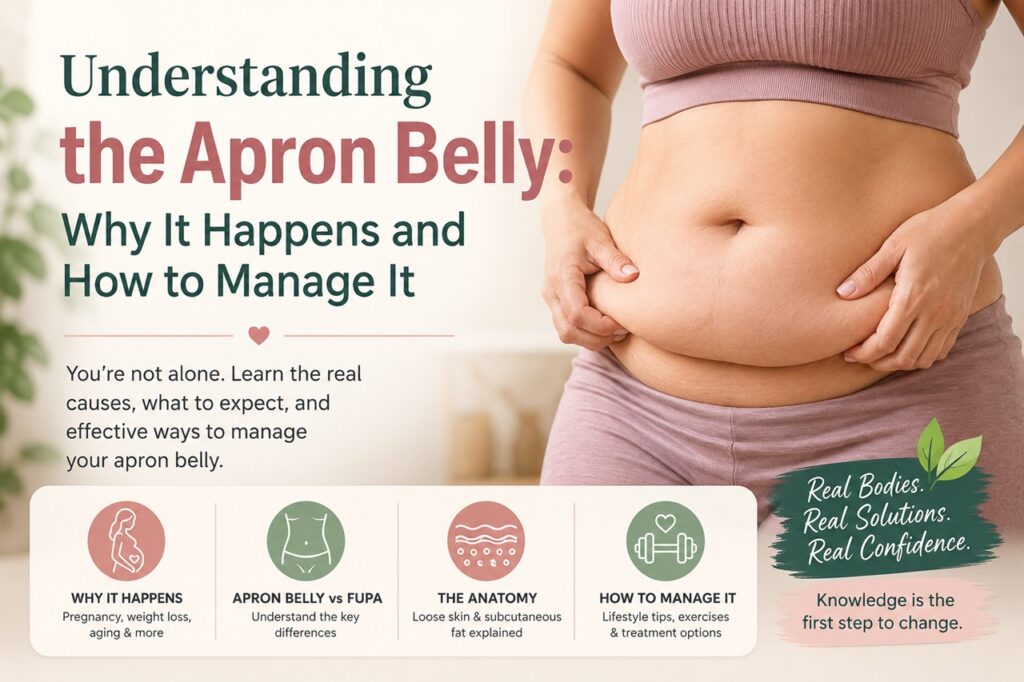
If you carry weight around the lower abdomen, you may already be familiar with how posture and gut comfort interact. The apron belly plain-English guide covers how abdominal fat distribution affects core mechanics, which is relevant context for anyone whose digestive sluggishness is linked to how they sit and carry weight.
The process below is designed to be done in stages across a working day — not as a single session.
Step-by-step process for exercise for bowel movement
Understanding apron belly and gut health helps explain why sedentary habits affect digestion so directly. When the abdominal wall is under sustained pressure from sitting, the colon has less room to contract freely. The steps below address this systematically, starting with preparation and moving through the core movement sequence.
Prepare the right setup

Before you begin any exercise to help bowel movement, sort out two practical prerequisites: hydration and timing.
Drink a full glass of water — roughly 250 to 300 ml — before you start moving. Dehydration is one of the most common reasons stool becomes hard to pass, and exercise accelerates fluid loss. If you have been sitting for several hours and drinking little, rehydrating first makes the subsequent movement far more effective.
Timing also matters. The colon is most active in the morning and after meals, a pattern driven by the gastrocolic reflex. If you can schedule your movement breaks to coincide with these windows — particularly the 20 to 30 minutes after eating — exercise helps bowel movement more reliably than random activity throughout the day.
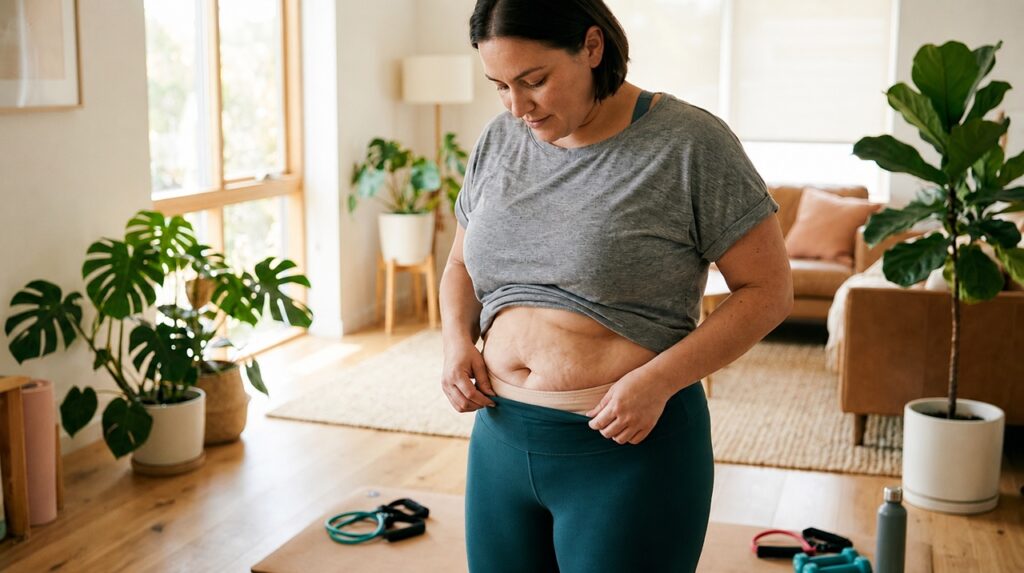
Wear comfortable clothing that does not constrict the waist. Tight waistbands and belts reduce abdominal mobility and can counteract the benefit of movement.
Follow the core process

Work through these steps in order, ideally starting with the first break after lunch.
Start with a ten-minute brisk walk. Walking engages the hip flexors and core, creates rhythmic abdominal compression, and triggers intestinal contractions. Keep the pace quick enough that your breathing deepens slightly. This alone is the single most accessible form of exercise to help bowel movement for office workers.
After the walk, spend two to three minutes on diaphragmatic breathing. Stand or sit upright, place one hand on your lower belly, and breathe in slowly through the nose so that your hand rises. Exhale through the mouth. This activates the diaphragm, which massages the transverse colon with each breath cycle. It is a quiet, discreet technique that can be done at a desk.
Add gentle torso rotations. Stand with feet hip-width apart and rotate your upper body slowly from side to side, letting your arms swing loosely. Do this for one to two minutes. The twisting motion compresses and releases the ascending and descending colon alternately, which encourages movement through the digestive tract.
If you are at home, add a set of supine knee-to-chest pulls. Lie on your back, bring both knees toward your chest, and hold for ten seconds before releasing. Repeat eight to ten times. This movement directly massages the lower colon and is one of the more targeted exercises to stimulate bowel movement available without any equipment.
Finish with another short walk of five minutes to keep circulation elevated.
Check whether it is working
Exercise helps bowel movement within a predictable window for most people. Expect results within 20 to 60 minutes of completing the sequence above, particularly if you timed it after a meal.
Signs that the approach is working include audible gut sounds (borborygmi), a sensation of movement or pressure in the lower abdomen, and — eventually — a successful bowel movement. If you notice these signals, do not ignore them. Delaying when the urge arises can cause the signal to pass and the stool to reabsorb water, making it harder to pass later.
If nothing happens after one session, that is not a failure. Movement and exercise work cumulatively. Repeating the sequence across two or three days usually establishes a more regular pattern. Track whether your timing, hydration, and fibre intake are consistent — these variables interact with exercise to help bowel movement in ways that are easy to overlook.
Avoid the common mistakes
The most frequent mistake is treating exercise for bowel movement as a one-off fix rather than a daily habit. A single walk will sometimes produce results, but the real benefit comes from consistent movement breaks every 60 to 90 minutes throughout the working day.
A second mistake is exercising too vigorously when constipated. High-intensity exercise diverts blood flow away from the digestive tract toward the muscles, which can temporarily slow gut motility rather than improve it. Moderate, rhythmic movement — walking, gentle yoga, torso rotation — is more effective than a sprint.
Skipping water intake is another common error. Exercise to help bowel movement works partly by softening stool, and that requires adequate hydration. Aim for at least 1.5 to 2 litres of water across the day, not just around exercise sessions.
Finally, avoid sitting back down immediately after your movement break. Returning to a static, compressed posture within minutes of finishing your walk reduces the benefit. If possible, stand or move lightly for another ten minutes before settling back at your desk.
When to adjust your exercise for bowel movement approach
Most people see improvement within a few days of adding consistent movement breaks. However, there are situations where the standard approach needs adjusting.
If you have been constipated for more than three days despite regular movement and adequate hydration, the cause may be dietary rather than postural. Review your fibre intake — most adults in the UK fall well short of the recommended 30 grams per day. Adding vegetables, legumes, and wholegrains to meals will support what exercise starts.
If you experience pain during bowel movements, blood in the stool, or a sudden change in your usual pattern that persists beyond two weeks, stop self-managing and speak to a GP. Exercise for bowel movement is appropriate for functional sluggishness linked to sedentary habits, not for symptoms that may indicate an underlying condition.
For readers who want a broader breakdown of which specific moves are most effective, the guide on exercise to help bowel movement covers the evidence behind different movement types in more detail.
Shift workers and people with irregular schedules may find that the gastrocolic reflex is harder to predict. In these cases, focus on consistency of hydration and fibre rather than trying to time exercise precisely around meals.
FAQ about exercise for bowel movement
How do you stimulate a bowel movement quickly?
A brisk ten-minute walk combined with diaphragmatic breathing is the fastest practical approach. Timing movement after a meal takes advantage of the gastrocolic reflex for quicker results.
What is the 3-3-3 rule for bowel movement?
The 3-3-3 rule is a general guideline suggesting that bowel movements occurring between three times a day and three times a week fall within a normal range. It is a rough reference point, not a clinical standard.
What will trigger a bowel movement?
Physical movement, warm fluids, eating a meal, and diaphragmatic breathing are the most reliable everyday triggers. Exercise helps bowel movement by stimulating intestinal contractions that push waste through the colon.
What should readers know first about exercise for bowel movement?
Intensity is less important than consistency. Moderate, rhythmic movement repeated throughout the day is more effective than a single intense session for improving gut motility.
How do you choose the right exercise for bowel movement approach?
Match the movement to your setting. Walking and breathing work anywhere; knee-to-chest pulls and torso rotations are better suited to home. Start with walking as the foundation and add other moves as your schedule allows.
What mistakes should you avoid with exercise for bowel movement?
Avoid treating it as a one-off fix, exercising too intensely, and neglecting hydration. All three reduce the effectiveness of movement and exercise for digestive health.
Is exercise for bowel movement worth it for daily use?
Yes. Regular movement breaks reduce the cumulative effect of prolonged sitting on gut motility and support a more consistent bowel pattern over time without requiring medication or supplements.
What should you compare before deciding on exercise for bowel movement?
Compare your current movement levels, hydration habits, and fibre intake before adding specific exercises. Often the gap is in one of those foundations rather than in the type of exercise chosen.
Recommended next steps
The most practical next step is to set a recurring reminder every 60 to 90 minutes during your working day to stand up and walk for at least five minutes. Pair this with a glass of water at each break and a deliberate effort to eat fibre-rich meals.
If you want to build a more structured routine, the guide on exercises to stimulate bowel movement provides a set of specific moves with clear instructions for each. Use that alongside the walking and breathing habits described here for a complete daily approach.
Exercise for bowel movement works best when it becomes part of your normal day rather than something you do only when discomfort strikes. Small, consistent actions — a walk after lunch, a few minutes of abdominal breathing, staying hydrated — compound into a noticeably more comfortable and regular digestive pattern over weeks.
Rachel has spent over a decade writing about women’s health, body composition, and post-pregnancy recovery for UK-based digital publications and NHS-adjacent health platforms. She holds a postgraduate certificate in science communication and has worked closely with physiotherapists and dietitians to translate clinical research into plain, usable advice. Her approach is straightforward: lead with what the evidence actually says, flag the limitations honestly, and skip the language that makes readers feel like a problem to be solved. She writes for people who have already Googled the optimistic version and want someone to level with them.