Finding a swimsuit that actually fits right, not just in size, but in how it makes you feel, can be its own kind of workout. You want something that stays put when you bend down to grab a beach towel, doesn’t dig into your skin after twenty minutes in a lounge chair, and honestly, just looks good. If you’ve been searching for the best swimsuit for apron belly shapes, you already know the frustration of scrolling through racks of suits that were clearly designed with someone else’s body in mind.
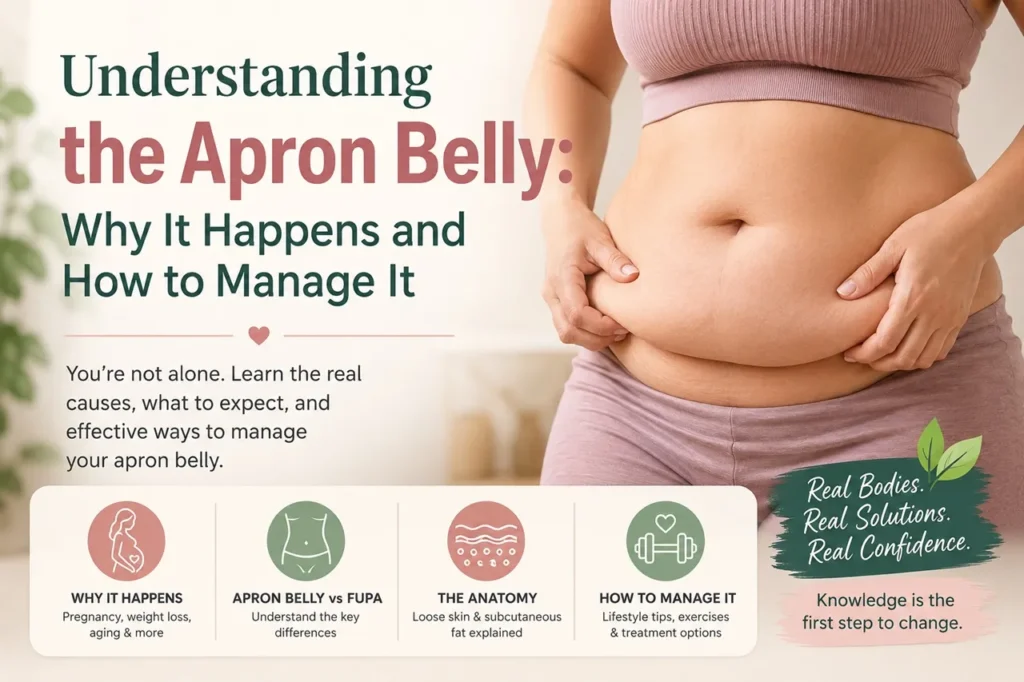
Here’s the truth: an apron belly is common. It is a fold of lower abdominal skin and tissue that can develop after pregnancy, major weight loss, surgery, or simply the passage of time. Genuinely, remarkably common. It’s not a flaw to hide or apologise for. It’s a body that’s done something, whether that’s grown a person, carried extra weight and released it, or just lived a few decades.
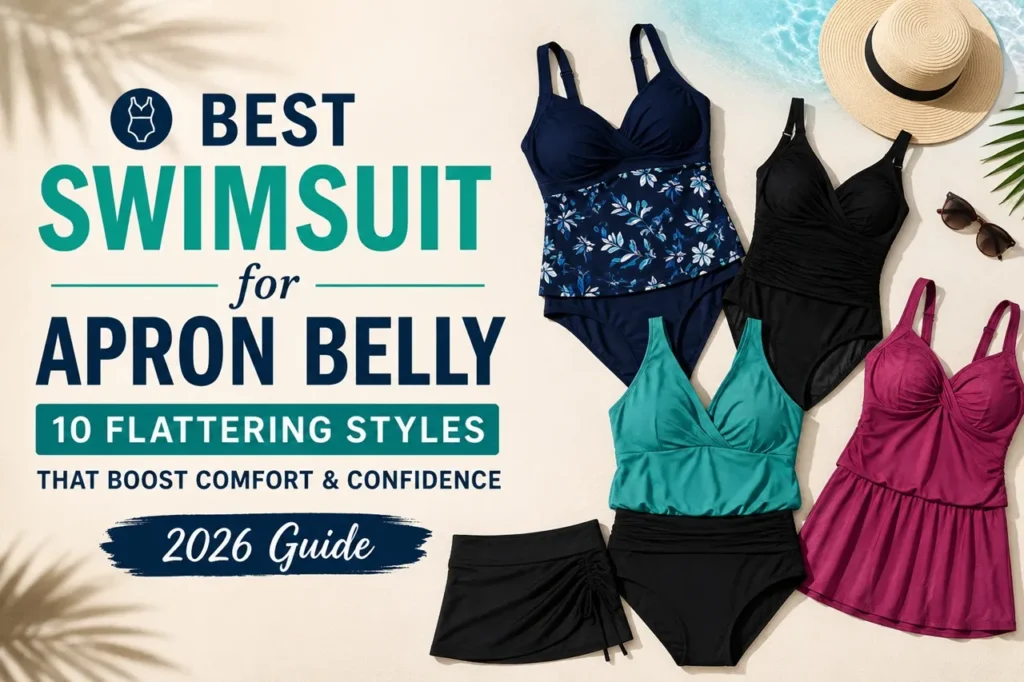
What does help is choosing swimwear engineered with the right support in the right places. With targeted compression, smart seaming, and fabric that actually recovers its shape after a swim, you can find a suit that offers real midsection support without feeling like armour. Below, we’re breaking down exactly what to look for and rounding up ten flattering styles worth trying in 2026.
What to Look for: Features of the Perfect Swimsuit
The Science of Support
Not all swim fabric is created equal, and honestly, this is where most off-the-rack suits fail people. A cheap polyester blend might look fine on the hanger, but after one dip in a chlorinated pool, it loses elasticity and starts sagging exactly where you don’t want it to.
Look instead for a nylon/elastane blend (sometimes labelled nylon-spandex). This combination gives you two things a flimsier fabric can’t:
- Stretch recovery: the fabric snaps back to its original shape instead of stretching out and staying loose
- Four-way stretch: it moves with your body rather than restricting it, which matters enormously if you’re sitting, bending, or wading
A higher percentage of elastane (generally 18 to 28%) tends to mean firmer, more reliable compression.
Key Design Elements
Beyond the fabric itself, a handful of construction details make the real difference between a suit that just covers an apron belly and one that actually supports it.
- Power mesh lining: A layer of firm, breathable mesh sewn into the interior of the suit, usually around the abdomen. It applies gentle, even pressure without restricting movement, which is the closest thing swimwear has to built-in shapewear.
- Ruched detailing: Gathered fabric (often along the sides or centre front) that creates soft folds. It’s not just decorative; ruching disguises fabric strain and adds visual texture that breaks up the eye’s focus on any one area.
- High-waisted bottoms: Rising above the natural waistline, these offer full coverage and a secure, no-slip fit, which matters a lot if your midsection shifts position throughout the day.
- Diagonal seams: Placed across the torso rather than straight up and down, these seams work with your body’s natural contours, creating a smoothing, midsection-slimming effect through structure rather than just tight fabric.
Ready to see these features in action? Let’s look at ten standout styles.
Top 10 Best Flattering Swimsuit Styles
Below is the full lineup, organised. For each style, you’ll find what makes it work, who it suits best, and a quick pros-and-cons table so you can compare at a glance before you commit to a purchase.
Separates are a great starting point if you want flexibility; different tops and bottoms let you mix coverage levels and find your personal sweet spot. You can size the top and bottom independently too, which is genuinely useful if your proportions don’t match standard one-piece sizing.
1. Halter-Neck Support Suits

Halter necklines elongate the torso visually while offering genuine support, especially useful for anyone who wants more structure through the chest and shoulders. The vertical line running from the neck down the chest also has a subtle lengthening effect on the whole upper body, which balances out a fuller midsection.

2. Blouson Tankinis

Blouson styles gather at the hem, creating a soft, blousy silhouette that moves with you. It’s a flowier option for anyone who prefers a suit that doesn’t touch the skin too closely, which can matter a lot on hot days or for anyone who finds tighter compression fabric uncomfortable against sensitive skin.
The gathered hem also adds a small amount of built-in movement, so the fabric doesn’t cling and reveal every contour when you sit or bend. This style tends to work particularly well layered over a high-waisted bottom, since the blouson top’s looseness is balanced out by the bottom’s structure.

3. Swim Skirts

For extra coverage without extra bulk, a swim skirt paired with a tankini top adds a layer of flowing fabric over the hips and lower belly, practical and undeniably cute. It’s a particularly good option if you’re more self-conscious about the hip and thigh area than the belly itself, since the flared cut skims outward rather than clinging inward.
Most swim skirts now come with built-in briefs underneath, so you get the coverage of a skirt with the security of a fitted bottom, no separate swimsuit bottoms needed.

4. Ruffled One-Pieces

Ruffles placed across the belly do double duty: they’re playful, and they visually break up the surface area, drawing the eye outward and creating dimension.
Because the fabric isn’t lying perfectly flat, ruffles naturally disguise minor fabric pulling or strain that a plain, smooth panel would show more obviously. They also add a bit of texture and personality to the suit, which is a nice bonus if you want something that doesn’t read as purely “functional.”

5. Wrap-Style One-Pieces

Best for waist definition, a wrap-style suit mimics the effect of a wrap dress; the diagonal fold creates the illusion of a nipped-in waist even where there isn’t one structurally.
This is one of the most reliably flattering cuts across body types because the diagonal line is doing the visual work, rather than relying on tight compression to physically reshape anything. It’s also a genuinely versatile silhouette, working equally well for lounging poolside as for actually swimming.

Read Also: 10 Best Jeans for Apron Belly That Flatten, Flatter, and Feel Amazing
6. Colour-Block Designs

Dark side panels paired with a lighter centre (or vice versa) create an optical slimming effect. It’s an old styling trick, but it genuinely works in swimwear for an apron belly because the eye follows the colour lines rather than the body’s actual contour.
Well-designed colour-block suits place the darker panels exactly where you want the eye to move past quickly, usually the sides of the torso, while the lighter or patterned centre panel becomes the visual focal point instead.

7. Built-in Shelf Bra One-Pieces

For extra support up top, a shelf bra lifts and shapes, helping balance proportions and making the whole silhouette feel more structured and secure. This matters more than it might seem, because when the bust is properly supported, the eye reads the whole body as more proportionate, which indirectly softens the visual emphasis on the midsection. It’s a particularly good choice for anyone who finds regular swim tops lack the support of a proper bra.

8. Swim Dresses

Perfect for loose skin, a swim dress falls away from the body instead of clinging to it. If you’ve read our guide on choosing the right fabric for post-weight-loss swimwear, you’ll know this is often the top recommendation for exactly that reason. The dress silhouette also means you’re not relying on compression at all, so there’s zero risk of fabric digging in or rolling, which can be a real concern with tighter, more structured styles.

9. Cross-Front Necklines

A crossed front pulls visual attention upward, toward the shoulders and collarbone, which naturally shifts focus away from the midsection. Beyond the visual benefit, the crossover construction also tends to offer excellent bust security, since the diagonal straps distribute support more evenly than a straight, single-strap design.

10. Side-Tie Bottoms

Adjustable ties mean you can loosen or tighten the fit as needed, useful if your body fluctuates throughout the day (bloating is real, and no suit should punish you for it). This adjustability also makes side-tie bottoms a good option if you’re between sizes, since you get a small built-in range of fit rather than being locked into one fixed measurement.

Check it also: Best Shapewear for Apron Belly: Smooth Your Tummy Naturally
Choosing Based on Your Body Type
Tips for Apple Body Types
If you carry weight primarily through the midsection, a classic apple body type, a few styling principles go a long way:
- Prioritise suits with power mesh lining through the front panel specifically, not just around the waistband.
- Look for a defined waist detail (wrap fronts, ruching, or a fabric-belt insert) to create shape rather than a straight silhouette.
- Choose necklines that draw the eye up and out; halters, cross-fronts, and deep-Vs all do this well.
- Avoid horizontal stripes across the belly area, which can widen the visual field exactly where you don’t want emphasis.
Finding the Right Fit for Stretch Recovery
Sizing matters more in swimwear than almost any other garment category, mostly because the margin for error is so small. A suit that’s too tight won’t allow the fabric’s stretch recovery to do its job; it’ll just dig in and roll. One that’s too loose won’t compress anything at all.
The general rule: swimwear for an apron belly should feel snug but not restrictive when you first try it on, since the fabric is designed to stretch slightly with wear and movement. If you’re between sizes, sizing up usually gives better long-term comfort than sizing down.
Frequently Asked Questions (FAQs)
A high-waisted bottom won’t make an apron belly disappear, but it does provide meaningful coverage and gentle compression, and it keeps the lower belly from spilling over a low-rise waistband, which is often the actual source of discomfort.
A nylon-elastane blend with a high spandex percentage (18 to 28%) paired with an internal power mesh lining offers the best combination of smoothing, support, and long-term durability.
A swim dress is generally the better choice for anyone managing a lot of loose skin after weight loss, since it skims rather than clings. A structured one-piece with built-in compression is better for more definition and shape.
Yes, beyond the base fabric, look specifically for suits that mention power mesh, compression panels, or “tummy control” in the product description. These typically use a denser double-layer fabric specifically for the midsection panel.
Maintenance & Care Tips
Swimwear with built-in compression is an investment, and it’s worth protecting. To keep the power mesh lining intact and the fabric’s stretch recovery working properly:
- Rinse in cool water immediately after wearing (chlorine and salt water both break down elastane fibres over time)
- Hand wash with a mild detergent rather than tossing suits in the washing machine.
- Avoid high heat entirely, never put swimwear in the dryer, and don’t lay it flat in direct sun to dry, since heat is the fastest way to degrade elastane.
- Lay flat on a towel indoors to air dry instead.
Conclusion
At the end of the day, the “best” swimsuit for an apron belly isn’t a single style everyone should buy; it’s whichever one makes you feel confident, comfortable, and ready to actually enjoy your time at the pool or beach instead of tugging at fabric all day. Whether that’s a structured one-piece with underwire support or a flowing swim dress that skims over everything, the options above give you a real starting point.