

 18 Sep 2026
 6 min read
The 2026 movement and exercise trend is less about punishing workouts and more about making activity fit ordinary life. Walking, short “movement snacks”, post-meal movement and low-impact strength are being discussed as practical ways to stay active. They may also appeal to people searching whether exercise helps bowel movement or looking for exercise to stimulate bowel movement, but the evidence and the individual response still matter.
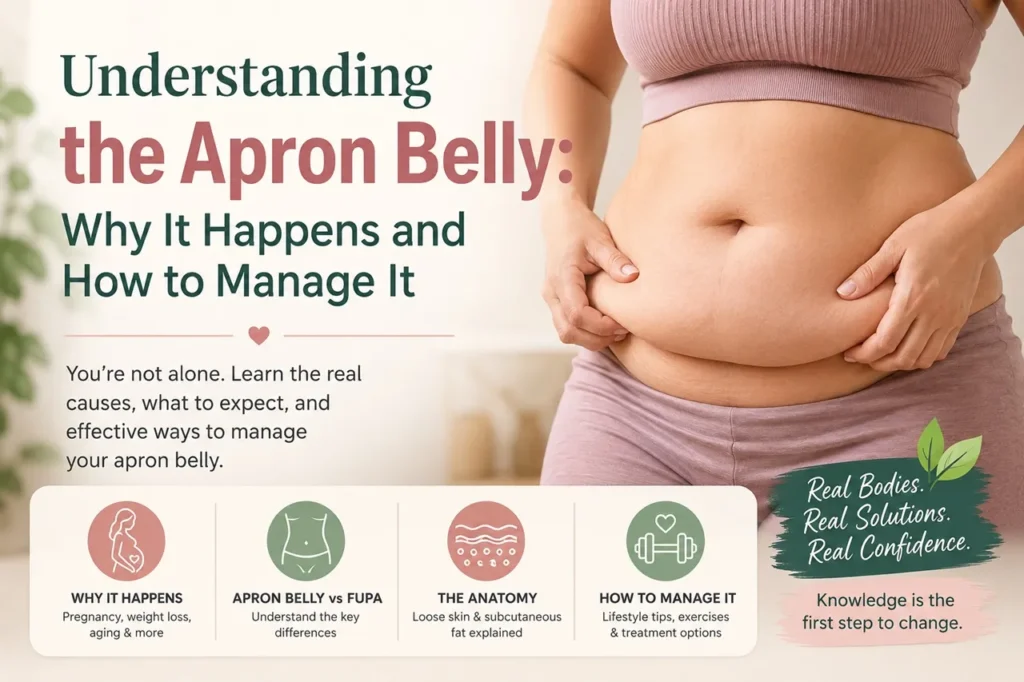
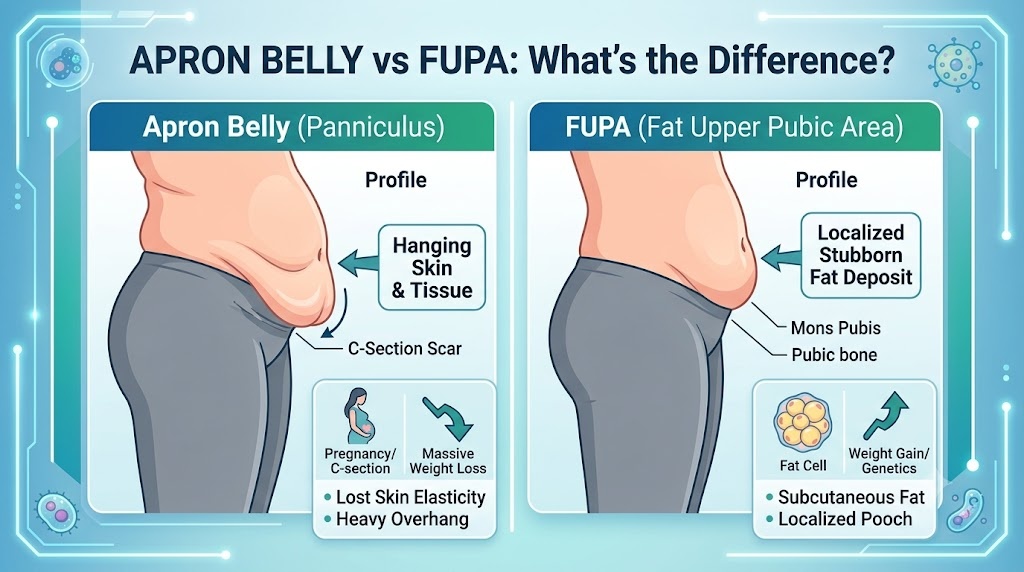
For anyone with an apron belly, the honest point is unchanged: exercise cannot spot-reduce fat from the lower stomach. Movement may support general fitness, strength and weight-management efforts, but it cannot selectively remove an overhang, and it cannot tighten substantial loose skin. Our plain-English guide to what an apron belly is explains the difference between fat, skin and related terms.
Quick verdict on movement and exercise
The useful 2026 trend is movement that is repeatable: a walk, a few minutes of mobility, gentle strength work or breaking up long periods of sitting. The UK Chief Medical Officers’ updated guidance says that even small amounts of physical activity benefit health, making the “every movement counts” message more realistic than an all-or-nothing workout plan (GOV.UK).
This is a good fit for people returning to activity after pregnancy, managing a heavier lower belly, or finding that a demanding gym routine is not sustainable. It is less suitable as a promise of fast abdominal fat loss or a guaranteed solution for constipation, bloating or discomfort.
The same distinction matters with apron belly exercises. Strengthening the trunk and lower body can be worthwhile, but no set of movements can target fat loss from one specific area. Exercise should be judged by function, consistency and comfort rather than whether it “burns” the overhang.
Movement and exercise review: what to evaluate
A sensible review of movement and exercise in 2026 should ask four questions: Is it manageable? Does it build useful capacity? Can it be adapted? Does it avoid claims that go beyond what the activity can do?
Who it is best for

This approach is best for someone who feels put off by formal workouts, has a busy family routine, or has reached a plateau despite training regularly. It may also suit someone who wants to restart gently after a caesarean section or several years of reduced activity, provided the movement is appropriate for their recovery and health.
Walking is easy to scale by pace, route and duration. Mobility work can be brief. Low-impact strength can use controlled bodyweight movements, sit-to-stands or other comfortable variations rather than jumping or high-pressure abdominal exercises.
A separate guide to movement and exercise for a heavier lower belly covers the practical issue of exercising when the abdomen feels physically in the way.
Strengths to look for

The strongest part of the trend is flexibility. A person does not need to wait for a perfect 45-minute slot before moving. Short bouts can be fitted around school runs, work, meals and household tasks.
The second strength is a broader definition of exercise. A recent UK report on the updated activity guidelines emphasises that small amounts of activity still matter (GOV.UK). That is a more useful message for beginners than treating missed gym sessions as failure.
Low-impact strength also has a practical role. Recent wellness coverage has highlighted lower-body training in the context of balance, stability and everyday movement, rather than appearance alone (Times of India). For someone carrying extra weight around the middle, stable, controlled movement may feel more useful than exercises chosen only because they look intense.
Limitations and red flags
The biggest limitation is that “movement” can become so broad that it stops being a useful plan. A few gentle stretches may be a sensible starting point, but they are not automatically equivalent to progressive strength training or a brisk walk.
The second limitation is digestive certainty. Searching for exercise to stimulate bowel movement does not mean one routine will work for everyone. Persistent constipation, severe abdominal pain, vomiting, blood in the stool or a sudden change in bowel habit needs medical advice rather than an exercise experiment.
Avoid programmes built around “blasting” an apron belly, melting lower-belly fat or guaranteeing a flatter stomach. They confuse muscle work with targeted fat loss and can be especially demoralising after pregnancy or major weight loss. Read our apron belly exercise guide for a more realistic framework.
If you have recently given birth, had abdominal surgery, or have pain, pelvic-floor symptoms or a diagnosed medical condition, speak with a qualified healthcare professional about your own case before increasing activity.
Is movement and exercise worth it?

Yes, if the goal is regular activity, strength, mobility and confidence in everyday movement. It is not a reliable shortcut for removing an apron belly, loose skin or a specific amount of abdominal fat.
Use this decision guide:
- Choose walking or short movement breaks if consistency is the main barrier.
- Add low-impact strength if you want to work on functional strength and muscle capacity.
- Use gentle mobility if stiffness makes activity uncomfortable.
- Treat digestive effects as individual, not guaranteed.
- Stop and seek appropriate advice if movement causes pain or concerning symptoms.
- Judge progress by what you can do more comfortably, not only by a mirror or waist measurement.
For people who have lost several stone, further weight loss may change the fat component of an overhang, but exercise cannot remove loose skin. That is why the scale and the appearance of the lower belly do not always change together. Our guide on how to get rid of apron belly honestly discusses that distinction without promising a miracle.
FAQ about movement and exercise
What is the difference between movement and exercise?
Movement is any physical activity, while exercise is usually planned and structured. Both can form part of a realistic routine, especially when formal workouts are difficult to maintain.
What is the difference between movement and exercise on a fitness tracker?
A tracker may record general daily movement separately from a logged workout. The exact categories depend on the device and its settings, so treat them as prompts rather than medical measurements.
Does movement count as exercise?
It can count as physical activity, and the UK Chief Medical Officers’ guidance states that even small amounts of activity benefit health (GOV.UK).
What should readers know first about movement and exercise?
Movement is not a spot-reduction tool. It may support strength and general activity, but apron belly fat and loose skin cannot be selectively removed with particular exercises.
How do you choose the right movement and exercise approach?
Choose activities you can repeat comfortably, then increase challenge gradually if appropriate. Walking, mobility and low-impact strength are reasonable starting categories for many people.
What mistakes should you avoid with movement and exercise?
Avoid miracle claims, punishing routines and judging success only by your stomach. Do not exercise through pain or use movement to delay medical advice for persistent bowel symptoms.
Is movement and exercise worth it for daily use?
It can be worthwhile when it helps you stay active consistently. Its value is practical and health-focused, not a guarantee that an apron belly or bowel symptom will disappear.
What should you compare before deciding on movement and exercise?
Compare comfort, accessibility, progression, recovery demands and whether the activity fits your life. Also compare its real aim with the claim being made about digestion or abdominal fat.
Recommended next steps
Start with one manageable form of movement rather than collecting a long list of routines. A short walk, a mobility break or a controlled strength session may be enough to establish a pattern.
If your interest is specifically bowel comfort, track what happens without assuming cause and effect. If symptoms persist or change, contact a healthcare professional. If your concern is an apron belly, separate the goals: movement can support fitness and strength, while fat loss and loose skin require different expectations.
For practical, realistic guidance, continue with exercise to stimulate bowel movement and compare the suggestions with your own comfort, recovery and medical circumstances.
Sources
- Janhvi Kapoor’s latest leg day session highlights an often-overlooked truth: Strong lower-body muscles ar — timesofindia.indiatimes.com
- New UK CMO activity guidelines show every movement counts — www.gov.uk
- 5 movements physical therapists say every adult over 50 should do daily — www.washingtonpost.com
- Parkinson’s Disease: How Movement and Wellness Can Help — www.bannerhealth.com
- How Davina McCall, 58, changed her body composition with simple movement – the 6 exercises she does — www.cosmopolitan.com
- Parkinson’s UK launches new Movement Your Way exercise snacking programme — www.dorsetecho.co.uk
Rachel has spent over a decade writing about women’s health, body composition, and post-pregnancy recovery for UK-based digital publications and NHS-adjacent health platforms. She holds a postgraduate certificate in science communication and has worked closely with physiotherapists and dietitians to translate clinical research into plain, usable advice. Her approach is straightforward: lead with what the evidence actually says, flag the limitations honestly, and skip the language that makes readers feel like a problem to be solved. She writes for people who have already Googled the optimistic version and want someone to level with them.