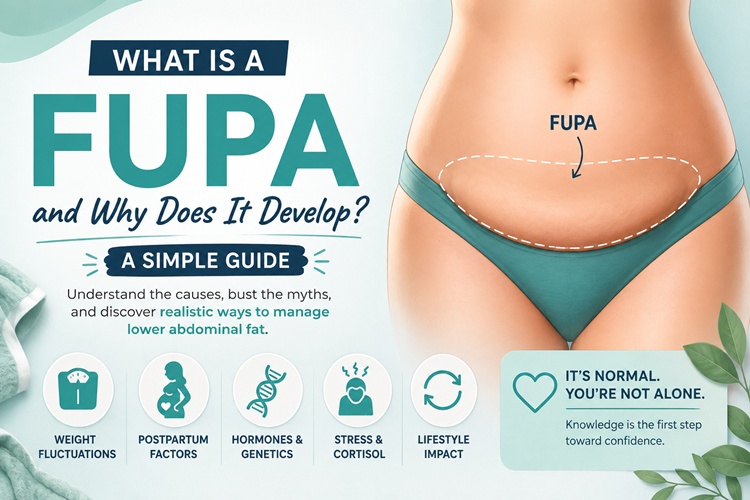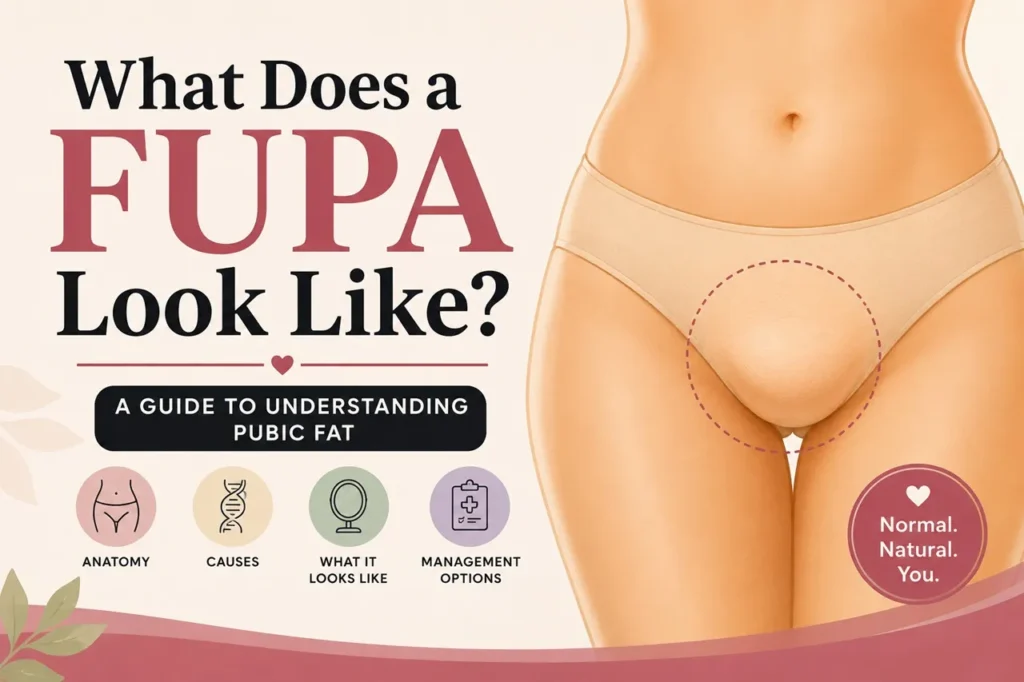

When diet and exercise don’t fully resolve a stubborn FUPA, many people start researching FUPA surgery as a next step. However, most articles online blur together very different procedures, leaving readers confused about what actually happens, what recovery involves, and who’s genuinely a good candidate. This guide clears that up with a straightforward, honest breakdown.
What Is FUPA Surgery?
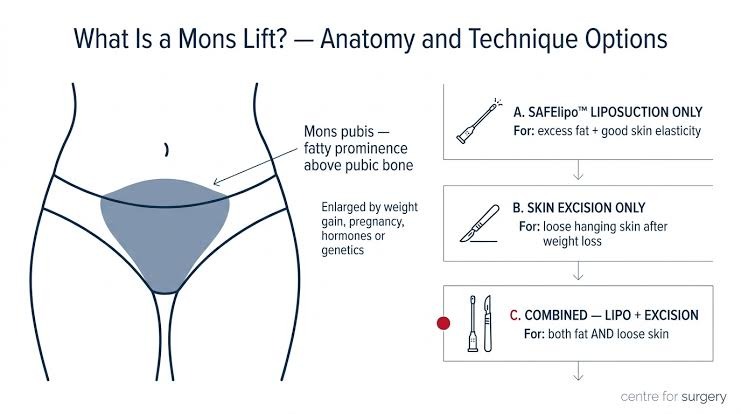
FUPA surgery refers to any surgical procedure that reduces fat or excess skin over the pubic area. Two main options exist: liposuction, which removes fat only, and a mons pubis lift (monsplasty), which removes excess skin and fat together while also lifting the area for a flatter contour. Understanding which one applies to your situation matters significantly before booking any consultation.
FUPA Lipo: What It Actually Involves
FUPA lipo, or liposuction of the mons pubis, uses a thin cannula to suction out excess fat from beneath the skin. It works best for people with good skin elasticity, since liposuction alone doesn’t address loose or sagging skin. According to NHS guidance, liposuction is generally considered a cosmetic procedure and isn’t routinely available on the NHS for aesthetic reasons, meaning most people pursue it privately.
Who Suits FUPA Lipo Specifically?
- People close to their goal weight, since liposuction isn’t a weight-loss method
- Those with firm, elastic skin that will retract smoothly after fat removal
- People without significant loose skin, since lipo alone won’t correct sagging
Mons Pubis Lift: A More Complete Solution
Unlike liposuction, a mons pubis lift addresses both fat and excess skin simultaneously. Surgeons remove the excess tissue and lift the remaining skin for a smoother, flatter result. Consequently, this procedure suits people who have tried liposuction or weight loss already but still have visible sagging or loose skin in the area.
Combined Procedures
Sometimes, a mons pubis lift is performed alongside a tummy tuck, particularly when someone also has an apron belly affecting the upper abdomen. Combining procedures can reduce overall recovery time compared to two separate surgeries, though it does extend the single recovery period somewhat.
Who Is Typically a Good Candidate?
- People at a stable, healthy weight for at least six months
- Those who have tried non-surgical methods for several months without their desired outcome
- Non-smokers, since smoking significantly impairs wound healing
- People with realistic expectations about scarring and the overall results
How Much Does FUPA Surgery Cost by Country?
Cost depends heavily on the procedure, surgeon experience, facility fees and geography. The table below gives indicative ranges to help set expectations before your consultation.
| Country | Average Cost (USD Estimate) | Average Cost (GBP Estimate) |
| United Kingdom | $3,200 – $7,500 | £2,500 – £6,000 |
| Germany | $3,500 – $8,000 | £2,700 – £6,200 |
| United States | $4,000 – $9,000 | £3,100 – £7,000 |
| Canada | $3,500 – $7,500 | £2,700 – £5,800 |
| Australia | $4,000 – $10,000 | £3,100 – £7,800 |
| Turkey (Medical Tourism) | $2,000 – $4,500 | £1,500 – £3,500 |
These are indicative ranges based on publicly available surgeon pricing data. Always request a detailed, itemised quote during your consultation.
What Recovery Actually Looks Like
Recovery generally follows a predictable pattern, though individual experiences vary based on the specific procedure and each person’s healing.
- Week 1–2: Expect swelling and bruising, along with wearing a compression garment continuously
- Week 2–4: Most people return to light daily activities and desk-based work
- Week 4–6: Gradual return to moderate exercise, following your surgeon’s specific guidance
- Month 3–6: Final results become visible once all swelling has fully resolved
Throughout recovery, following your surgeon’s aftercare instructions closely – including wound care and activity restrictions – significantly reduces complication risks.
Risks and Considerations to Discuss With a Surgeon
As with any surgery, risks include infection, scarring, asymmetry, and complications from anaesthesia. Additionally, maintaining a stable weight afterward matters considerably, since significant weight gain can affect your results long-term. Cost varies substantially depending on the procedure, clinic, and surgeon’s experience, so requesting a detailed, itemised quote before committing is essential.
Choosing a Qualified Surgeon
Always verify that your surgeon is registered with the General Medical Council, and check that the clinic is registered with the Care Quality Commission if you’re in England. These registrations offer a baseline level of accountability and safety that unregistered providers simply can’t guarantee.
Is FUPA Surgery Covered by the NHS?
Generally, no. Since FUPA surgery is considered cosmetic rather than medically necessary in most cases, the NHS doesn’t typically fund it. Exceptions occasionally exist if there’s a clear medical need, such as recurrent skin infections or significant functional impairment, though these cases are assessed individually rather than guaranteed.
Common Myths About FUPA Surgery
| Myth | Fact |
| Surgery permanently eliminates FUPA | Weight gain or future pregnancy can cause it to return |
| Only women get FUPA surgery | Men also seek panniculectomy and liposuction for this area |
| Liposuction alone fixes loose skin | Liposuction addresses fat only; loose skin requires excision |
| Recovery takes only a week or two | Full recovery takes 3–6 months; complete results up to 18 months |
| The NHS always covers panniculectomy | Funding requires documented medical need and varies by region |
| The scar disappears completely | Scars are permanent but fade significantly with proper care |
Frequently Asked Questions
How much does FUPA surgery cost in the UK?
Costs vary considerably depending on the procedure and clinic, though liposuction alone typically starts lower than a combined mons pubis lift. Always request a personalised quote after consultation.
Is FUPA lipo painful?
Most people experience discomfort rather than severe pain, generally managed effectively with prescribed pain relief during the first week of recovery.
How long do results last?
Results can be long-lasting if you maintain a stable weight afterward, though ageing and future weight changes can still affect the area over time.
Can men get FUPA surgery too?
Yes, both liposuction and mons pubis reduction are available to men, typically considered after non-surgical options haven’t produced sufficient results.
What’s the difference between FUPA lipo and a mons pubis lift?
Liposuction removes fat only and suits people with good skin elasticity, while a mons pubis lift removes excess skin too, making it more suitable for visible sagging.
How soon can I exercise after FUPA surgery?
Most surgeons recommend waiting four to six weeks before resuming moderate exercise, though this varies based on your specific procedure and individual healing progress.
Conclusion
FUPA surgery isn’t a single procedure – liposuction suits fat-only cases with good skin elasticity, while a mons pubis lift addresses both fat and loose skin together. Recovery typically spans several weeks, with final results visible after three to six months once swelling fully resolves. Since this surgery is rarely NHS-funded, choosing a properly registered, experienced surgeon and getting a detailed consultation first remains essential. If you’re still exploring non-surgical alternatives, our guide on how to get rid of FUPA naturally covers realistic options worth trying first.
About the Author
This guide was written by the Apron Belly Hub editorial team, who research body-shape and cosmetic surgery topics using credible sources, including official NHS guidance on cosmetic procedures. Our mission is to provide clear, judgement-free information that helps readers make informed decisions about their bodies.