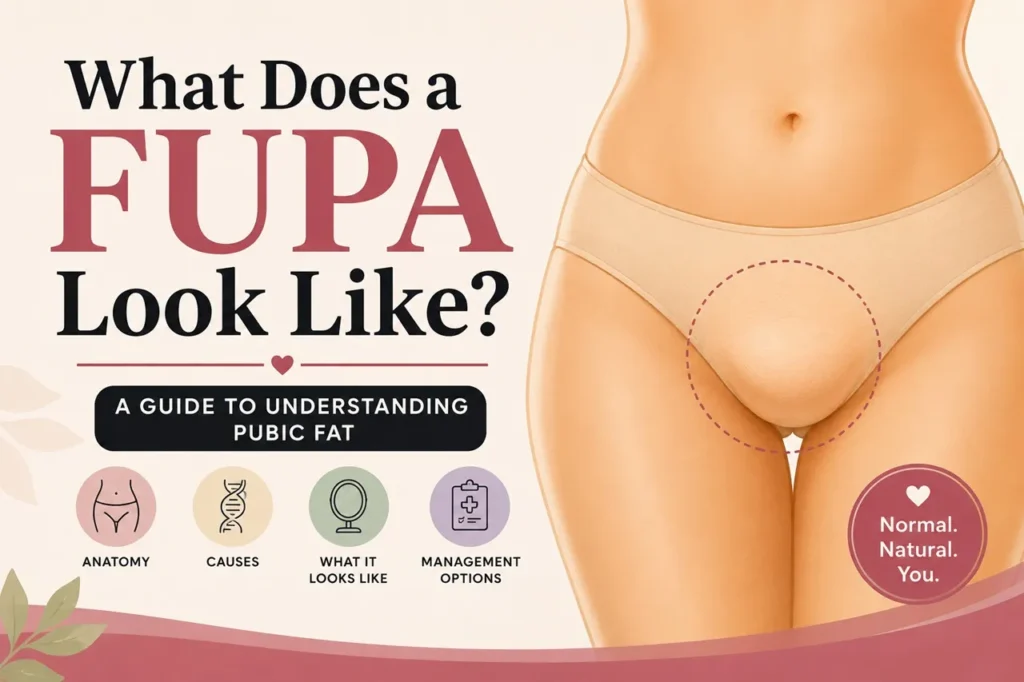

FUPA isn’t only a women’s issue, though it’s rarely discussed openly when it comes to men. If you’ve noticed fat building up above your pubic bone and wondered why, you’re far from alone. This guide explains exactly why FUPA in men develops, how it differs from women’s experience, and which realistic steps actually reduce it.
What Does FUPA in Men Actually Mean?
FUPA stands for “Fat Upper Pubic Area.” In men, it refers to the same localised fat pad women experience, sitting just above the pubic bone. However, the underlying causes and typical fat distribution patterns differ somewhat between men and women, which matters when choosing the right approach to reduce it.
Why Do Men Get a FUPA?
Several factors contribute to fat accumulating specifically in this area for men.
- General weight gain, which tends to settle around the abdomen and pubic area in men more than other regions
- Declining testosterone with age, which shifts fat distribution and reduces muscle mass over time
- Genetics, since body fat storage patterns are partly inherited regardless of gender
- Sedentary lifestyles combined with a consistent calorie surplus
- Previous abdominal surgery or major weight loss, which can leave excess skin in this area
Because these factors frequently overlap, most men dealing with a FUPA experience more than one cause simultaneously.
How Declining Testosterone Plays a Role
As men age, testosterone levels naturally decline, sometimes leading to what’s informally called the “male menopause.” This hormonal shift can influence fat distribution and reduce lean muscle mass, both of which make abdominal and pubic-area fat more likely to accumulate and harder to shift through diet alone.
How Is FUPA in Men Different From Women?
Men typically store more visceral fat, meaning fat around internal organs, alongside subcutaneous fat under the skin. Consequently, overall body fat reduction tends to have a bigger visible impact on this area for men than for women, where hormonal factors like oestrogen play a larger role in fat storage patterns.
What Actually Helps Reduce FUPA in Men
- A consistent calorie deficit through diet, which matters more than exercise alone for visible fat loss. Our guide on how to get rid of FUPA covers this in more detail
- Resistance training three to four times weekly to preserve muscle while losing fat
- Reducing alcohol intake, since it’s calorie-dense and specifically linked to central fat storage
- Managing stress, because chronically elevated cortisol affects fat storage in men just as it does in women
- Prioritising sleep, which supports healthy testosterone levels and overall hormone balance
Building a Simple Weekly Routine
Aim for three to four strength-training sessions weekly, combined with regular walking or light cardio on other days. Additionally, tracking your waist circumference monthly offers a more useful progress marker than the bathroom scale alone, since it reflects changes in abdominal fat directly.
When Should Men Consider Medical Options?
If diet and exercise over three to six months produce little visible difference, often due to loose skin following major weight loss, non-surgical skin tightening or, in more severe cases, a mons pubis reduction procedure becomes worth discussing with a doctor. That said, most men see meaningful improvement through lifestyle changes before considering these options.
Frequently Asked Questions
Is FUPA in men linked to low testosterone?
It can be one contributing factor, particularly from midlife onward, though weight gain and lifestyle habits usually play a bigger overall role than testosterone alone.
Can men get surgery for FUPA?
Yes, mons pubis reduction and liposuction are both available to men, though these are typically considered only after non-surgical options have been tried first.
How long does it take to reduce FUPA as a man?
Most men notice visible changes within eight to twelve weeks of consistent calorie deficit and strength training, though genetics and hormone levels influence individual timelines.
Does building muscle help reduce FUPA?
Yes, indirectly. Building muscle through resistance training increases your metabolic rate, which supports fat loss throughout your body, including the pubic area.
Should I get my testosterone tested?
If you’re experiencing other symptoms like fatigue, low mood, or reduced muscle mass alongside abdominal fat gain, it’s worth discussing testosterone testing with your GP.
Can diet alone fix FUPA in men?
Diet plays the biggest role, but combining it with strength training produces better, faster, and more sustainable results than diet changes alone.

Conclusion
FUPA in men develops through a combination of weight gain, declining testosterone, genetics, and lifestyle factors, and it deserves the same practical, judgement-free attention as it does for women. A consistent calorie deficit paired with regular strength training remains the most effective natural approach, while medical options exist for men who don’t see results through lifestyle changes alone. If you’re ready to build an effective routine, check out our complete guide to FUPA exercises for a practical, step-by-step starting point.
About the Author
This guide was written by the Apron Belly Hub editorial team, who research body-shape and men’s health topics using credible sources, including NHS guidance on hormone health and evidence-based fitness principles. Our mission is to provide clear, judgement-free information that helps readers understand their bodies with confidence, regardless of gender.