
If you’ve searched for how to get rid of FUPA naturally, you’ve probably already tried a few random tips that didn’t stick. That’s completely normal, and it’s not because you lack discipline. It’s because most FUPA advice online skips the actual science and jumps straight to gimmicks. This guide fixes that. You’ll learn what genuinely causes a FUPA, which habits move the needle, and how long real results actually take.
By the end, you’ll have a clear, realistic plan instead of another vague checklist.
What Is FUPA and Why Does It Form?
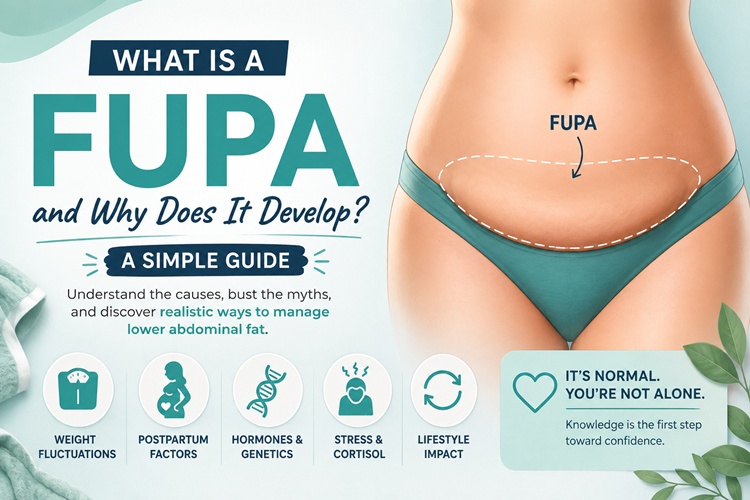
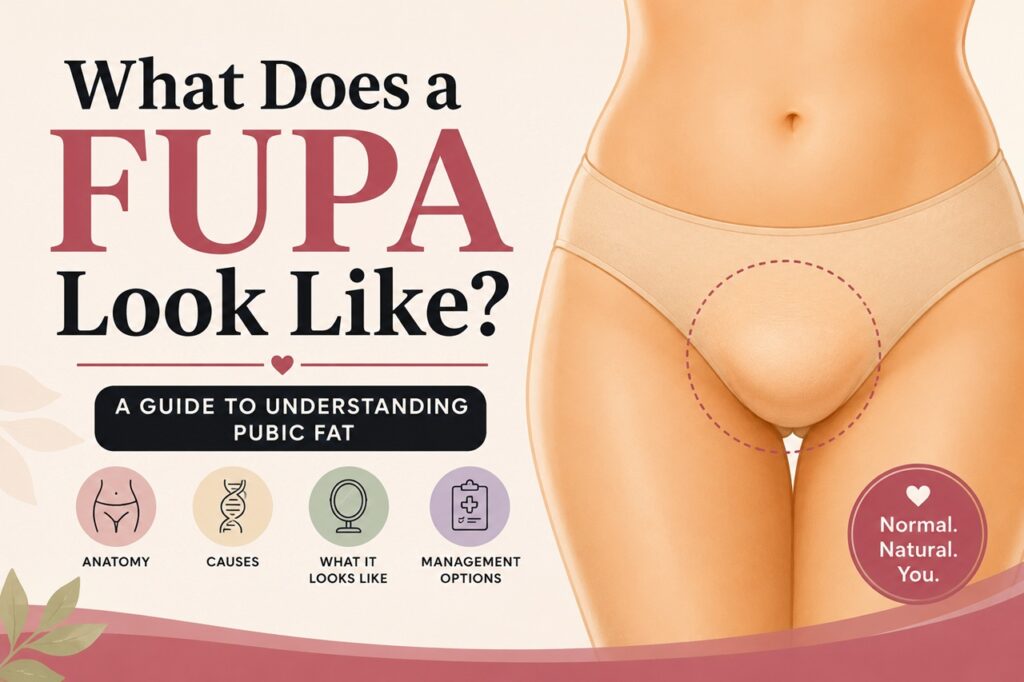
FUPA stands for “Fat Upper Pubic Area.” It refers to the soft tissue that sits just above the pubic bone, below the belly button. Unlike an apron belly, which involves loose, hanging skin, a FUPA is usually firmer and more localized.
Common Causes of a FUPA
Several factors contribute to this area storing fat first, including:
- Hormonal shifts, particularly higher oestrogen levels
- Genetics, since some bodies naturally store fat here before anywhere else
- Pregnancy and childbirth, which stretch the skin and abdominal muscles
- Rapid weight gain or weight loss
- A slowing metabolism with age
- Previous abdominal surgery, including a C-section
Because these causes overlap, most people deal with more than one factor at once. That’s exactly why a single “hack” rarely works on its own.
Can You Really Get Rid of FUPA Naturally?
Yes, to a meaningful degree, though it helps to set realistic expectations first. Spot reduction losing fat from one specific area through targeted exercise alone simply isn’t possible. Instead, your body loses fat based on genetics and overall calorie balance, not on which muscles you train hardest.
However, that doesn’t mean natural methods don’t work. A consistent calorie deficit, paired with strength training and healthy habits, reduces overall body fat, including fat stored in the FUPA area. Consequently, the more consistent you stay, the more visible your results become over time.
Best Diet Tips to Reduce FUPA Naturally
Diet plays the biggest role in fat loss, so it deserves the most attention here.
Foods That Support Fat Loss
- Lean proteins like chicken, fish, eggs, and tofu, which keep you full longer
- High-fibre vegetables such as broccoli, spinach, and leafy greens
- Whole grains instead of refined carbohydrates
- Healthy fats in moderation, including olive oil, nuts, and avocado
Foods to Limit
- Sugary drinks and snacks, which spike insulin and encourage fat storage
- Deep-fried and heavily processed foods
- Excess alcohol, since it’s calorie-dense and linked to central fat storage
- Large portions of refined carbs eaten frequently
Additionally, eating in a modest calorie deficit rather than an extreme one tends to produce more sustainable results. Crash diets often backfire because they’re too restrictive to maintain long-term.
Effective FUPA Exercises for Natural Results
While you can’t spot-reduce fat, targeted exercises still strengthen and tone the muscles beneath your FUPA, which improves overall shape as fat loss progresses.
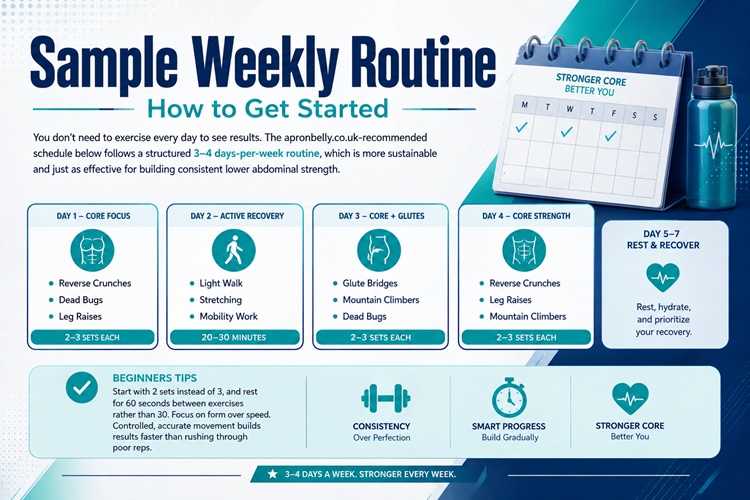
- Planks: Hold for 20-40 seconds, building deep core strength
- Dead bugs: Perform 10 reps per side to engage the transverse abdominis
- Reverse crunches: Target the lower abdominal region directly
- Glute bridges: Support posture and overall core stability
- Walking: Add 20-30 minutes daily, since it burns calories without overtaxing your body
Furthermore, combining these moves with two to three full-body strength sessions per week helps preserve muscle while you lose fat, which keeps your metabolism working efficiently.
Lifestyle Habits That Support Fat Loss
Diet and exercise matter most, but daily habits influence your results too.
- Prioritize sleep. Poor sleep raises cortisol, a stress hormone linked to abdominal fat storage.
- Manage stress. Chronic stress keeps cortisol elevated, which can stall fat loss even when your diet is on point.
- Stay hydrated. Dehydration often causes bloating, which can make the area look larger than it actually is.
- Track progress with photos, not just the scale. Since muscle tone changes shape even when weight stays similar, photos capture progress the scale misses.
As a result, small daily habits often make the biggest long-term difference, even though they get the least attention online.
How Long Does It Take to See Results?
Most people notice visible changes within 8 to 12 weeks of consistent effort. That said, genetics and hormonal factors mean two people following identical routines can see different timelines. Therefore, patience matters just as much as consistency.
When Natural Methods Aren’t Enough
Occasionally, natural methods reduce fat significantly but don’t fully resolve stubborn areas, especially if loose skin is involved rather than fat alone. In that case, non-surgical treatments or, in more advanced cases, minor surgical procedures become worth discussing with a doctor. Still, most people see meaningful improvement through diet, exercise, and lifestyle changes alone before considering those options.
Frequently Asked Questions
What is the fastest natural way to reduce FUPA?
A consistent calorie deficit combined with strength training remains the most reliable natural approach. There’s no genuine shortcut, despite what many products claim.
Do waist trainers help get rid of FUPA?
No. Waist trainers only compress the area temporarily; they don’t reduce fat or provide lasting results.
Can I target FUPA fat with specific exercises alone?
Not entirely. Exercise tones the muscles underneath, but overall fat loss depends on your total calorie balance, not which area you train.
Does drinking more water reduce FUPA? Water won’t directly burn fat, but it reduces bloating and supports digestion, which can make the area appear flatter.
Is it normal for FUPA to persist even after weight loss?
Yes, sometimes. Genetics and skin elasticity influence how much visibly changes, even with consistent weight loss.
How often should I exercise to see results?
Three to four sessions per week, combining strength training with light cardio, typically produces noticeable results within 8-12 weeks.
Conclusion
Getting rid of FUPA naturally comes down to consistency, not shortcuts. A modest calorie deficit, regular strength training, and better sleep and stress habits work together to reduce overall body fat, including the FUPA area. While results take time, usually 8 to 12 weeks, they’re achievable and lasting when you stick with the basics. Start with one or two changes this week rather than overhauling everything at once. For a deeper dive into targeted movements, check out our complete guide to FUPA exercises next.
About the Author
This guide was written by the Apron Belly Hub editorial team, who research and review body-shape and postpartum wellness topics using credible health sources, including NHS guidance and peer-reviewed nutrition research. Our goal is to provide clear, judgement-free information that helps readers make informed decisions about their bodies.