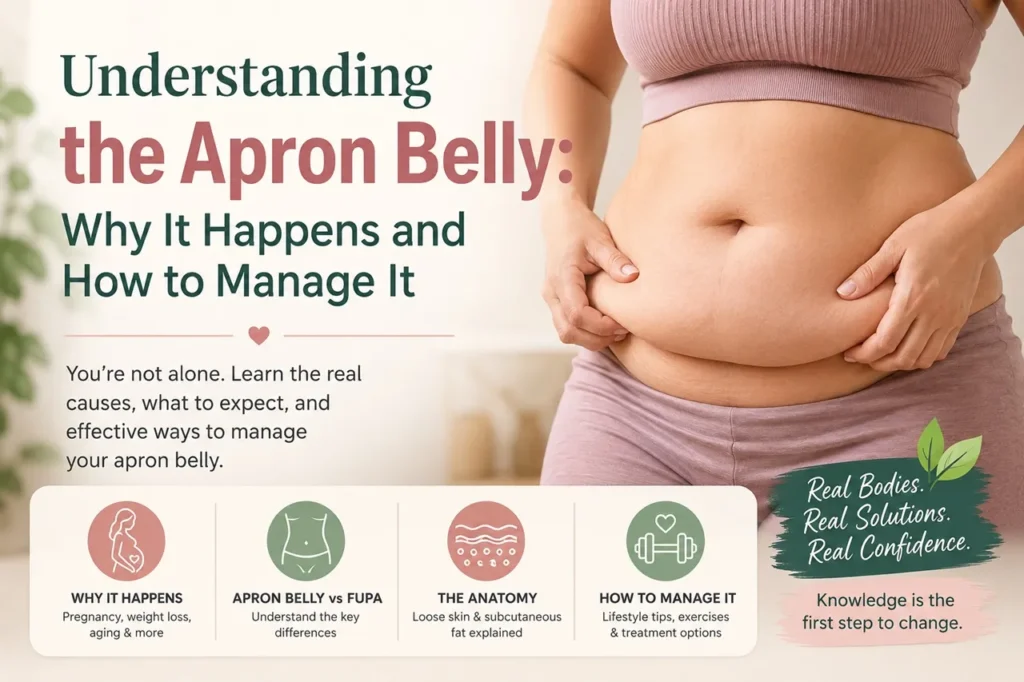

You’ve lost weight, stayed consistent with your workouts, and cleaned up your diet, yet that soft, drooping fold of skin and fat at the lower abdomen still lingers. If this sounds familiar, you’re dealing with what’s commonly called a small apron belly, and you’re far from alone.
Medically referred to as a panniculus, an apron belly is a pocket of excess skin and subcutaneous fat that hangs over the lower abdomen, sometimes extending toward the pubic area. It behaves differently from general belly fat, and that’s because it often is. Rapid weight fluctuations, pregnancy, hormonal shifts, and reduced collagen production all affect how the skin and fat layers in the lower abdomen respond over time.
The good news? A small apron belly is very manageable. With the right combination of targeted exercise, dietary changes, and consistent lifestyle habits, you can make meaningful progress. This guide breaks down everything you need to know, from why it forms to what you can actually do about it.

What Causes a Small Apron Belly?
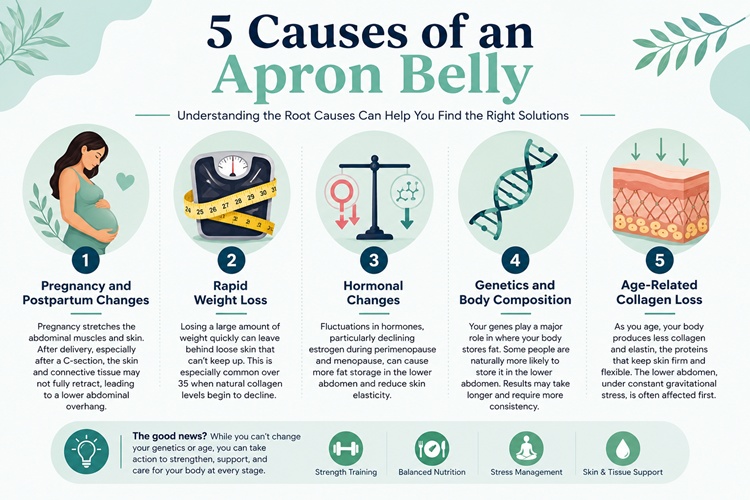
Understanding the root cause is the first step toward addressing it effectively. A small apron belly doesn’t usually form from one single factor; it’s typically a combination of several.
Pregnancy and Postpartum Changes
Pregnancy significantly stretches the abdominal muscles and skin. After delivery, especially following a C-section, the connective tissue and skin in the lower abdomen may not fully retract. C-section scarring can also create a natural ledge of tissue just above the incision, contributing to the overhang.
Rapid Weight Loss
Losing a large amount of weight quickly is one of the most common causes of a panniculus. When fat shrinks faster than the skin can adapt, you’re left with loose skin that lacks the elasticity to bounce back. This is especially true for people over 35, when natural collagen levels begin to decline.
Hormonal Changes
Hormonal fluctuations, particularly declining estrogen during perimenopause and menopause, can cause the body to store more fat in the lower abdominal region. According to Healthline, hormonal shifts also affect skin laxity, making it harder for tissue to remain firm.
Genetics and Body Composition
Where your body stores fat is largely determined by genetics. Some people are naturally predisposed to accumulating subcutaneous fat in the lower abdomen. If this is the case for you, lifestyle changes will still help, but results may take longer and require more consistency.
Age-Related Collagen Loss
As the body ages, it produces less collagen and elastin, the proteins responsible for skin’s firmness and flexibility. This gradual loss contributes to skin laxity across the body, but the lower abdomen, which already bears the most gravitational stress, is often affected first.
Recognising the Symptoms of an Apron Belly
Not every saggy stomach is an apron belly, so it helps to know what distinguishes one from general bloating or fat accumulation.
Physical Characteristics
A small apron belly typically presents as:
- A soft, pendulous fold of skin and fat hanging at or below the navel
- A visible abdominal overhang that persists regardless of posture
- Loose skin folds that don’t tighten with core engagement.
- A fold that remains present even when you lie flat on your back
This distinguishes it from bloating, which fluctuates throughout the day and responds to digestion, hydration, and food intake.
Associated Discomfort
Beyond aesthetics, an apron belly can sometimes cause:
- Skin irritation beneath the fold, known medically as intertrigo, is a rash caused by friction and trapped moisture. According to WebMD, intertrigo is common in skin folds and can become infected if left untreated.
- Lower back pain due to the additional weight pulling the pelvis forward and altering your posture
- Difficulty with physical activity or clothing fit
If you’re experiencing persistent skin irritation, redness, or odour in the fold, it’s worth speaking with a dermatologist before focusing on cosmetic changes.
How to Get Rid of a Small Apron Belly
There’s no single overnight fix, but a structured, consistent approach across exercise, diet, and lifestyle will produce real results over time.
Targeted Exercises for Core Strength and Muscle Definition
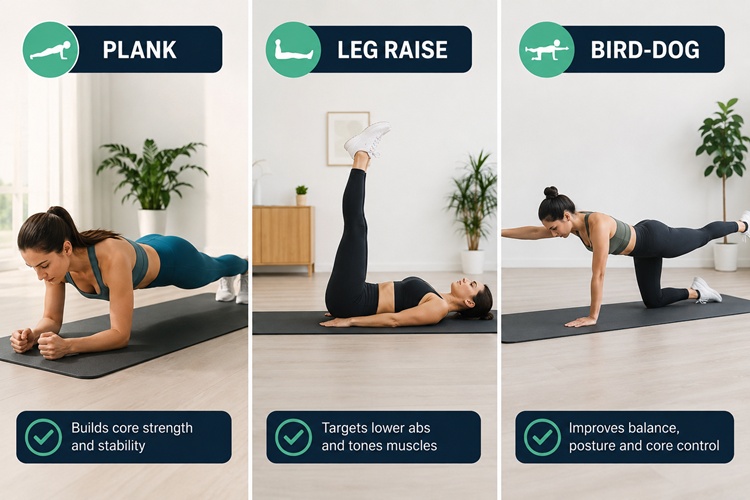
You can’t spot-reduce fat in the lower abdomen, but you can strengthen the muscles beneath it and reduce overall body fat through exercise. The following movements are particularly effective.
Planks
The plank is one of the most efficient exercises for building core stability. It engages the rectus abdominis, transverse abdominis, and obliques simultaneously. Start with 20–30 second holds and build up to 60 seconds or more.
Leg Raises
Lying flat on your back, raise both legs to 90 degrees, then slowly lower them without letting them touch the floor. This move directly targets the lower abdominal muscles and supports pelvic floor engagement, both of which are especially important for postpartum recovery.
Bird-Dogs
From a tabletop position on your hands and knees, extend one arm and the opposite leg simultaneously, hold for two seconds, then switch. Bird-dogs promote glute activation and spinal alignment, which can also help counteract the postural strain caused by an apron belly.
Additional Recommendations:
- Aim for 3–4 core-focused sessions per week, combined with at least 150 minutes of moderate cardio.
- Incorporating resistance training to build lean muscle mass increases your resting metabolic rate, helping you burn more fat overall.
- Check out our complete guide to core strengthening workouts for a full exercise program tailored to this goal.
Dietary Adjustments to Support Fat Loss and Skin Elasticity
What you eat directly affects both fat loss and skin elasticity. The goal isn’t extreme restriction, but building a sustainable caloric deficit while prioritizing nutrient-dense foods.
Prioritize Protein
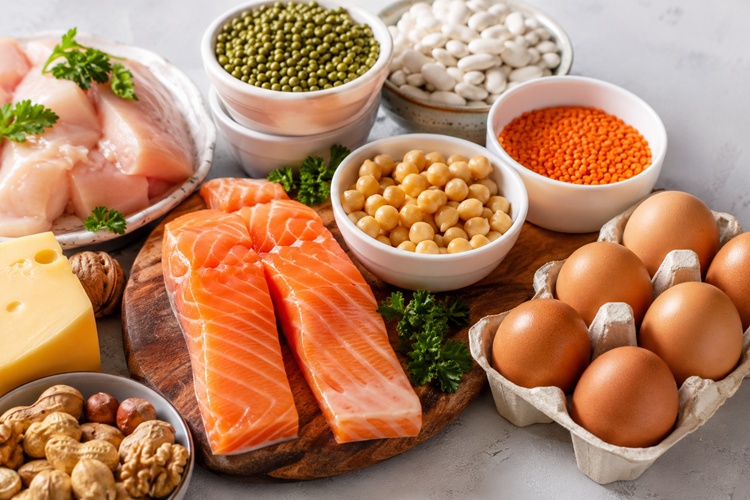
A high-protein diet supports muscle repair, promotes satiety, and helps preserve lean muscle mass during weight loss. Aim for 1.2–1.6g of protein per kilogram of bodyweight daily. Good sources include eggs, chicken, legumes, Greek yogurt, and tofu.
Eat Anti-Inflammatory Foods
Chronic low-grade inflammation can impair metabolic health and slow skin repair. Focus on:
- Omega-3 rich foods: salmon, walnuts, flaxseeds
- Antioxidant-rich vegetables: leafy greens, broccoli, bell peppers
- Whole grains over refined carbohydrates
Stay Hydrated
Proper hydration is one of the simplest ways to support skin elasticity. Aim for at least 2 litres of water per day. Dehydrated skin loses firmness faster, making the apron fold more pronounced.
Collagen-Supporting Nutrients
Vitamin C plays a key role in collagen synthesis. Citrus fruits, kiwis, and strawberries are excellent sources. Bone broth, collagen peptide supplements, and foods rich in zinc and copper also support connective tissue repair.
Lifestyle Habits and Skincare for Long-Term Results
Exercise and diet will do the heavy lifting, but consistency and recovery habits determine whether results stick.
Prioritize Sleep and Recovery
During sleep, the body repairs connective tissue and regulates cortisol, a stress hormone linked to lower abdominal fat storage. Poor sleep doesn’t just slow progress; it actively works against it.
Manage Stress Actively
Chronic stress elevates cortisol, which specifically encourages fat retention in the lower belly. Daily habits like walking, meditation, or even 10 minutes of breathwork can make a measurable difference.
Skin-Firming Topicals
While no cream will eliminate an apron belly, firming lotions containing retinol, caffeine, or hyaluronic acid can modestly improve skin texture when used consistently. Dry brushing before showering can also stimulate circulation in the area.
Non-Surgical Options
For those seeking additional support, non-surgical skin-tightening treatments such as radiofrequency therapy, ultrasound-based treatments, and cryolipolysis have shown results in clinical settings. These are best explored once you have reached a stable weight.
When to Seek Professional Advice

For many people, lifestyle changes alone produce meaningful improvement. But there are situations where professional evaluation is worthwhile.
Consult a Dermatologist if
- You have recurring skin irritation, rashes, or infection in the fold.
- Skin fold hygiene has become difficult to maintain
Consult a Plastic Surgeon if
- You’ve reached your goal weight and maintained it for at least 6–12 months
- Excess skin remains despite significant fat loss
- You are considering a tummy tuck (abdominoplasty), which surgically removes excess skin and tightens the abdominal wall
Abdominoplasty is a major procedure with a recovery period of several weeks, but for those with significant loose skin following massive weight loss or pregnancy, it can be life-changing. Always seek a medical evaluation from a board-certified surgeon before making any decisions.
Your Next Step Starts Today
A small apron belly is not a flaw or a failure; it’s a physical response to real things your body has been through. Weight loss, pregnancy, ageing, and hormonal change all leave marks, and that’s entirely human.
Progress won’t happen overnight. But with targeted exercise, smarter nutrition, and consistent daily habits, you will see change. The key is patience with the process and commitment to the long game.
If you’re ready to take a structured approach, explore our resources at apronbelly.co.uk for expert-led guides, workout plans, and community support tailored specifically for this goal.
Frequently Asked Questions
Exercise can reduce overall body fat and strengthen the muscles beneath the apron belly, but if significant loose skin is present, diet and lifestyle changes will also be needed. In cases where loose skin is the primary issue rather than fat, exercise alone is unlikely to eliminate the overhang entirely; non-surgical or surgical options may be worth exploring.
Most people notice meaningful changes within 8–12 weeks of regular exercise and dietary adjustments. Skin tightening typically takes longer, sometimes 6 months or more, as collagen remodelling is a slow process. Consistency is more important than intensity.
It’s often both. In a small apron belly, the lower fold usually contains a layer of subcutaneous fat beneath lax, stretched skin. You can do a rough self-check: if you can pinch a significant amount of fat in the fold, fat loss will make a visible difference. If the skin feels thin and deflated, loose skin may be the bigger factor.
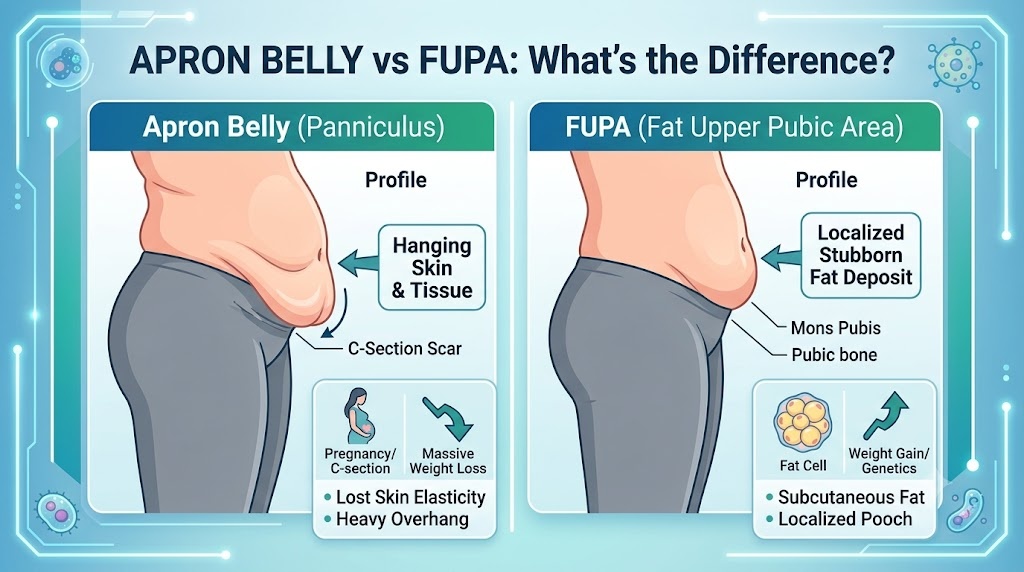
These terms are sometimes used interchangeably, but they’re slightly different. A FUPA (Fat Upper Pubic Area) refers specifically to fat accumulation in the pubic mound region, while an apron belly typically involves skin and fat hanging from the lower abdomen itself. Both can occur together. Check the complete comparison