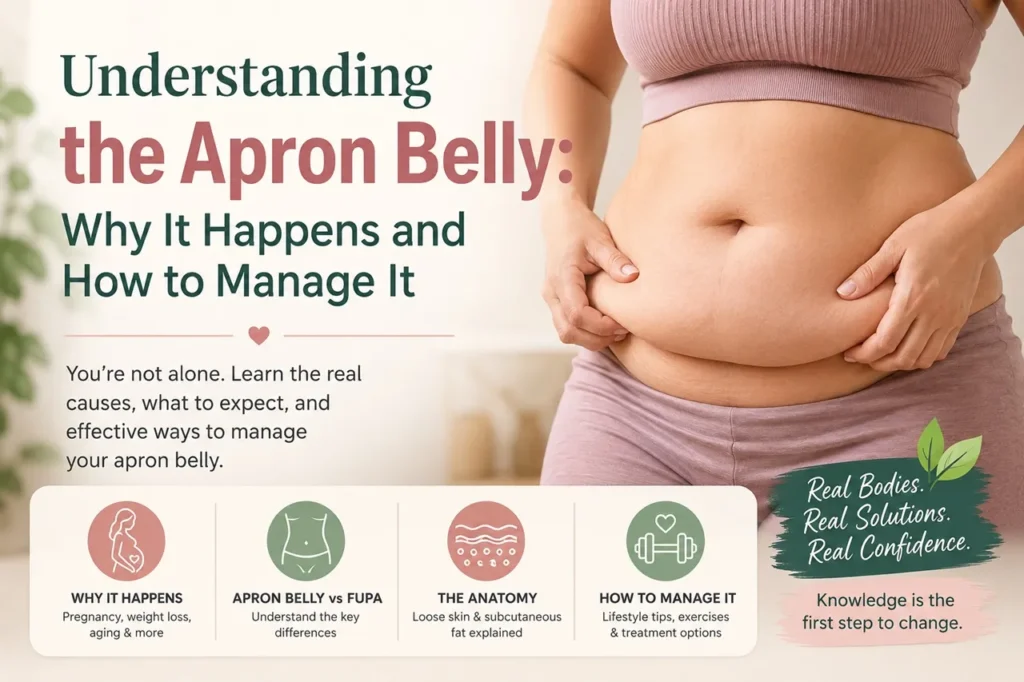

The most effective natural appetite suppressant nutrition tips are simple: build meals around protein, add fibre-rich volume foods, and drink water before and during meals. Together, these habits manage hunger so you can stay in a modest calorie deficit without feeling miserable.
This guide breaks down a repeatable, evidence-informed approach to nutrition and diet that keeps you full, prevents evening cravings, and supports lasting changes in body composition.
1. Start with the outcome you actually need
The real goal is not eating “clean”. It is staying in a modest calorie deficit without feeling miserable. That means your diet and nutrition choices need to manage hunger first. If you are constantly fighting cravings by 8pm, the plan is not working regardless of how nutritious it looks on paper.
Anchor your approach to the principles in our diet and nutrition guide for apron belly: reduce overall fat mass by eating slightly less than you burn, while keeping meals satisfying enough to repeat daily.

2. Set up the simplest workable system
Pick two or three high-protein meals you genuinely like and rotate them. Boring works. Variety is overrated when you are trying to build a consistent deficit. A diet for nutrition that relies on elaborate recipes fails the moment life gets busy.
Understanding what causes an apron belly makes it easier to see why consistency matters more than any single “superfood”, because the tissue involved responds to sustained energy balance over weeks, not days.

3. Follow the process without overcomplicating it
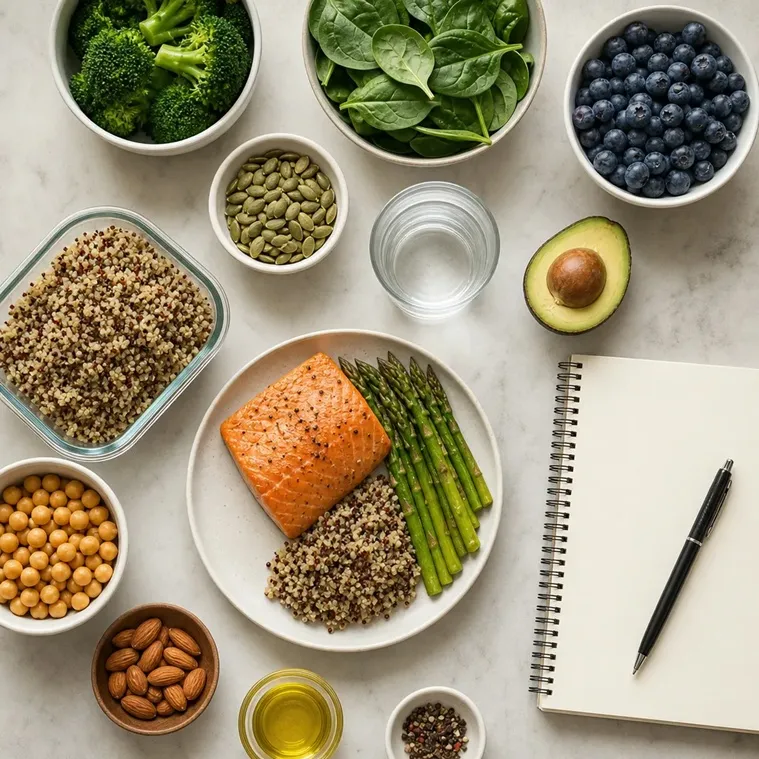
Build each meal around protein first, then add fibre-rich volume foods, such as leafy greens, courgette, cucumber and broth-based soups, that fill your stomach without adding many calories. This sequence naturally crowds out the foods that break a deficit and acts as a natural appetite suppressant by increasing satiety.
Diet and nutrition advice often overcomplicates this. If you want to know how to get rid of apron belly fat specifically, the honest answer is that a repeatable protein-and-fibre structure is the foundation everything else sits on.

4. Check what is working and what is not
After two weeks, ask one question: are you hungry most evenings? If yes, your nutrition and diet setup has a gap, which is usually not enough protein or fibre at dinner, or meals that are too small too early in the day.
Common pitfalls to check:
- Skipping breakfast then overeating at night
- Choosing low-calorie foods that are also low in protein
- Underestimating liquid calories from sauces, drinks, and snacks
Evening hunger is the most common reason a calorie deficit collapses. Fix the meal that precedes it, not your willpower.

5. Adjust when your situation changes
Work schedules, stress, travel, and hormonal shifts all affect appetite and adherence. A diet for nutrition that works in a calm week may fall apart during a stressful one. Build in a fallback: one or two ultra-simple meals, such as tinned fish, eggs or Greek yoghurt, that require almost no effort but still hit protein targets.
Diet and nutrition habits need to flex. If your usual routine breaks, default to the fallback rather than abandoning the approach entirely. Progress resumes faster when you have a minimum viable plan ready.

6. Drink water before and during meals
Drinking water before and during meals is one of the simplest natural appetite suppressant nutrition tips. It is unglamorous advice, but stomach volume matters for satiety signals. People who eat quickly and drink little during meals consistently report more hunger shortly after eating. Slowing down and adding fluid gives your body time to register fullness.
This single habit costs nothing and requires no planning. It will not transform your nutrition and diet overnight, but it reduces the chance that a perfectly structured meal still leaves you raiding the kitchen at 10pm.
FAQ about nutrition and diet
What is nutrition and diet?
Nutrition refers to the nutrients your body needs to function; diet refers to the foods and habits you use to supply them. Together, diet and nutrition describe how eating choices affect your health and body composition.
Does your diet need to be perfect to lose fat?
The most important thing is that diet for nutrition does not need to be perfect. It needs to be consistent. A modest, sustainable deficit beats an aggressive plan you abandon within a fortnight.
How do you know if an eating plan is working?
Choose the approach that keeps you full enough to repeat daily. If hunger is manageable and you are not miserable, the diet and nutrition structure is working regardless of which specific foods it includes.
Why do low-calorie diets leave you so hungry?
The biggest mistake is cutting calories without increasing protein and fibre. Low-calorie diets that are also low in satiety nutrients make hunger inevitable and make it very hard to get rid of apron belly fat over time.
Do small daily food changes really add up?
Yes. Diet and nutrition habits compound over weeks. Even small daily improvements to protein intake and meal structure produce meaningful changes in body composition when sustained consistently.
What should you look for when choosing an eating approach?
Compare how full you feel, how easy the meals are to repeat, and whether the approach fits your real schedule, not how “clean” or restrictive it looks. Diet for nutrition only works if you can actually sustain it.
What foods work as natural appetite suppressants?
High-protein foods (eggs, Greek yoghurt, tinned fish) and high-fibre volume foods (leafy greens, courgette, cucumber, broth-based soups) work as natural appetite suppressants. They fill your stomach and slow digestion, which helps you feel full on fewer calories.
How long does it take for these nutrition tips to reduce hunger?
Most people notice steadier appetite within one to two weeks of building meals around protein and fibre. If evening hunger persists after two weeks, adjust the size and composition of the meal that precedes it rather than relying on willpower.
Recommended next steps
If you are working on reducing abdominal fat, start by locking in one protein-first meal per day and building from there. Diet and nutrition changes work best when stacked gradually, because trying to overhaul everything at once usually fails. Use the guidance on how to get rid of apron belly to connect your nutrition habits to a broader, realistic plan.