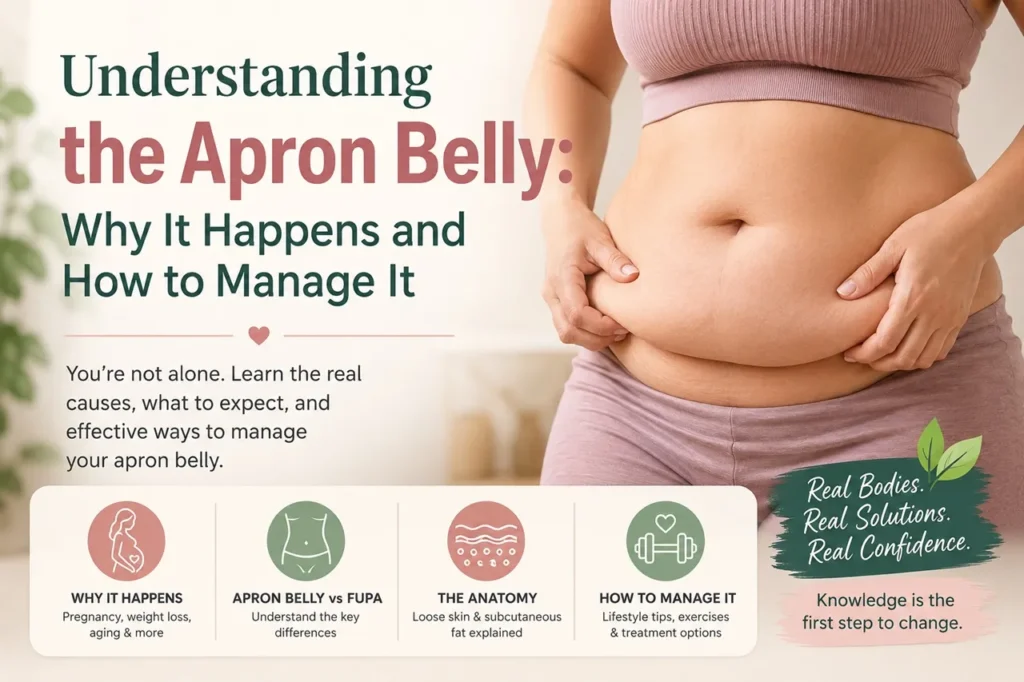

You’ve changed your diet. You’ve stayed consistent with exercise. The scale has moved, but that stubborn lower-belly pouch? Still there. If this sounds familiar, you’re not dealing with a willpower problem. You’re dealing with a hormonal one.
The PCOS apron belly is one of the most frustrating symptoms women with polycystic ovary syndrome face. Unlike general weight gain, this lower abdominal fat is driven by a specific hormonal environment, one that makes standard diet and exercise advice far less effective on its own. Understanding why it happens is the first step toward doing something about it.
This guide breaks down the hormonal mechanics behind PCOS-related belly fat, then walks you through the nutritional strategies, movement approaches, and lifestyle shifts that can actually make a difference. None of this is a quick fix. But with the right framework, real progress is possible.
Understanding the PCOS Apron Belly
Why Does PCOS Cause Lower Belly Fat?
PCOS creates a hormonal environment that actively encourages fat storage in the lower abdomen. Two key drivers are elevated androgens and chronically high cortisol.
Women with PCOS typically have higher-than-normal levels of androgens (often called “male hormones”), such as testosterone. According to the KMU, excess androgen production is one of the defining features of PCOS. These elevated androgen levels don’t just affect ovulation; they also shift where the body stores fat, pushing it toward the abdomen rather than the hips and thighs.
Cortisol adds another layer of complexity. When the body is under chronic stress, physical, emotional, or hormonal, it releases cortisol, which signals fat cells in the abdominal region to hold on to their stores. Many women with PCOS have dysregulated cortisol responses, making this pattern even more pronounced.
The result is a lower belly overhang that doesn’t respond the way it “should” to conventional weight loss efforts.
The Role of Insulin Resistance in PCOS Belly Fat
Insulin resistance is present in an estimated 70–80% of women with PCOS, making it one of the most significant contributors to hormonal imbalance and weight gain. Here’s how it works:
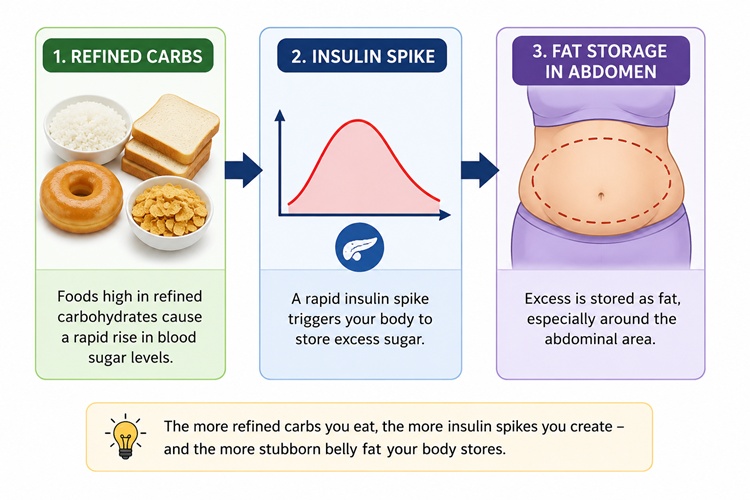
When cells become resistant to insulin, the pancreas compensates by producing even more of it. High circulating insulin doesn’t just affect blood sugar; it also directly stimulates the ovaries to produce more androgens, and it signals the body to store fat preferentially in the abdominal area.
Every blood sugar spike from refined carbs, sugary drinks, or skipped meals triggers another insulin surge. Over time, this cycle makes the PCOS belly pouch increasingly difficult to budge. Managing insulin isn’t just good metabolic health practice; for women with PCOS, it’s the foundation of everything else.
Nutritional Strategies to Combat PCOS Apron Belly
Anti-Inflammatory Foods That Support Hormonal Health
Chronic inflammation is closely linked to both insulin resistance and hormonal disruption in PCOS. An anti-inflammatory diet doesn’t need to be complicated. The core principle is straightforward: prioritize whole, minimally processed foods.
Focus on:
- Leafy greens – spinach, kale, arugula (high in magnesium, which supports insulin sensitivity)
- Fatty fish – salmon, sardines, mackerel (rich in omega-3s that reduce inflammatory markers)
- Colorful vegetables – bell peppers, broccoli, sweet potato (antioxidants that combat oxidative stress)
- Healthy fats – avocado, olive oil, nuts and seeds (support hormone production and reduce inflammation)
- Berries – blueberries, raspberries, strawberries (low glycemic, high in polyphenols)
These foods work together to lower inflammatory markers, improve insulin sensitivity, and support the hormonal balance that’s often disrupted in PCOS.
Balancing Blood Sugar: Why Meal Timing and Protein Matter
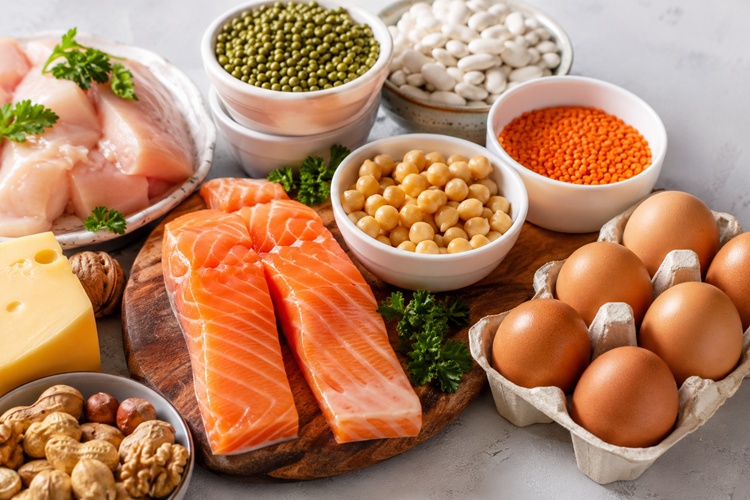
Consistent, protein-forward meals are one of the most effective tools for reducing insulin spikes throughout the day. Protein slows digestion, blunts the blood sugar response of carbohydrates, and keeps you fuller for longer, reducing the likelihood of reaching for high-glycemic snacks.
Practical strategies:
- Eat within an hour of waking. Skipping breakfast can trigger a cortisol spike and destabilize blood sugar for the rest of the day.
- Aim for 25–35g of protein per meal. Eggs, legumes, Greek yogurt, chicken, and tofu are all solid options.
- Don’t go longer than 4–5 hours without eating. Large gaps between meals can cause blood sugar to crash, followed by a compensatory spike.
- Pair carbohydrates with protein and fat at every meal. This dramatically slows glucose absorption.
For a more detailed meal planning approach tailored specifically to apron belly management, explore the full guides at apronbelly.co.uk.
Foods to Limit for PCOS Belly Management
Certain foods have an outsized impact on insulin levels and inflammation. Limiting these doesn’t mean eliminating all enjoyment from eating; it means being strategic.
Reduce or avoid:
- Refined carbohydrates – white bread, white rice, pastries, most breakfast cereals
- Sugary drinks – sodas, fruit juices, flavored coffees
- Ultra-processed snacks – chips, crackers, packaged baked goods
- High-glycemic foods – candy, sweetened yogurt, instant oatmeal
Small, consistent reductions in these foods have a measurable impact on insulin levels over time, and that is where the real hormonal shift begins.
Effective Physical Movements and Exercise for PCOS
The Myth of Spot Reduction
Let’s address this directly: you cannot lose fat from one specific area by exercising that area. No amount of crunches will melt away a PCOS belly pouch. Fat loss happens systemically, driven by hormonal shifts and an overall caloric deficit over time.
What targeted core work can do is strengthen the muscles beneath the lower abdomen, improve posture, reduce lower back strain, and make the midsection appear flatter and more supported. That’s a meaningful benefit, just a different one than people often expect.
Low-Impact Cardio: Why It’s Better for PCOS Than You Think
High-intensity exercise has its place, but for many women with PCOS, chronically high-intensity training can actually raise cortisol levels, worsening the hormonal environment that drives abdominal fat storage in the first place.
Low-impact cardio is different. Walking, swimming, and cycling keep heart rate in a moderate zone, support metabolic health, and help regulate cortisol rather than spike it. Studies suggest that regular moderate-intensity exercise improves insulin sensitivity in women with PCOS, making it one of the most effective non-pharmacological interventions available.
Practical targets:
- Walking: 30–45 minutes daily, ideally after meals to blunt post-meal blood sugar spikes
- Swimming: 2–3 sessions per week for full-body engagement without joint strain
- Cycling: Steady-state sessions of 20–40 minutes support cardiovascular health without excessive cortisol elevation
Strengthening the Core: Where to Start Safely
Core strengthening for women with PCOS, particularly those managing an apron belly, begins with the deep stabilizing muscles before progressing to surface-level exercises.
Pelvic floor activation and transverse abdominis work are the foundation. These muscles act as the body’s internal corset, providing structural support to the lower abdomen. Strengthening them won’t reduce fat, but it will improve posture and reduce the visual prominence of lower belly protrusion.
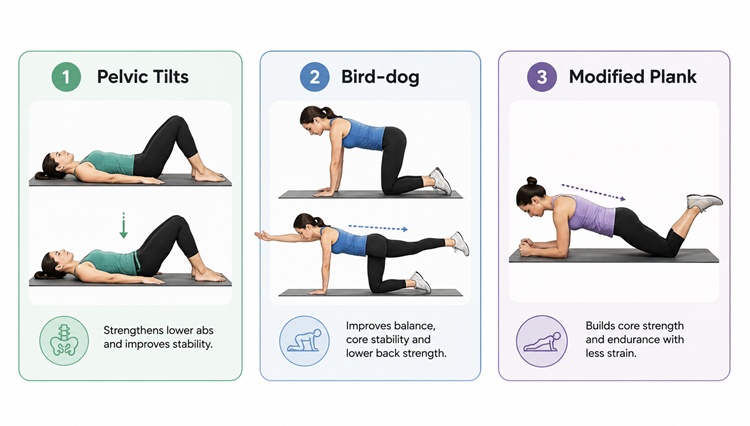
Safe starting exercises:
- Diaphragmatic breathing – activates the transverse abdominis with every exhale
- Pelvic tilts – lying on your back, gently flatten your lower back to the floor
- Bird-dogs – on all fours, extend opposite arm and leg while keeping the core engaged
- Modified planks – forearm plank with focus on drawing the navel toward the spine
For a step-by-step weekly core exercise routine, the apron belly exercise guide is a helpful starting point.
Lifestyle Changes That Make a Real Difference
Prioritising Sleep and Stress Management
Sleep is not a passive activity. During deep sleep, the body regulates cortisol, balances hunger hormones (ghrelin and leptin), and repairs metabolic function. Women with PCOS are disproportionately affected by sleep disruption, and poor sleep directly worsens insulin resistance.
Even one or two nights of poor sleep measurably elevates cortisol the following day, increasing appetite for high-calorie foods and promoting abdominal fat storage.
Strategies that support better sleep and lower cortisol:
- Consistent sleep and wake times, even on weekends
- Limiting screen exposure in the 60–90 minutes before bed
- Gentle movement in the evening – restorative yoga or stretching rather than intense exercise
- Magnesium glycinate before bed (discuss with a healthcare provider first, as dosing varies)
- Stress reduction practices – journaling, breathwork, or brief meditation sessions
Stress and sleep aren’t soft lifestyle factors. For women with PCOS, there are core metabolic interventions.
The Importance of Consistency Over Perfection
One of the most damaging things about PCOS is how it distorts the feedback loop most people rely on for motivation. You eat well for two weeks. You don’t see the results you expected. You feel defeated and give up. This pattern is extremely common and extremely understandable.
But hormonal change is slow. Insulin resistance doesn’t resolve in two weeks. Androgen levels don’t normalise in a month. Progress with PCOS-related weight management is measured in months, not weeks.
Track things beyond the scale:
- Energy levels throughout the day
- Sleep quality and duration
- Mood and anxiety levels
- Cycle regularity (if applicable)
- Clothing fit, not just weight
These markers often shift before the scale does, and they are genuine indicators that your hormonal environment is improving.
When to Consult a Healthcare Professional
Diet and exercise are powerful tools, but they aren’t always sufficient on their own for managing PCOS-related metabolic issues. If you’ve made consistent lifestyle changes for three to six months without meaningful progress, it’s worth having a conversation with your doctor or an endocrinologist.
Ask specifically about:
- Inositol (Myo-inositol and D-chiro-inositol) – a supplement with strong clinical evidence for improving insulin sensitivity and ovarian function in PCOS
- Metformin – a prescription medication that directly targets insulin resistance
- Comprehensive hormone panel – to assess androgens, fasting insulin, HOMA-IR, and thyroid function
- Referral to a registered dietitian with PCOS-specific experience
There is no shame in needing more than lifestyle intervention. PCOS is a medical condition with a real physiological basis. Getting appropriate clinical support is not a failure; it’s a strategy.
Moving Forward: Small Steps, Real Results
Managing a PCOS apron belly requires patience, consistency, and a genuine understanding of the hormonal drivers at play. The key principles are clear: reduce insulin spikes through balanced nutrition, support cortisol regulation through low-impact movement and quality sleep, and build deep core strength to improve posture and stability.
None of these changes works overnight. But each small shift creates conditions that make the next one easier.
Start with one meal per day that’s protein-forward and low in refined carbs. Add a 20-minute walk after dinner. Prioritise sleep this week. These aren’t dramatic changes, but compounded over months, they create a meaningfully different hormonal environment.
Frequently Asked Questions
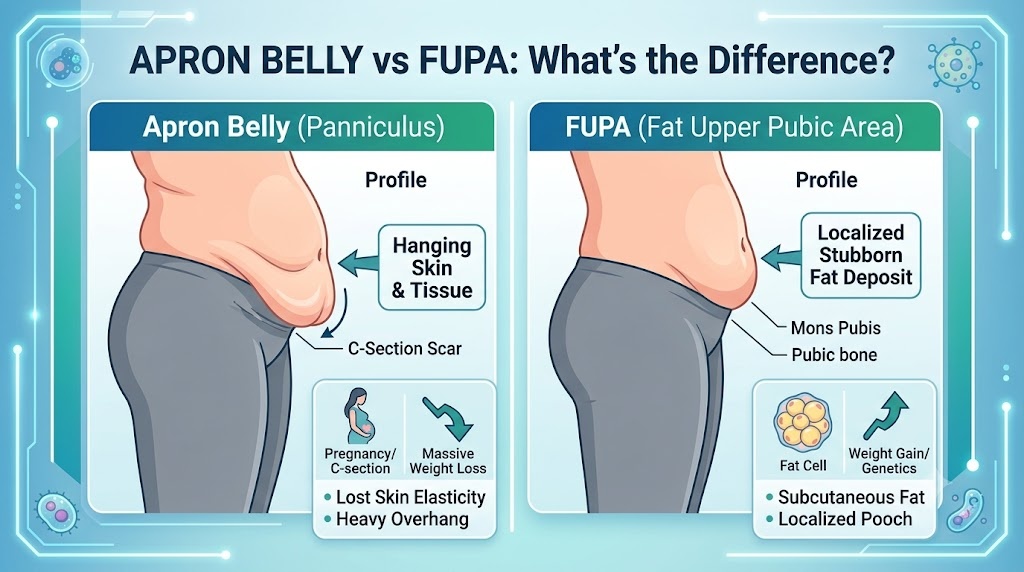
Yes, though the results depend on how much of the lower belly overhang is fat versus loose skin. Fat-driven PCOS belly pouches respond to hormonal management, dietary changes, and consistent movement. Loose skin after significant weight loss is a separate issue and may not fully retract without surgical intervention.
There is no shortcut, but the most impactful starting point is to reduce insulin resistance through dietary changes, specifically by lowering refined carbohydrate intake and eating consistent, protein-rich meals. This addresses the root hormonal driver of abdominal fat storage in PCOS.
Myo-inositol has demonstrated clinical effectiveness in improving insulin sensitivity and reducing androgen levels in women with PCOS. Since both are direct contributors to abdominal fat distribution, Inositol may help, but it works best alongside dietary and lifestyle changes rather than as a standalone solution.
Walking is one of the most effective exercises for women with PCOS because it improves insulin sensitivity without significantly elevating cortisol levels. A daily 30–45 minute walk, especially after meals, can make a measurable difference over time when combined with dietary changes.
Hormonal imbalance weight gain in PCOS tends to concentrate in the lower abdomen, and this area is often the last to respond to fat loss. High androgen and insulin levels protect abdominal fat stores. As these hormones normalize through dietary management and lifestyle changes, lower belly fat typically begins to shift, though this takes longer than fat loss elsewhere on the body.