

 21 Sep 2026
 6 min read
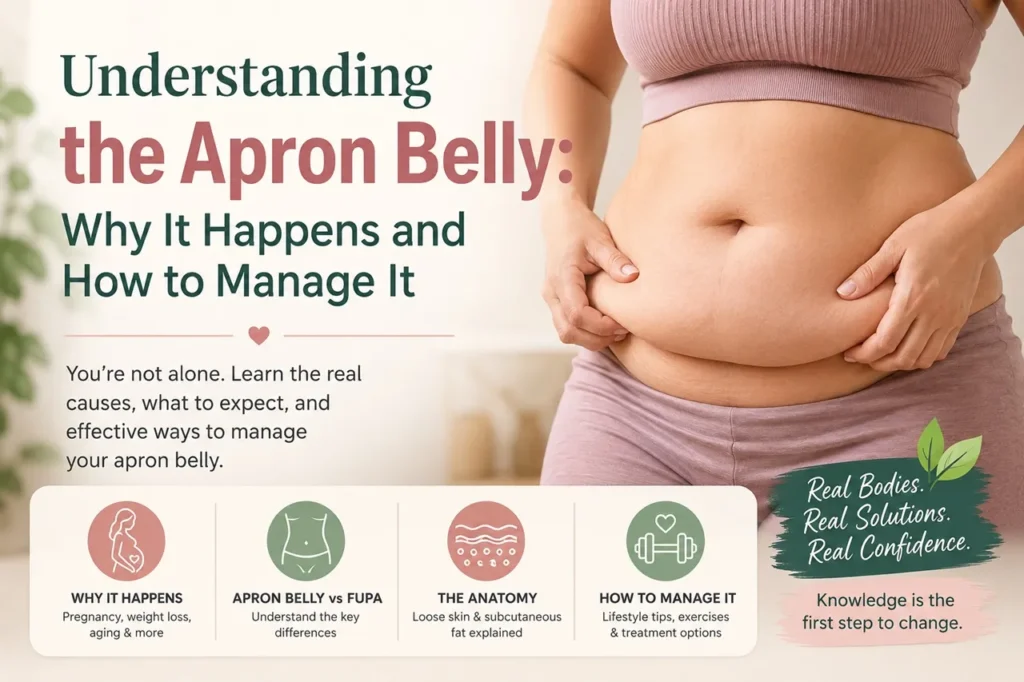
People searching “how to get rid of apron belly” in the UK often find broad advice that does not address the practical questions behind the search: what can realistically change, how to distinguish an apron belly from a FUPA, and what works for everyday comfort. Better answers begin by separating health goals, body-shape expectations and clothing decisions.
What how to get rid of apron belly means in practice
An apron belly usually refers to lower abdominal tissue that hangs or folds over the pubic area or upper thighs. It can involve a combination of skin, subcutaneous fat, muscle changes and body shape. The appearance varies considerably between individuals, so advice that treats every abdomen as the same is unlikely to be useful.
The phrase “how to get rid of apron belly” can also mean different things. One person may want to reduce overall body weight; another may want to improve strength, manage skin comfort or find jeans for apron belly that fit without digging in. These are related, but they are not identical goals.
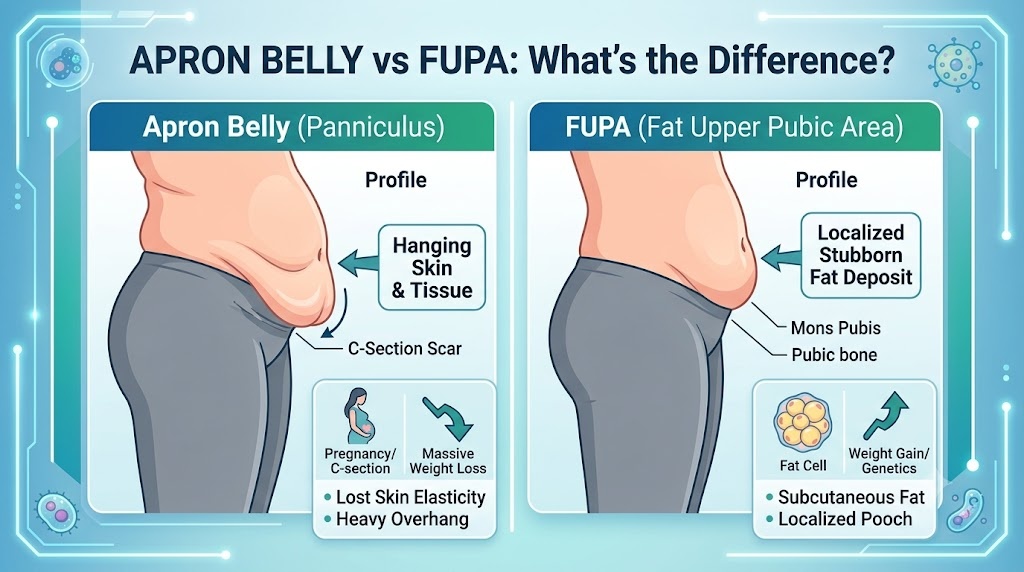
It is also worth clarifying apron belly vs FUPA. The terms are sometimes used interchangeably online, but they generally describe different areas: an apron belly tends to refer to a fold extending from the lower abdomen, while FUPA commonly describes fullness around the upper pubic region. Bodies can show features of both.
For UK readers, useful guidance should also account for everyday realities such as NHS care pathways, changing clothing sizes, limited time, weather, work routines and access to qualified healthcare advice. The Apron Belly home page provides broader context on these concerns.
How to think about how to get rid of apron belly
The core problem to understand

The central issue is that no single exercise, food or garment can be assumed to remove an apron belly. Changes in body composition may reduce abdominal fat over time, while strength work can support movement and function. Neither approach guarantees that loose skin or a particular fold will disappear.
A sensible answer to how to get rid of apron belly therefore starts with a clear target. Is the priority weight management, improved mobility, reduced irritation, better posture, confidence in clothing or discussion with a clinician? Defining that target helps prevent unrealistic promises.
Medical history matters too. Abdominal changes may follow weight fluctuations, pregnancy, surgery, menopause or other health factors. Anyone with sudden swelling, pain, a change in a longstanding lump, skin breakdown or persistent symptoms should seek medical advice rather than relying on general online guidance.
The practical decision criteria

A useful plan should be safe, sustainable and specific. For activity, that might mean choosing walking, resistance training or mobility work that fits current ability, then increasing gradually. For food, it means avoiding extreme restrictions and considering an overall eating pattern that is realistic to maintain.
Clothing is a separate but valuable part of the solution. When looking for jeans for apron belly, assess the rise, waistband comfort, stretch, leg shape and whether the garment stays in place while sitting and walking. A good fit should be judged by movement and comfort, not only by the labelled size.
Readers comparing apron belly vs FUPA should avoid using internet terminology as a diagnosis. Descriptions can help explain a concern, but a healthcare professional is better placed to assess pain, skin problems, hernias or other conditions.
Common mistakes to avoid
The most common mistake is expecting spot reduction. Exercises can strengthen particular muscles, but they do not selectively remove fat from one chosen area. Another mistake is treating rapid weight loss as the only meaningful outcome, even when the person’s main concern is comfort or function.
It is also unhelpful to assume that “tightening” means the same thing as removing excess skin. Improved muscle strength may change support and movement, but it cannot promise the removal of loose skin. Surgical options exist in healthcare settings for some people, but they involve clinical assessment, risks and recovery; this article focuses on non-surgical guidance.
Finally, avoid judging progress only by photographs or scales. Walking tolerance, clothing comfort, skin health and confidence may be more relevant measures for some people.
How to apply this to how to get rid of apron belly
Start by writing down one primary outcome and one secondary outcome. For example:
- Primary: improve daily mobility.
- Secondary: find more comfortable jeans for apron belly.
- Primary: support gradual weight management.
- Secondary: build abdominal and whole-body strength.
- Primary: manage rubbing or skin-fold discomfort.
- Secondary: understand when professional advice is needed.
Next, choose a small number of actions. A manageable routine could include regular walking, strength exercises suited to current ability, balanced meals and clothing adjustments. The exact approach should reflect fitness, medical conditions, previous injuries and personal preferences.
Review the plan after several weeks rather than changing it every few days. If an activity causes pain, unusual breathlessness or worsening symptoms, stop and seek appropriate advice. Guidance on exercise and apron belly concerns can help readers understand the principles, but it cannot replace individual medical assessment.
For clothing, measure comfort in real situations: sitting at a desk, travelling, bending and walking. For body-composition goals, focus on consistent habits rather than claims that a particular food or exercise will target the apron belly directly. For persistent skin irritation or uncertainty about a physical change, speak with a GP or another qualified healthcare professional.
FAQ about how to get rid of apron belly
Can you ever get rid of an apron belly?
An apron belly may change with overall weight management, activity and time, but outcomes vary. Fat reduction and loose skin are different issues, so complete removal cannot be promised through non-surgical methods.
What is the main cause of apron belly?
There is no single cause. An apron belly can reflect body-fat distribution, loose skin, weight changes, pregnancy, ageing, surgery or a combination of factors.
Can you tighten up an apron belly?
Strength training may improve muscle function and support, but it cannot guarantee removal of abdominal fat or loose skin. Choose exercises appropriate to your ability and seek advice if pain or other symptoms occur.
Can walking help reduce apron belly?
Walking can support general activity and weight-management goals, but it cannot target fat from one area alone. Begin at a comfortable level and build gradually where appropriate.
What should readers know first about how to get rid of apron belly?
The phrase covers several goals, including weight management, strength, comfort and appearance. Decide which outcome matters most before choosing an approach.
How do you choose the right how to get rid of apron belly approach?
Choose a plan that is safe, realistic and suited to your health, schedule and objective. Combine practical lifestyle changes with professional advice when symptoms or medical concerns are present.
What mistakes should you avoid with how to get rid of apron belly?
Avoid spot-reduction promises, crash diets and treating loose skin as identical to body fat. Be cautious with advice that guarantees results without explaining limitations or individual differences.
Is how to get rid of apron belly worth it for daily use?
It can be worthwhile when the goal is clearer movement, greater comfort, healthier routines or better-fitting clothing. Success should be measured against the outcome that matters to you, not a universal appearance standard.
Recommended next steps
The most useful next step is to define the concern precisely: body composition, loose skin, strength, skin comfort, clothing fit or a symptom requiring assessment. Then choose one sustainable action and track practical changes over time.
Readers can explore guidance on apron belly, FUPA and body shape before deciding whether they need tailored advice. For pain, sudden changes, persistent rashes, wounds or uncertainty about a medical condition, contact a GP or qualified clinician. No general guide can determine the right diagnosis or treatment for an individual.
Rachel has spent over a decade writing about women’s health, body composition, and post-pregnancy recovery for UK-based digital publications and NHS-adjacent health platforms. She holds a postgraduate certificate in science communication and has worked closely with physiotherapists and dietitians to translate clinical research into plain, usable advice. Her approach is straightforward: lead with what the evidence actually says, flag the limitations honestly, and skip the language that makes readers feel like a problem to be solved. She writes for people who have already Googled the optimistic version and want someone to level with them.