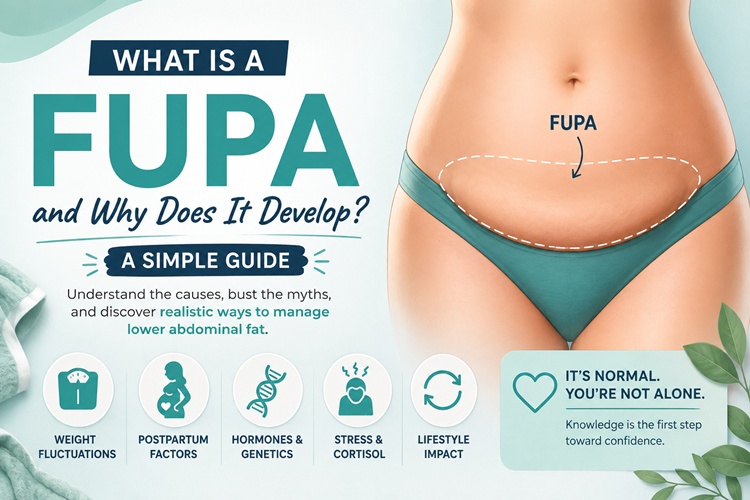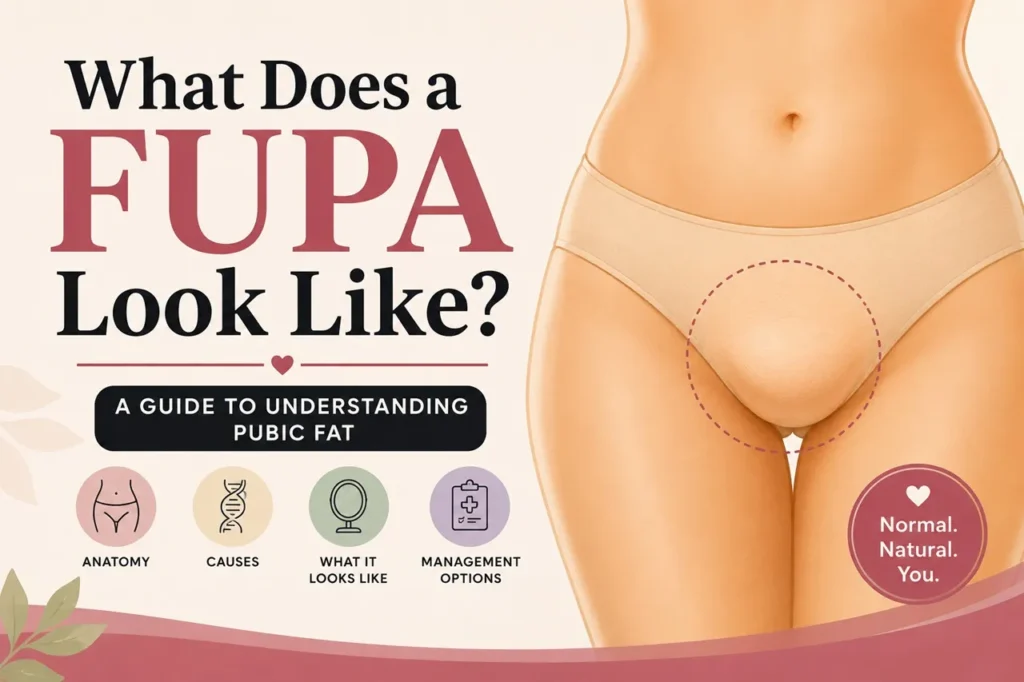

A lower belly pooch after pregnancy is something many women notice, even after the rest of their body starts to feel more like itself again. Your stomach muscles stretch during pregnancy, your body goes through major changes, and recovery takes time. So if your lower abdomen still looks or feels softer than it did before pregnancy, you are not doing anything wrong.
The good news is that there are practical ways to support your body after pregnancy. Gentle movement, rebuilding your core and pelvic floor strength, balanced eating, good sleep when possible, and patience can all play a role. However, postpartum pooch removal is not about forcing your stomach to become flat as quickly as possible.
Why Do You Have a Lower Belly Pooch After Pregnancy?
Pregnancy changes the abdominal area in several ways. As your baby grows, your abdominal muscles and surrounding tissues stretch to make room for the uterus. After birth, those tissues do not immediately return to their pre-pregnancy shape.
Your tummy may also look different because of changes in muscle strength, body fat, skin elasticity and posture.
This is why a lower belly pooch after pregnancy can remain for weeks, months or longer. Every body recovers differently.
Stretched abdominal muscles
The abdominal muscles naturally stretch during pregnancy. In some women, the two muscles running down the centre of the abdomen also separate. This is commonly called diastasis recti.
A small amount of separation can be part of normal pregnancy recovery. If you notice a persistent gap, significant weakness or a bulge that becomes more obvious when you strain, a GP or women’s health physiotherapist can assess you.
Loose or stretched skin
Skin stretches as the abdomen expands. After pregnancy, it may gradually become firmer, but the amount of change varies from person to person.
Creams, oils and supplements cannot guarantee that loose skin will disappear. A realistic approach focuses on overall recovery rather than expecting one product to remove a postpartum pooch.
Changes in body composition
Pregnancy naturally involves weight gain and changes in where the body stores fat. After giving birth, these changes do not disappear overnight.
If your goal includes gradual fat loss, it is better to focus on sustainable eating habits and regular activity rather than aggressive diets.
How to Get Rid of a Lower Belly Pooch After Pregnancy
There is no single exercise or food that specifically removes lower belly fat. Instead, postpartum recovery works best when you address the whole body.
1. Start with gentle movement
Walking is one of the simplest ways to become active after pregnancy. You can start with short, comfortable walks and gradually increase the duration as your strength improves.
Gentle movement can support your fitness, energy levels and overall recovery without placing unnecessary pressure on your recovering body.
If you had a straightforward birth, gentle activity can usually begin when you feel ready. After a caesarean or more complicated delivery, your recovery may take longer, so follow advice from your midwife, GP or healthcare professional.
2. Rebuild your deep core muscles
Your core is more than the muscles that create a visible six-pack. Deep abdominal muscles help support your trunk and work with your pelvic floor.
Instead of immediately jumping into intense abdominal workouts, start with controlled exercises that allow you to reconnect with your core.
For example, you can practise gently drawing your lower abdomen inward while breathing normally. The movement should feel controlled rather than forced.
The goal is to rebuild strength gradually.
3. Do your pelvic floor exercises
Pregnancy and childbirth place considerable demands on the pelvic floor. Strengthening these muscles is an important part of postpartum recovery.
Pelvic floor exercises can be practised regularly and can be combined with gentle deep-core work.
If you experience urinary leakage, pelvic pressure, pain or other pelvic floor symptoms, speak with a healthcare professional rather than simply increasing exercise intensity.
4. Progress your workouts slowly
Once your body has recovered enough for more activity, you can gradually add strength training and other forms of exercise.
A useful progression might look like this:
- Gentle walking
- Mobility and stretching
- Pelvic floor and deep-core exercises
- Low-impact strength exercises
- More challenging strength training
- Higher-impact exercise when your body is ready
You do not need to rush through these stages.
If an exercise causes pain, pressure, leaking or noticeable abdominal doming, stop and seek appropriate advice.
Should You Do Crunches for a Postpartum Pooch?
Crunches are often promoted as a quick solution for a flat stomach, but they are not automatically the best starting point after pregnancy.
Your abdominal muscles may still be recovering, particularly if you have abdominal separation or reduced core control. Some postpartum guidance recommends avoiding exercises that cause the abdomen to push outward or “dome”.
That does not mean you can never perform abdominal exercises again. It means your exercises should match your stage of recovery.
A women’s health physiotherapist can help you choose appropriate movements if you are unsure where to begin.
What About Planks and Leg Raises?
Planks, double-leg lifts and other demanding core exercises can place more pressure on the abdominal wall. They may eventually form part of a stronger workout, but they should not be treated as mandatory postpartum pooch exercises.
Pay attention to how your abdomen responds.
If you notice:
- A ridge or dome along the centre of your stomach
- Pain or discomfort
- Pelvic pressure
- Urine leakage
- Difficulty controlling the movement
reduce the intensity and consider getting professional advice.
Postpartum exercise should help you become stronger, not leave you feeling that you have to “fight” your body.
Can Walking Help Reduce a Lower Belly Pooch?
Walking can be a very useful part of postpartum recovery.
It burns energy, supports cardiovascular fitness and gives you an easy way to increase daily movement. It also fits realistically into life with a baby because you can often walk with a pram.
However, walking does not specifically burn lower belly fat. Fat loss happens across the body rather than from one chosen area.
Think of walking as one part of a bigger routine rather than a quick postpartum pooch removal method.
Does Diet Help With Postpartum Belly Fat?
Nutrition can support gradual changes in body composition, but extreme dieting is not a good solution after pregnancy.
Instead of cutting out entire food groups or dramatically reducing your food intake, build meals around nutritious foods that keep you satisfied.
Useful choices include:
- Vegetables and fruit
- Wholegrain carbohydrates
- Protein-rich foods
- Beans and lentils
- Dairy or suitable alternatives
- Healthy sources of fats
- Plenty of fluids
If you are breastfeeding, pregnant again, recovering from complications or dealing with a medical condition, speak with a qualified healthcare professional before making major dietary changes.
The goal should be nourishment and sustainable habits, not punishment.
How Long Does a Lower Belly Pooch Take to Go Away?
There is no universal timeline.
Some women notice significant changes within the first few months. Others continue to have a softer lower abdomen long after giving birth. Skin elasticity, genetics, pregnancy changes, muscle recovery, body composition and lifestyle can all influence how your stomach looks.
Your body also needs time to recover.
The NHS notes that the tummy can remain larger after delivery because the abdominal muscles have stretched, and that the shape can gradually change with balanced eating and exercise.
So rather than asking, “How quickly can I get rid of this?”, a more useful question is:
“How can I safely rebuild strength and support my recovery?”
That change in mindset can make postpartum fitness much more manageable.
When Should You Get Help for a Postpartum Pooch?
A lower belly pooch by itself is not usually a reason to worry. However, certain symptoms deserve professional attention.
Speak with your GP, midwife or a women’s health physiotherapist if you have:
- Persistent abdominal pain
- A noticeable abdominal gap that does not seem to improve
- Significant abdominal bulging or doming
- Ongoing urinary leakage
- Pelvic heaviness or pressure
- Pain during exercise
- Difficulty returning to normal daily activities
If you suspect diastasis recti, professional assessment can help you understand what is happening and which exercises are appropriate for you.
What Postpartum Pooch Removal Really Looks Like
There is a lot of pressure online to “get your body back” after having a baby. But your body does not need to return to exactly how it looked before pregnancy to be healthy or strong.
A realistic postpartum plan can include:
- Allowing your body time to heal.
- Starting with gentle movement.
- Rebuilding pelvic floor and deep-core strength.
- Progressing exercise gradually.
- Eating balanced, nourishing meals.
- Getting as much rest as your circumstances allow.
- Avoiding extreme diets and unrealistic fitness challenges.
- Getting professional support when symptoms persist.
These habits can support changes in strength, fitness and body composition without turning recovery into a race.
Lower Belly Pooch After Pregnancy: What to Remember
A lower belly pooch after pregnancy is common and does not mean that your body has failed to recover. Pregnancy stretches the abdominal area, and your body needs time to rebuild strength and adapt.
There is no magic exercise for postpartum pooch removal, and you cannot choose exactly where your body loses fat. Gentle movement, core and pelvic floor rehabilitation, balanced nutrition and gradual progression are more realistic strategies.
Most importantly, give yourself time. Your postpartum body deserves recovery, not punishment.
Frequently Asked Questions
Can you get rid of a lower belly pooch after pregnancy?
You may be able to reduce its appearance through gradual changes in body composition, improved core strength and recovery. However, some changes in skin, muscle shape and body structure may remain.
How long does postpartum belly fat take to go away?
There is no fixed timeline. Recovery varies based on factors such as pregnancy changes, muscle strength, body composition and individual healing.
What is the best exercise for a postpartum pooch?
There is no single best exercise. Walking, pelvic floor work and appropriate deep-core exercises can provide a useful starting point before gradually progressing to more challenging activity.
Can diastasis recti cause a lower belly pooch?
Abdominal muscle separation can contribute to changes in the shape and appearance of the abdomen. If you notice a persistent gap or abdominal doming, a healthcare professional or women’s health physiotherapist can assess you.
Are crunches good for postpartum belly fat?
Crunches do not specifically remove lower belly fat. Depending on your stage of recovery, they may also be inappropriate if they cause abdominal doming or discomfort.
Does breastfeeding get rid of a postpartum pooch?
Breastfeeding can increase energy demands, but it should not be treated as a guaranteed method of removing a postpartum pooch. Recovery, nutrition and activity remain individual.
Conclusion
Getting rid of a lower belly pooch after pregnancy is usually a gradual process rather than a quick transformation. Your abdominal muscles, pelvic floor, skin and body composition all need time to adjust after pregnancy and birth. Focus on gentle movement first, then gradually rebuild your core and overall strength. Support your body with balanced nutrition instead of extreme dieting. If you notice pain, persistent abdominal separation, leaking or other concerns, speak with a healthcare professional. Most importantly, remember that a postpartum pooch is a normal part of many women’s recovery journeys.
About the Author
The Apron Belly editorial team creates practical, evidence-informed content about postpartum body changes, belly pooches and realistic approaches to body confidence. Our content is designed to be supportive, judgement-free and grounded in reputable health guidance.