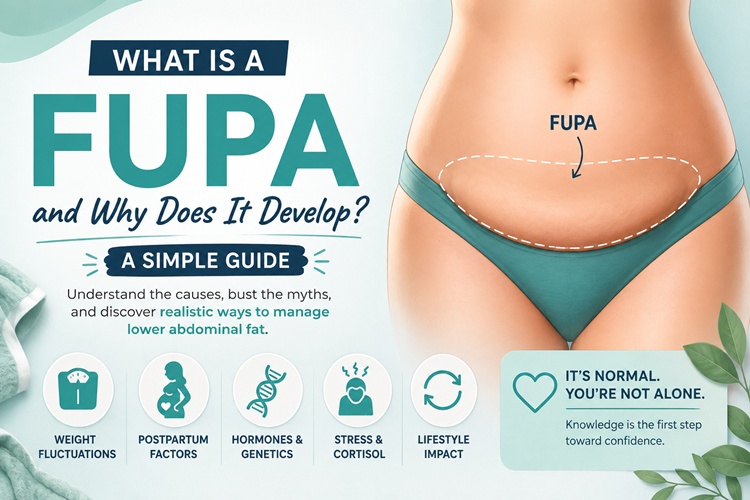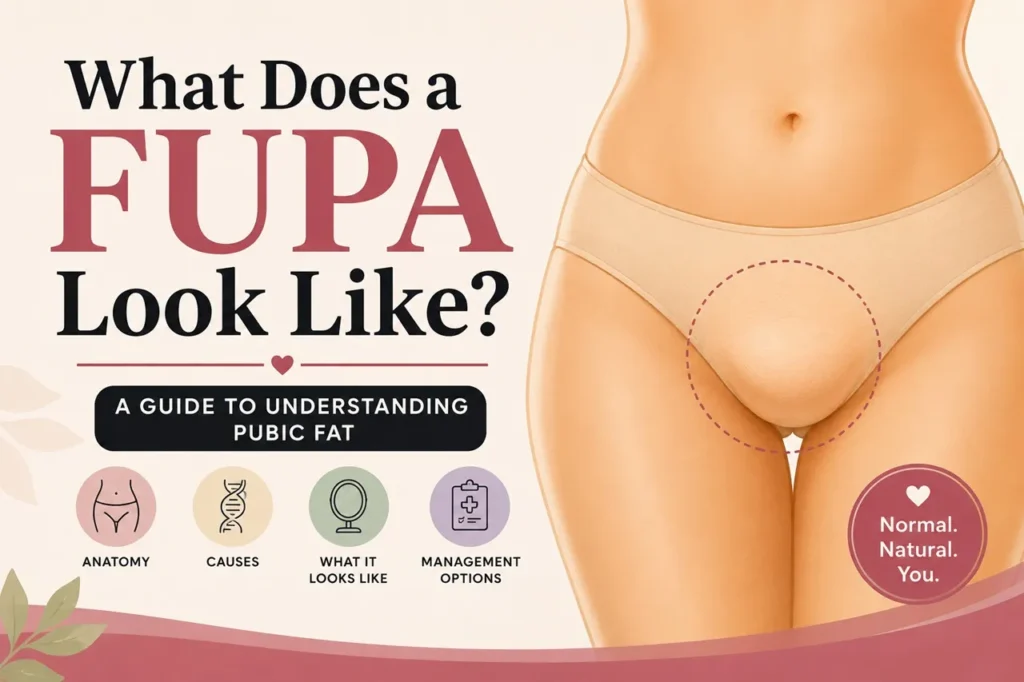

A mom pooch is the soft or rounded area of the lower abdomen that many women notice during or after pregnancy. It can remain even when someone loses much of their pregnancy weight, and it does not automatically mean that anything is wrong. Pregnancy can change abdominal muscles, connective tissue, skin and fat distribution, so the shape of the stomach may look different afterwards.
What Is a Mom Pooch?
“Mom pooch” is an informal term for a lower-belly bulge or rounded appearance that can develop during or after pregnancy. It is not a medical diagnosis, and the appearance can vary significantly from one woman to another.
For some women, the pooch mainly comes from changes in abdominal muscles. For others, body fat, stretched skin, posture or a combination of factors may contribute.
Pregnancy itself can create major changes in the abdominal area. As the uterus grows, the abdominal wall stretches to accommodate the baby. The NHS notes that it is normal for the tummy to remain larger after delivery because the abdominal muscles have stretched.
Therefore, having a mom pooch does not necessarily mean you have gained excess fat or failed to “bounce back.”
What Causes a Pooch Belly After Pregnancy?
There is rarely one single explanation. Several factors can influence the appearance of the lower abdomen.
1. Abdominal muscle changes
During pregnancy, the abdominal muscles stretch as the uterus grows. In some women, the two sides of the rectus abdominis muscles move further apart. This is known as diastasis recti, also called abdominal muscle separation or divarication.
The NHS explains that separation of the stomach muscles is common during pregnancy and often improves naturally after birth.
A persistent separation can sometimes be associated with:
- A visible abdominal bulge
- A feeling of weakness through the core
- A “doming” shape when getting up or exercising
- Back discomfort
- Difficulty feeling strong through the middle
However, not every mom pooch is caused by diastasis recti.
2. Changes in body fat
Pregnancy can also change body composition. Some women retain additional fat around the abdomen after having a baby.
Where the body stores fat depends on several factors, including genetics, age, hormones, activity levels and overall energy balance.
That means two women can have similar pregnancies and completely different abdominal shapes afterwards.
3. Stretched skin and connective tissue
The skin and tissues around the stomach stretch as the abdomen expands. Although some of this tissue gradually changes after birth, it may not return to exactly the same appearance as before pregnancy.
Loose or stretched skin can therefore contribute to a softer lower-belly appearance even when someone has relatively little abdominal fat.
4. Posture and core strength
Pregnancy can affect the way you stand, walk and use your abdominal muscles.
If your deep abdominal muscles are weaker after pregnancy, your stomach may appear more prominent. Likewise, changes in pelvic position or posture can alter how the lower abdomen looks.
NHS guidance notes that the abdominal and lower-back muscles may be weaker after having a baby, which is one reason a gradual return to exercise is recommended.
5. Genetics and natural body shape
Finally, some women naturally carry more weight around their lower abdomen.
Your body shape is influenced by genetics, and pregnancy does not erase those natural differences. Therefore, trying to achieve someone else’s stomach shape may create unrealistic expectations.
Mom Pooch vs. Belly Fat: Are They the Same?
Not necessarily.
A mom pooch can include abdominal fat, but it can also involve stretched skin, changes in muscle structure and posture. In many cases, several factors exist at the same time.
| Mom Pooch | Abdominal Fat |
| May develop or become more noticeable after pregnancy | Can occur regardless of pregnancy |
| May involve muscles, skin and connective tissue | Primarily relates to stored body fat |
| Can remain even after weight loss | Often changes as overall body fat changes |
| May be affected by posture and core strength | Is influenced by overall energy balance |
| Not a medical diagnosis | A normal component of body composition |
This distinction matters because exercise alone cannot completely change loose skin or connective tissue.
Likewise, losing weight cannot selectively remove fat from one specific area.
Can You Get Rid of a Mom Pooch?
You can often improve abdominal strength and overall fitness, but it is important to be realistic about what “fixing” a mom pooch means.
There is no exercise that can guarantee a completely flat stomach. Additionally, spot reduction is not a reliable way to lose abdominal fat. Doing hundreds of crunches, for example, does not force your body to burn fat specifically from the lower stomach.
Instead, focus on overall health and gradual progress.
Step 1: Build back into exercise gradually
If you have recently given birth, start with activities that match your recovery stage.
For an uncomplicated birth, the NHS says gentle exercise such as walking, gentle stretches and pelvic floor exercises can begin when you feel ready. However, people recovering from a caesarean or more complicated delivery may need additional recovery time and professional advice before strenuous activity.
Walking is an excellent starting point because it is simple, accessible and easy to increase gradually.
Step 2: Strengthen your deep core
A strong core involves more than visible “six-pack” muscles.
Deep abdominal muscles help support the trunk and pelvis. Gentle postnatal exercises can help rebuild strength without immediately placing excessive demands on the abdominal wall.
The NHS recommends pelvic floor and deep stomach muscle exercises for women experiencing abdominal muscle separation after pregnancy.
Step 3: Pay attention to abdominal doming
If your stomach noticeably pushes outward or forms a dome during an exercise, do not simply push through it.
Some NHS physiotherapy guidance recommends avoiding abdominal movements that cause this type of doming during early postnatal recovery and seeking advice from a women’s health physiotherapist if it continues.
Exercises should challenge your muscles without causing pain or obvious worsening of symptoms.
Step 4: Improve your overall activity level
Once your body is ready, combine strength training with regular cardiovascular activity.
You do not need extreme workouts. Walking, cycling, swimming and appropriately progressed strength exercises can all contribute to better fitness.
The NHS recommends regular physical activity as part of healthy weight management and suggests building activity into everyday life rather than trying to change everything at once.
Step 5: Focus on sustainable eating habits
If abdominal fat is contributing to your mom pooch, gradual changes to your overall diet can help support healthy weight management.
Rather than following an extreme diet, focus on habits you can maintain, such as:
- Eating plenty of vegetables and fruit
- Including protein-rich foods
- Choosing high-fibre carbohydrates
- Drinking enough fluids
- Limiting highly processed foods where practical
- Paying attention to portion sizes
If you are breastfeeding, pregnant again or dealing with specific nutritional needs, speak with an appropriate healthcare professional before making significant dietary changes.
Common Mom Pooch Myths
Myth 1: Every mom pooch is caused by fat
False. Abdominal muscle separation, stretched skin, posture and natural body shape can all contribute.
Myth 2: Crunches will flatten your lower belly
Not necessarily. Abdominal exercises can strengthen muscles, but they cannot selectively burn fat from the lower stomach.
Myth 3: You should have your pre-pregnancy stomach back quickly
There is no universal timeline. Recovery varies depending on pregnancy, delivery, genetics, muscle changes, activity and many other factors.
The NHS notes that separated abdominal muscles commonly improve during the weeks after birth, although some women need further assessment and physiotherapy.
Myth 4: A mom pooch means your body is unhealthy
Not automatically. Body shape alone cannot tell you whether someone is healthy.
A lower-belly curve can be completely normal, including after pregnancy.
Myth 5: You need intense workouts to change it
No. Gradual activity and appropriate strengthening can be much more sustainable than extreme exercise.
In fact, the NHS recommends starting gently after birth and gradually increasing activity as your recovery allows.
When Should You Speak to a Healthcare Professional?
A mom pooch itself is not automatically a medical problem. However, persistent symptoms deserve attention.
Consider speaking with your GP, midwife or a women’s health physiotherapist if you notice:
- Persistent abdominal pain
- Significant abdominal weakness
- A noticeable gap or bulge that does not improve
- Repeated doming of the abdomen during movement
- Back or pelvic discomfort
- Difficulty returning to normal daily activities
- Concerns about your recovery after childbirth
The NHS advises contacting a GP if abdominal muscle separation remains obvious around 8 weeks after birth, particularly because some women may experience discomfort or be at risk of back problems.
How Long Does It Take to Improve a Mom Pooch?
There is no guaranteed timeline.
Some changes happen naturally during the first weeks and months after pregnancy. Other changes may take longer, especially when body composition, abdominal muscle separation or loose skin are involved.
Therefore, avoid judging your progress from week to week.
A better approach is to monitor functional improvements, such as:
- Feeling stronger during everyday movements
- Improved posture
- Greater exercise tolerance
- Better core control
- Gradual changes in overall body composition
Most importantly, give your body time.
Frequently Asked Questions
What exactly is a mom pooch?
A mom pooch is an informal term for a rounded or protruding lower abdomen that can appear during or after pregnancy. It may relate to body fat, stretched skin, abdominal muscle changes, posture or several factors together.
What causes a pooch belly after pregnancy?
Common contributors include pregnancy-related stretching of the abdominal wall, diastasis recti, changes in body fat, loose skin, posture and reduced core strength.
Can exercise get rid of a mom pooch?
Exercise can improve overall fitness, strengthen the abdominal muscles and support healthy weight management. However, it cannot guarantee complete removal of a lower-belly pooch or selectively burn abdominal fat.
Is a mom pooch the same as diastasis recti?
No. Diastasis recti is a specific change involving separation of the abdominal muscles. A mom pooch can have several causes and does not automatically mean someone has diastasis recti.
Can you flatten your stomach after pregnancy?
Some women see their abdominal shape change significantly with recovery, activity and changes in body composition. However, pregnancy can permanently change skin, connective tissue and body shape, so a completely flat stomach is not a realistic or necessary goal for everyone.
When should I get help for a mom pooch?
Speak with a GP, midwife or appropriate physiotherapist if you have persistent pain, significant weakness, a noticeable abdominal gap or bulging that does not improve, or concerns about your postnatal recovery.
Conclusion
A mom pooch is a common description for the lower-belly changes that can happen during and after pregnancy.
It is not automatically a sign of excess fat or poor fitness.
Pregnancy can affect abdominal muscles, connective tissue, skin, posture and body composition.
Gentle, progressive exercise and sustainable lifestyle habits can support recovery and overall fitness.
However, spot reduction and overnight transformations are unrealistic.
If you have persistent pain, weakness or abdominal separation, professional guidance can help you understand what is happening.
For more practical advice, read our related apron belly and belly pooch guides to find realistic ways to work with your changing body.
About the Author
This article was written by the Apron Belly Hub editorial team, who research body-shape and post-pregnancy topics using credible health information, including guidance from the NHS and NHS-affiliated healthcare services. Our goal is to provide practical, judgement-free information while encouraging readers to seek professional advice when symptoms or concerns require individual assessment.