
Most people searching for how to get rid of apron belly want a straightforward answer. Here it is: the fat component of an apron belly can shrink meaningfully with consistent effort, but loose skin responds far less to lifestyle changes, and no exercise targets fat removal from one specific area. Understanding which part of the problem you are actually dealing with changes everything about the approach you take.
What how to get rid of apron belly means in practice
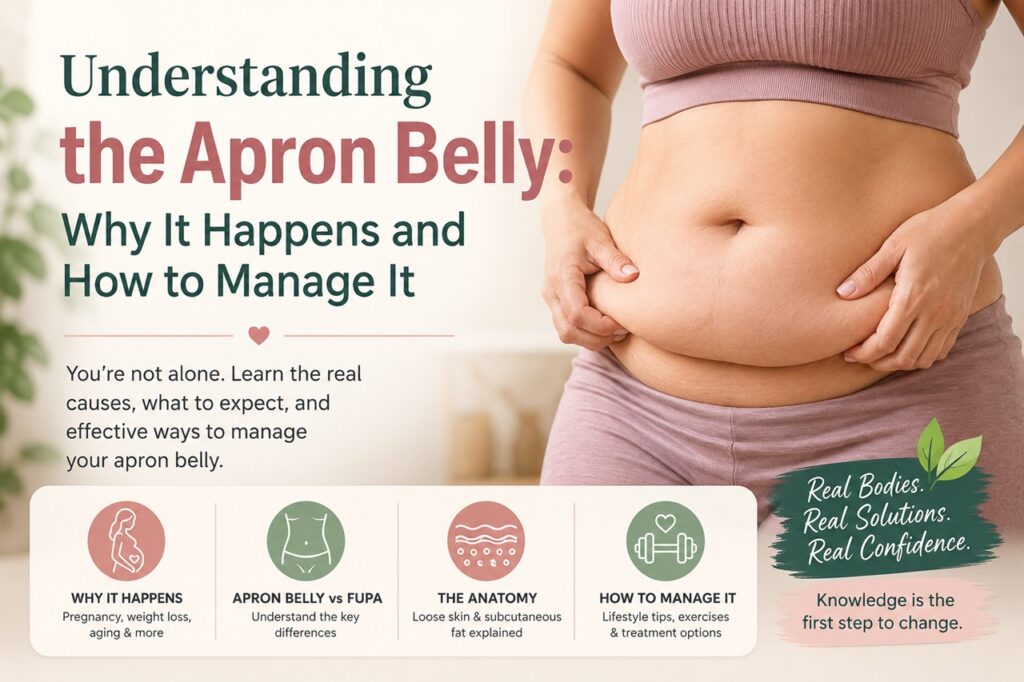
An apron belly — sometimes called a pannus or abdominal apron — is the fold of skin and fat that hangs over the lower abdomen and sometimes the pubic area. For most people it develops after significant weight gain, pregnancy, or both. The fold contains two distinct components: subcutaneous fat stored beneath the skin, and in some cases stretched or excess skin that remains after the fat has been reduced. These two components behave very differently in response to diet, exercise, and time.
When someone searches for how to get rid of apron belly, they are usually hoping for a plan that removes the visible overhang entirely. That is a reasonable goal, but the honest answer is that the outcome depends heavily on how much of the fold is fat versus how much is skin. Fat responds to a sustained calorie deficit and increased physical activity. Skin that has been permanently stretched beyond its elastic capacity does not reverse through lifestyle changes alone.
This distinction matters because it determines whether the goal is achievable through diet and nutrition and exercise, or whether it eventually requires a surgical consultation. For the majority of people who are still carrying significant excess weight, there is a great deal that can be done before that question even becomes relevant. Managing your apron belly effectively starts with understanding what you are working with.
The practical goal for most people is not perfection — it is meaningful reduction. Apron belly before and after comparisons from people who have lost substantial weight consistently show that the overhang reduces in size, becomes less pronounced, and in many cases lifts noticeably. That is a realistic and worthwhile outcome.
How to think about how to get rid of apron belly
Before building a plan, it helps to understand the biology involved. Spot reduction — the idea that you can burn fat from a specific area by exercising that area — is not supported by evidence. Doing hundreds of crunches will not preferentially remove fat from the lower abdomen. Fat is mobilised from stores throughout the body in response to a whole-body calorie deficit, and the order in which different areas reduce is largely determined by genetics and hormones, not by which muscles you train.
This does not mean exercise is irrelevant. It means the type of exercise that matters most for fat loss is not the type most people instinctively reach for. Understanding what an apron belly is at a physiological level makes it much easier to choose the right strategy rather than wasting months on approaches that cannot deliver the result you want.
The core problem to understand
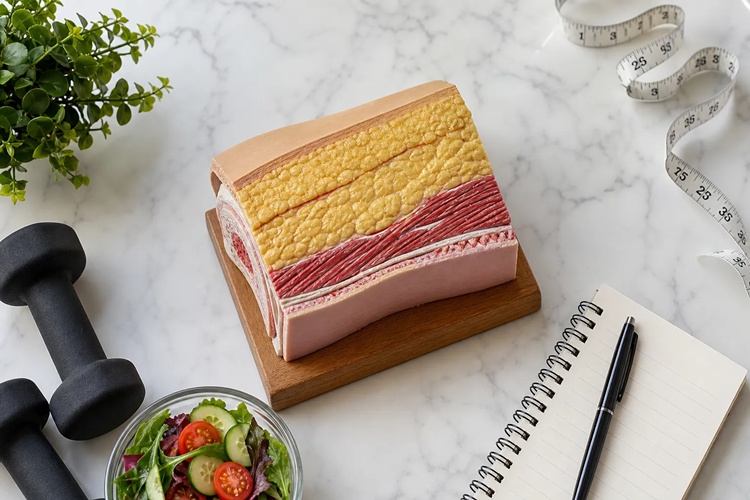
The apron belly sits in the lower abdominal region, and fat in this area tends to be among the last to reduce during weight loss for many people, particularly women. This is not a flaw in the plan — it is normal physiology. The body preferentially releases fat from some areas before others, and the lower abdomen and pannus region often hold on longer than the face, arms, or upper body.
This means that visible progress in the apron area may lag behind overall weight loss by weeks or months. Someone who has lost a stone may not yet see a dramatic change in the fold itself, even though their total body fat has decreased. This is one of the most common reasons people abandon a plan that is actually working. Patience is not a passive virtue here — it is a functional requirement of the process.
The other core problem is that many people underestimate how much weight loss is required before the apron belly changes noticeably. A small calorie deficit maintained for a few weeks produces modest results. A sustained, consistent approach maintained over many months produces the kind of apron belly before and after transformation that is actually visible. The biology is not complicated, but the timeline is longer than most people expect.
The practical decision criteria

There are four levers that genuinely move the needle on reducing an apron belly through lifestyle change: calorie deficit, protein intake, resistance training, and daily movement. Each one contributes differently, and neglecting any of them slows progress.
A calorie deficit is the non-negotiable foundation. Without it, fat stores do not reduce regardless of how much exercise you do. The deficit does not need to be aggressive — a moderate reduction of around 300 to 500 calories per day is sustainable and reduces the risk of muscle loss. Crash dieting tends to cause disproportionate muscle loss alongside fat loss, which worsens body composition and makes the skin appear looser rather than tighter.
Protein intake supports
Protein intake supports muscle retention during weight loss and increases satiety, which makes maintaining the deficit easier. Diet and nutrition choices that prioritise adequate protein — from sources such as chicken, fish, eggs, legumes, or Greek yoghurt — help preserve the lean tissue that gives the body its underlying shape. When people lose weight without sufficient protein, they often find that the apron belly looks softer and more deflated rather than firmer, because the supporting musculature has also reduced.
Resistance training — exercises that load the muscles, such as squats, deadlifts, rows, and pressing movements — builds and preserves muscle mass during a calorie deficit. This matters for the apron belly because stronger abdominal and core muscles provide better structural support to the lower abdomen, and a higher proportion of muscle to fat improves the overall appearance even before the apron itself has fully reduced.
Apron belly exercises that specifically target the core, such as dead bugs, bird dogs, pelvic tilts, and glute bridges, do not burn the fat overlying those muscles, but they do strengthen the musculature underneath. This can improve posture, reduce lower back strain, and create a firmer foundation as fat loss progresses. Walking deserves particular mention: it is low-impact, sustainable, and contributes meaningfully to daily calorie expenditure without the recovery demands of high-intensity training. For people who are significantly overweight or who have joint concerns, consistent daily walking is often the most practical and effective form of apron belly exercise to begin with.
Common mistakes to avoid

The most common mistake is attempting spot reduction through high-volume abdominal exercise while ignoring diet and nutrition. Doing sit-ups and crunches for thirty minutes a day will not remove the apron belly if the calorie intake remains above maintenance. The muscles will strengthen, but the fat layer above them will not reduce without a whole-body energy deficit.
The second common mistake is setting an unrealistic timeline. People who expect dramatic apron belly before and after results within four to six weeks are likely to be disappointed and quit. Meaningful fat loss in the lower abdominal region typically requires several months of consistent effort, and the skin component — if present — may not change at all through lifestyle intervention alone.
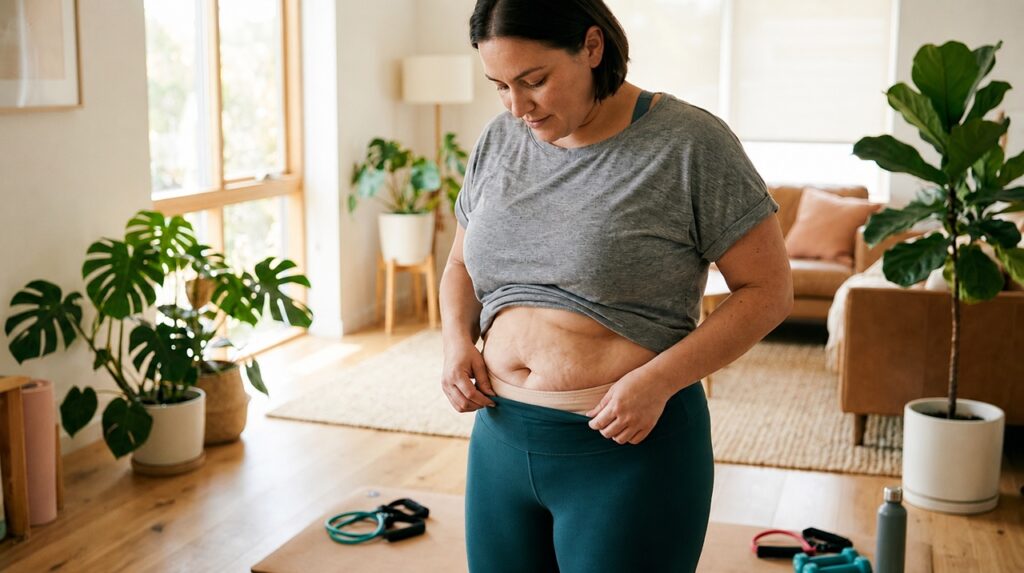
A third mistake is confusing skin with fat. As weight loss progresses, some people find that what remains is not a fat-filled fold but a relatively flat, loose skin overhang. This is a different problem with different solutions. Lifestyle changes will not tighten significantly stretched skin. Recognising this distinction early prevents months of frustration directed at the wrong target.
Finally, many people neglect sleep and stress management, both of which influence cortisol levels and fat distribution. Chronically elevated cortisol is associated with increased abdominal fat storage. Improving sleep quality and managing stress are not optional extras — they are part of the physiological environment in which fat loss either happens efficiently or stalls.
How to apply this to how to get rid of apron belly
Translating the principles above into a practical daily structure makes the difference between understanding the theory and actually making progress. The following framework is not a rigid programme — it is a set of priorities to organise around.
Start with diet and nutrition. Calculate a rough daily calorie target that puts you in a moderate deficit, and ensure that protein makes up a meaningful proportion of your intake. You do not need to count every gram obsessively, but having a general awareness of whether you are eating above or below maintenance is essential. Meals built around a protein source, vegetables, and a moderate amount of whole-food carbohydrates tend to support satiety and energy levels without requiring complicated tracking.
Add daily walking before adding any other form of exercise. Aim for a target that is achievable given your current fitness level and gradually increase it. Walking after meals has the added benefit of improving blood glucose regulation, which supports fat metabolism over time. It is also genuinely sustainable in a way that intense daily workouts often are not.
Introduce two to three resistance training sessions per week once walking is established. These do not need to be gym-based — bodyweight exercises performed at home are effective, particularly in the early stages. Focus on compound movements that work multiple muscle groups simultaneously rather than isolation exercises targeting only the abdomen.
Specific apron belly exercises
Incorporate specific apron belly exercises for core strengthening two to three times per week. These are most effective when performed as part of a broader resistance routine rather than in isolation. Exercises such as dead bugs, pelvic tilts, and modified planks are accessible for most fitness levels and do not place excessive strain on the lower back.
Track progress by measurements and how clothing fits rather than by the scales alone. The scales do not distinguish between fat, muscle, water, and other factors. Waist and hip measurements taken monthly give a clearer picture of whether body composition is changing in the right direction.
Looking at apron belly before and after pictures from people who have followed a similar approach can help calibrate realistic expectations. The visual evidence from genuine transformations consistently shows that the process is gradual, non-linear, and highly individual — but also that meaningful change is achievable with sustained effort.
If, after significant weight loss, the remaining overhang appears to be primarily loose skin rather than fat, that is the point at which a conversation with a GP or a plastic surgeon becomes relevant. Procedures such as a panniculectomy or abdominoplasty address excess skin surgically and are outside the scope of lifestyle intervention. Some people in this situation find that the skin causes practical problems — skin irritation, hygiene difficulties, or mobility issues — which can support a case for medical referral.
FAQ about how to get rid of apron belly
Can you ever get rid of an apron belly?
Yes, though the outcome depends on whether the fold is primarily fat or loose skin. Fat can reduce substantially through sustained weight loss; excess skin may require surgical intervention to remove fully.
What tightens the apron belly?
Reducing the fat content through a calorie deficit and building core and abdominal muscle through resistance training both contribute. Skin tightening through lifestyle change is limited once the skin has been significantly stretched.
What is the main cause of apron belly?
The main causes are significant weight gain, pregnancy, or both, which stretch the abdominal skin and accumulate subcutaneous fat in the lower abdominal region over time.
What exercise is best for apron belly?
No single exercise removes fat from the apron area specifically. A combination of regular walking for calorie expenditure and compound resistance training for muscle preservation produces the best overall results alongside a calorie deficit.
What should readers know first about how to get rid of apron belly?
Spot reduction is a myth — no exercise targets fat removal from one area. Sustainable fat loss through a whole-body calorie deficit is the only evidence-based method for reducing the fat component.
How do you choose the right how to get rid of apron belly approach?
Assess whether your fold is primarily fat or loose skin. If significant excess weight remains, prioritise diet and nutrition and consistent exercise. If weight is already at a healthy level and skin is the main issue, consult a medical professional.
What mistakes should you avoid with how to get rid of apron belly?
Avoid relying on abdominal exercises alone, setting an unrealistic timeline, and ignoring diet and nutrition. These three errors account for the majority of failed attempts.
Is addressing how to get rid of apron belly worth the sustained effort?
Yes — even partial reduction improves comfort, posture, clothing fit, and confidence. The process also delivers broader health benefits that extend well beyond the apron belly itself.
Recommended next steps
The most productive first step is an honest assessment of where you currently are. If you are carrying significant excess weight, the priority is establishing a sustainable calorie deficit supported by adequate protein and daily movement. Apron belly exercises for core strength are a useful addition once the foundational habits are in place, but they are not the starting point.
If you have already lost substantial weight and the overhang persists, the next step is determining whether what remains is fat or skin. A GP can help with this assessment and can refer you onward if surgical options are appropriate.
In either case, the process rewards consistency over intensity. The people who see the most meaningful apron belly before and after change are not those who followed the most extreme plan — they are those who maintained a moderate, sustainable approach long enough for the cumulative effect to become visible. Diet and nutrition, regular movement, resistance training, and patience are not glamorous answers, but they are the honest ones.